


A complete, flavor-first guide to choosing the right heat — not just the hottest bottle
Hot sauce and Mexican food are inseparable — but not all hot sauces belong on tacos and burritos.
The wrong sauce can overpower carne asada, clash with salsa, or turn a beautiful bite into straight vinegar burn.
The right sauce, though, becomes invisible in the best way possible — it melts into the food, amplifies flavor, and makes you want another bite immediately.
This guide breaks down:
-
What actually makes a hot sauce work with Mexican food
-
The best types of sauces for tacos, burritos, and classic dishes
-
How to pair heat levels with proteins and fillings
-
How to use hot sauce like a taqueria, not like a dare
Whether you love street tacos, loaded burritos, or homemade Mexican meals, this will help you choose sauces that belong on the plate.
What makes a hot sauce good for Mexican food?
Not all hot sauces are designed for Mexican cuisine — and that’s okay. But the best ones usually share a few key traits:
1. Balanced acidity (not straight vinegar)
Mexican food already uses acidity — lime, tomato, tomatillo, fermented chiles.
A good hot sauce brightens, it doesn’t dominate.
If a sauce tastes sharp before it hits food, it’ll overpower tacos fast.
2. Chile-forward flavor
Hot sauces that shine on Mexican food usually feature:
-
Dried red chiles
-
Fresh green chiles
-
Habanero for fruit-forward heat
-
Smoky or earthy notes rather than sugar
You want chile flavor first, heat second.
3. Medium body (not watery, not chunky)
Thin sauces drip off tacos.
Chunky sauces fight with pico or salsa.
The sweet spot? Pourable, clingy sauces that coat meat and tortillas.
4. Heat that complements, not erases
Mexican food is layered — meat, tortilla, salsa, herbs, fat, acid.
The best sauces sit inside those layers, not on top of them.
Best hot sauce styles for tacos
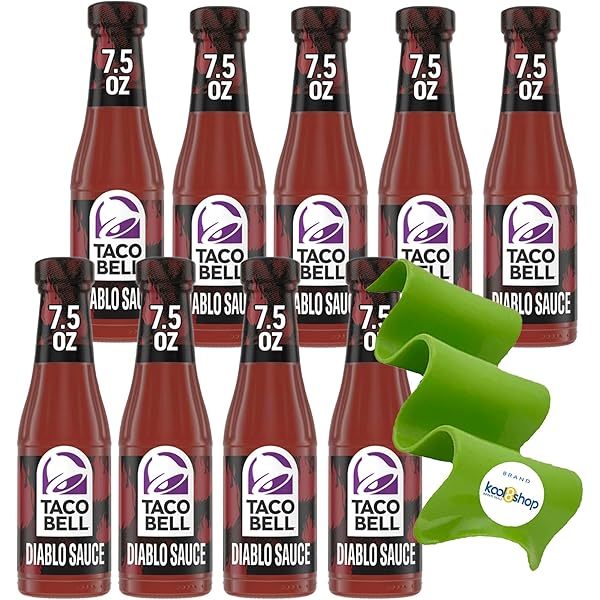
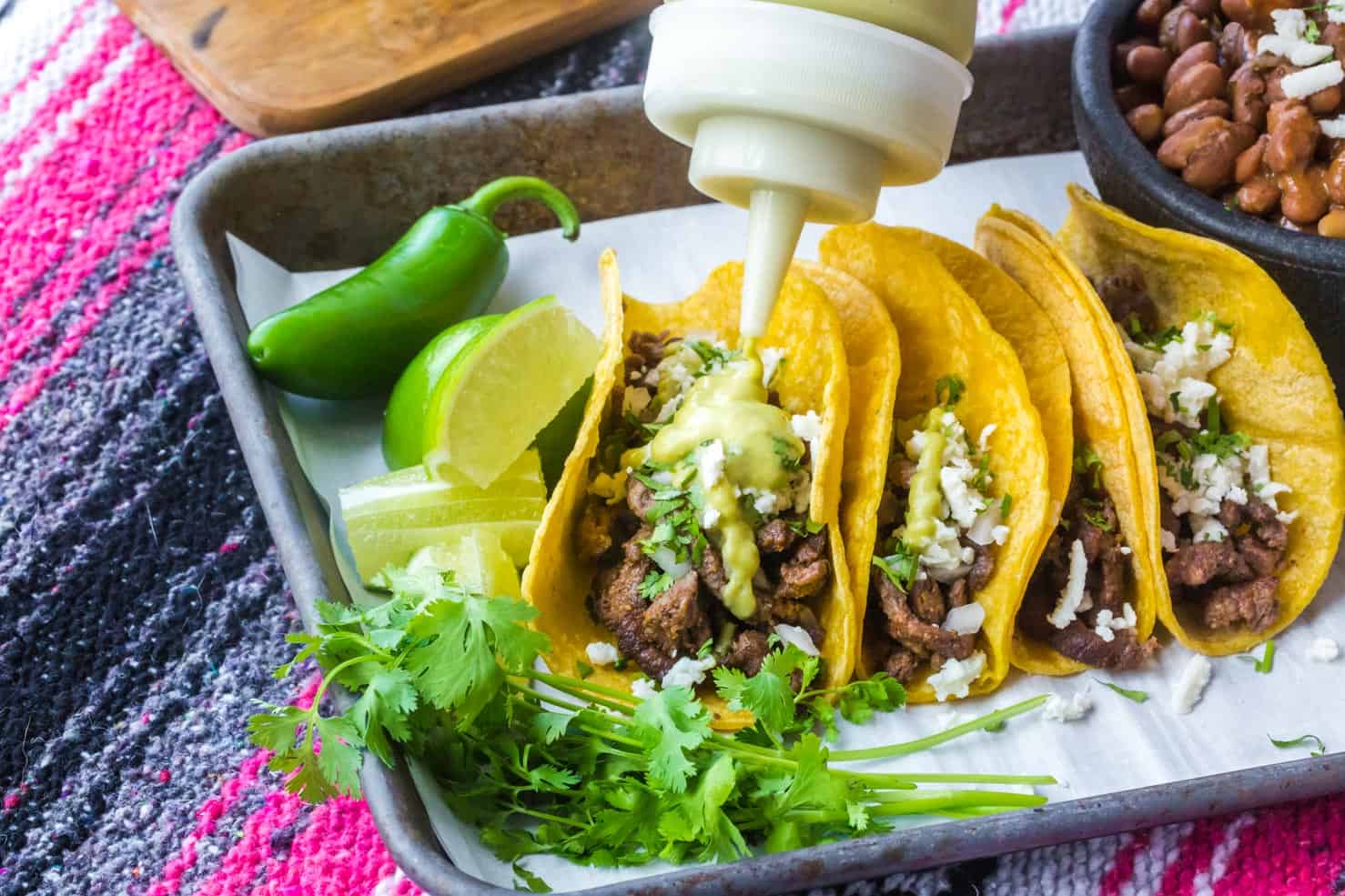
Classic red chile sauces
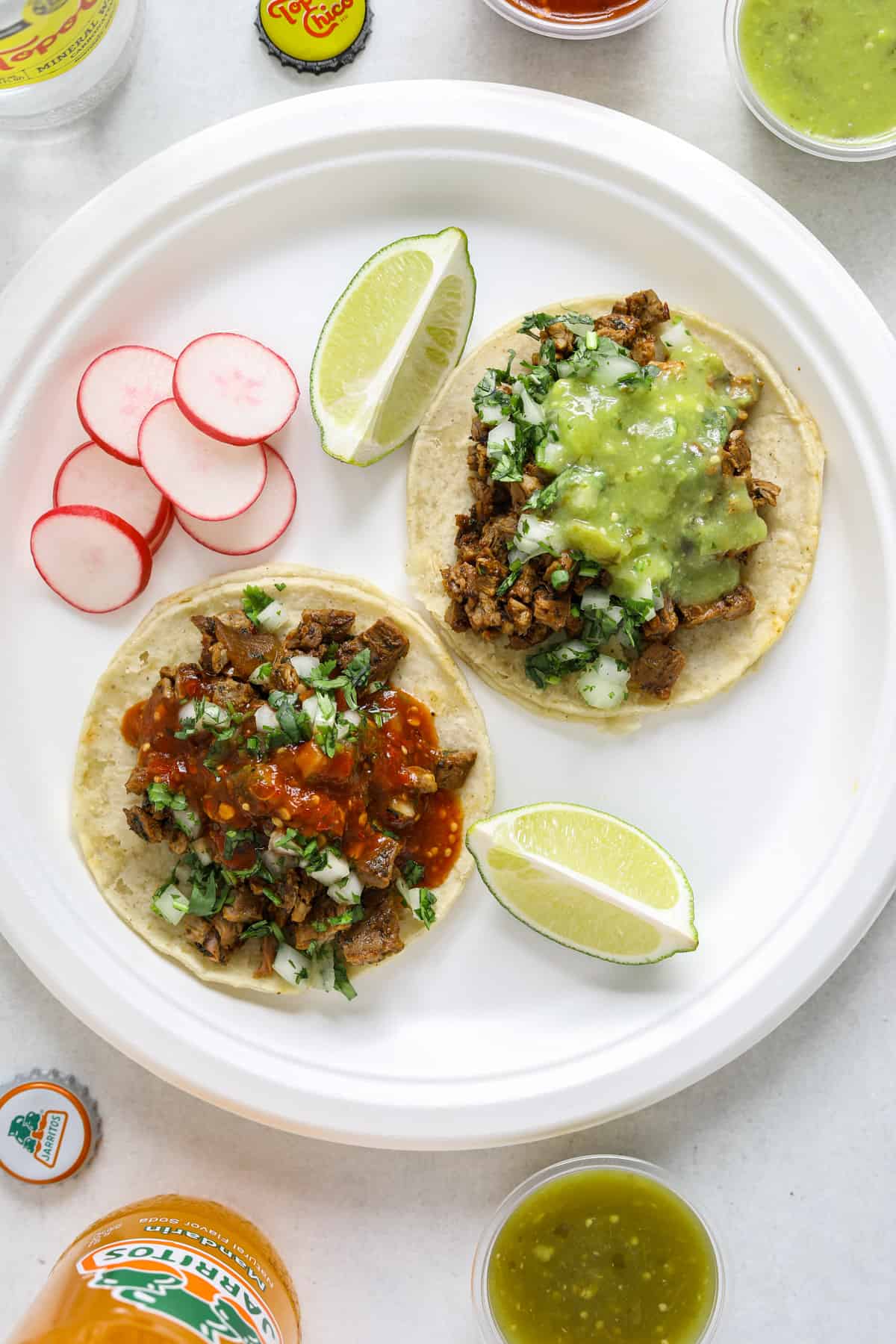
These are the backbone of taco culture.
Flavor profile:
-
Dried red chiles
-
Mild garlic and spice
-
Tangy but rounded
Best for:
-
Carne asada
-
Carnitas
-
Birria
-
Barbacoa
-
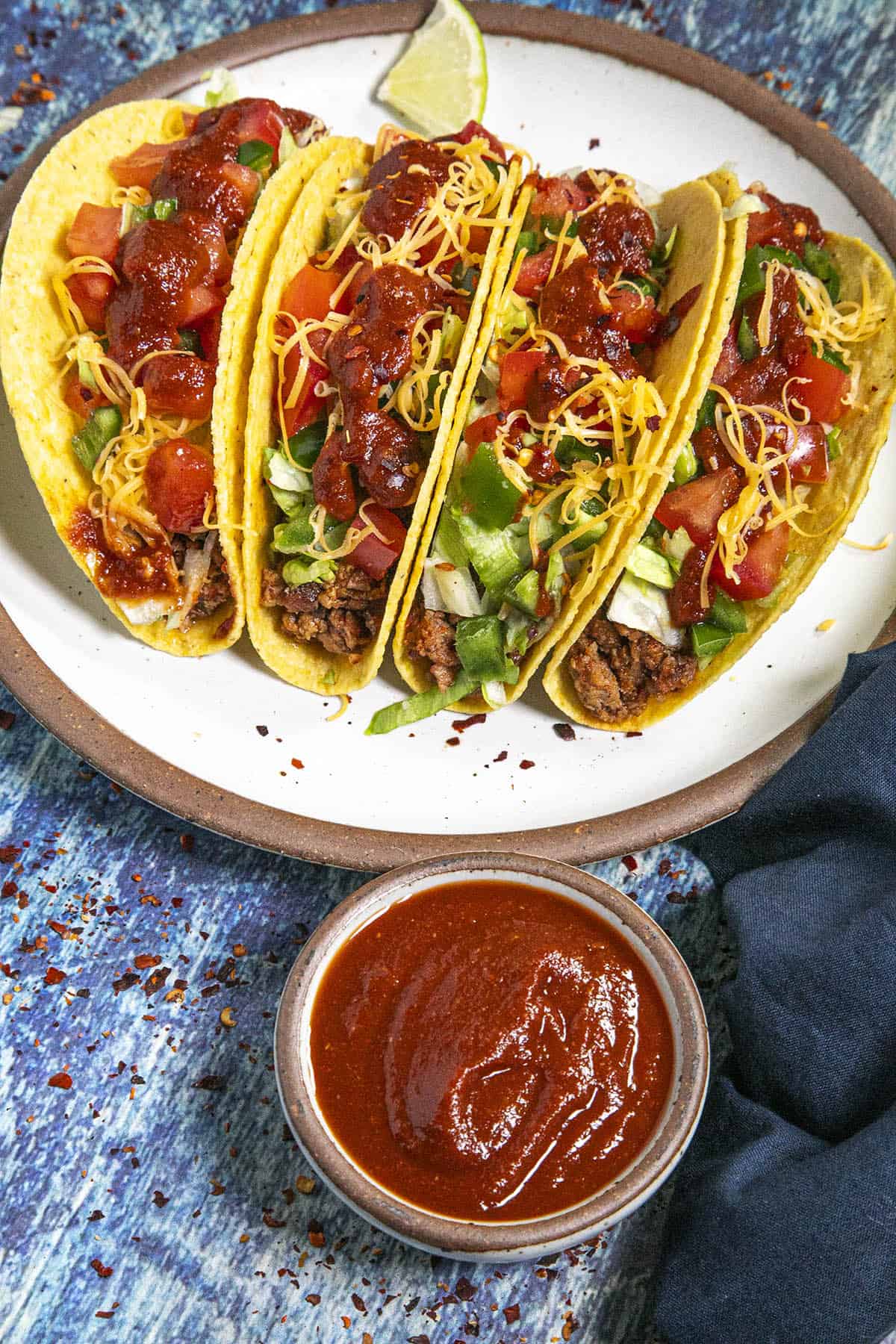
Ground beef tacos
Why they work:
Red chile sauces mirror the flavors already used in marinades and braises, so they feel “native” to the dish.
Green chile & verde-style sauces
Bright, fresh, and sharp — but still savory.
Flavor profile:
-
Green chiles or habanero
-
Citrus or mild vinegar
-
Fresh, grassy notes
Best for:
-
Chicken tacos
-
Fish tacos
-
Shrimp tacos
-
Cochinita pibil
-
Tacos with avocado or crema
Why they work:
Green sauces cut through richness and add lift without heaviness.
Earthy, spice-driven sauces
Less acidic, more depth.
Flavor profile:
-
Earthy dried chiles
-
Cumin, clove, or subtle spice notes
-
Savory warmth
Best for:
-
Al pastor
-
Chorizo
-
Mushroom or veggie tacos
-
Charred meats
Why they work:
Earthy sauces enhance char and fat instead of competing with them.
Best hot sauce styles for burritos
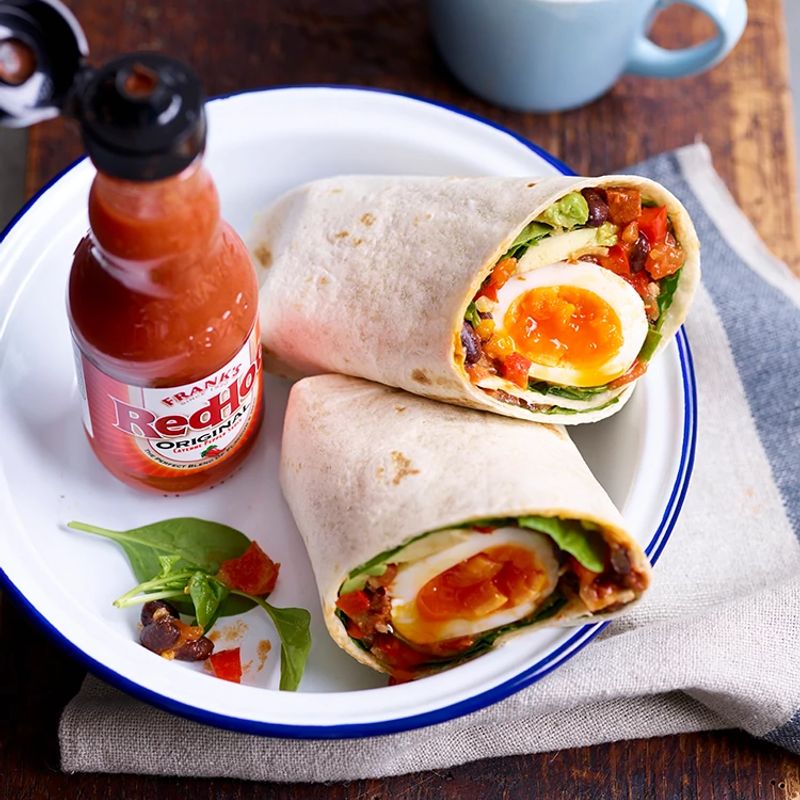
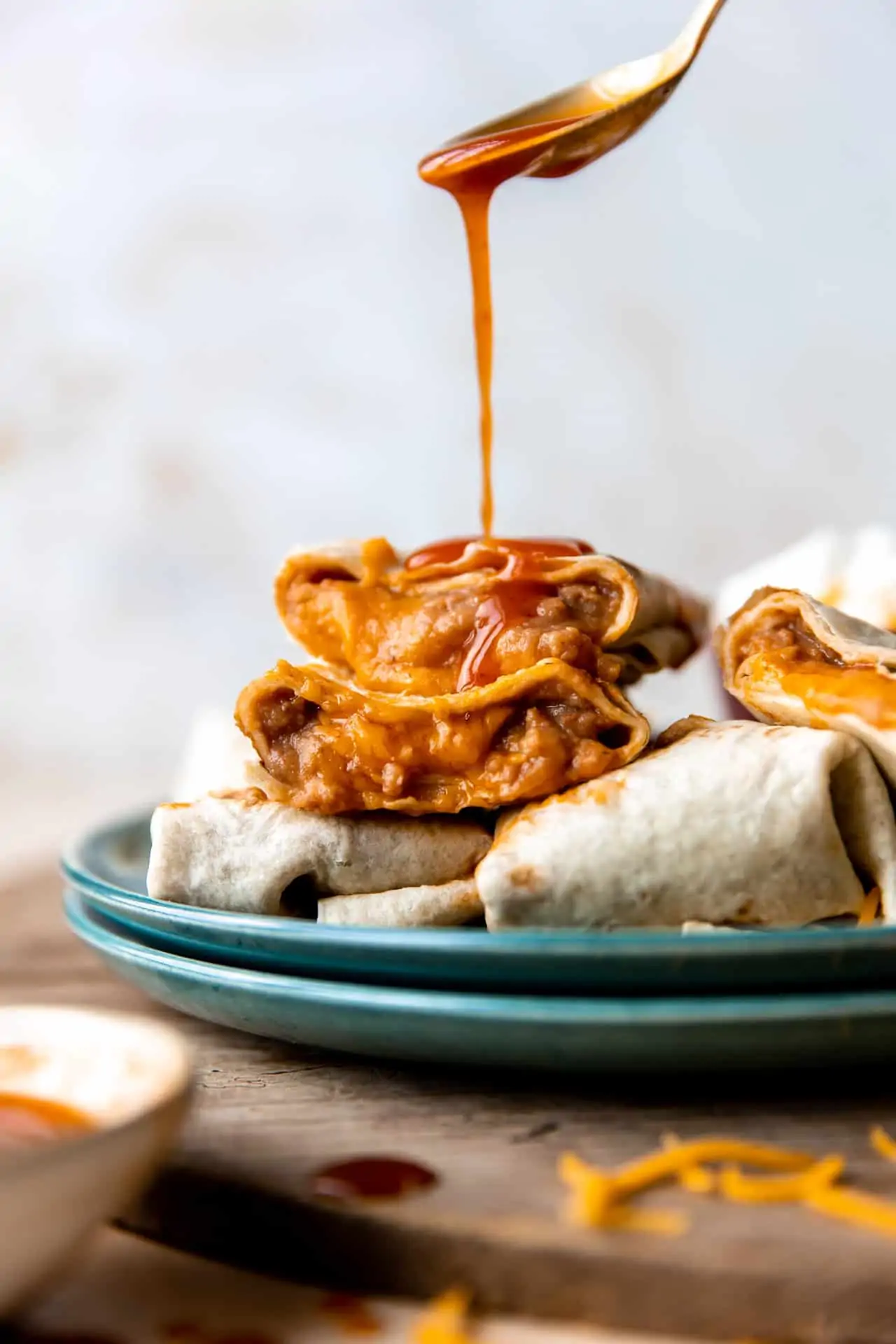
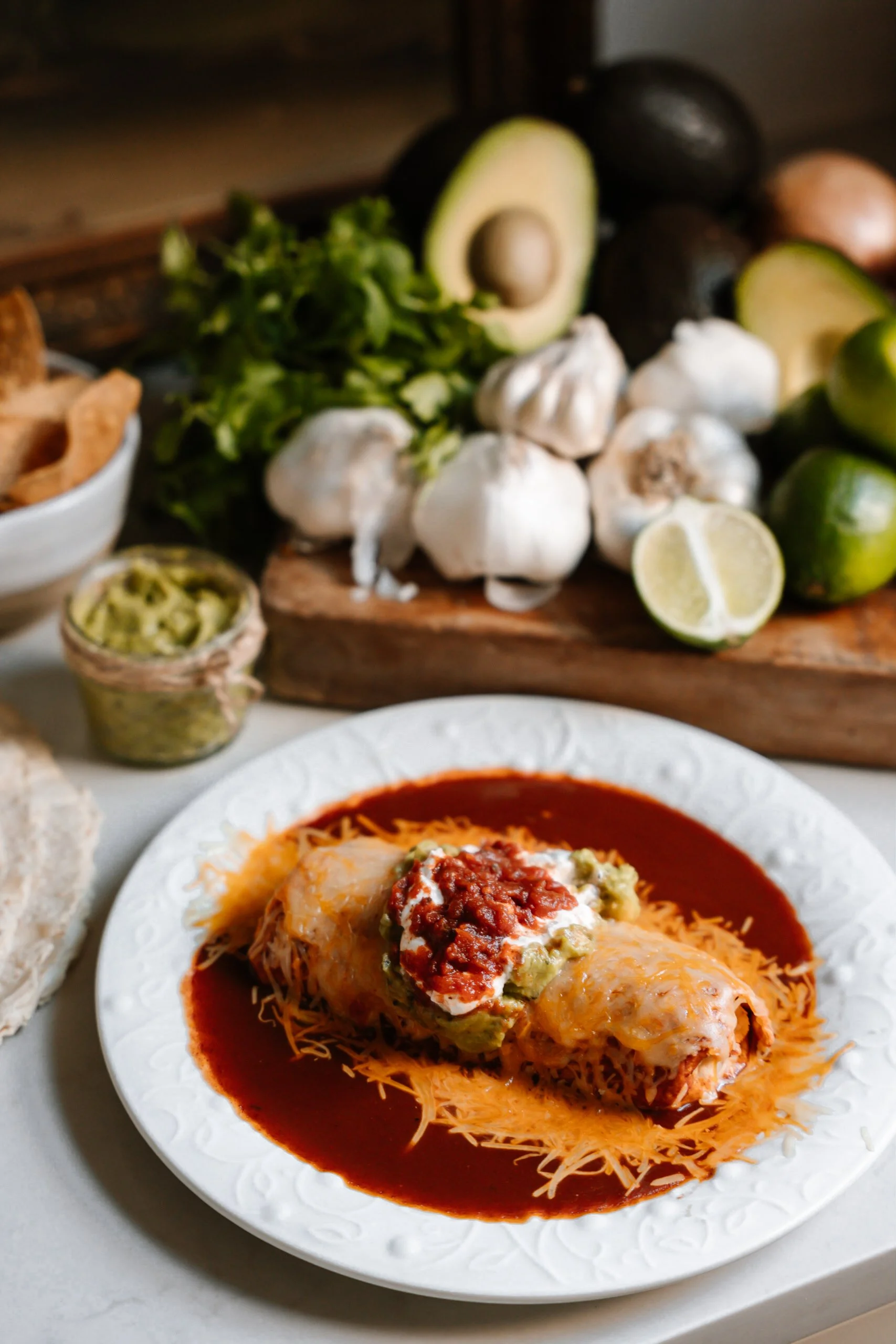
Burritos are different from tacos — more starch, more fat, more volume. They need sauces that hold up.
Red “taco sauce” style
These are thicker, smoother, and designed to be used generously.
Best for:
-
Bean & cheese burritos
-
Shredded beef burritos
-
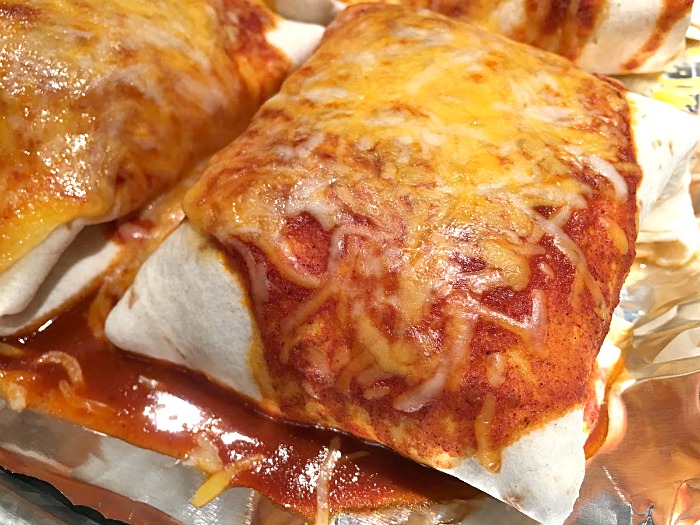
Smothered burritos
-
Enchiladas and taquitos
Why they work:
They soak into the burrito instead of running out the bottom.
Medium-heat everyday sauces
These are the sauces you can pour without regret.
Best for:
-
Breakfast burritos
-
Chicken burritos
-
Rice-heavy burritos
-
Late-night burritos
Why they work:
They add flavor without overwhelming eggs, potatoes, or beans.
Bright, high-heat sauces (used sparingly)
Heat lovers, this one’s for you.
Best for:
-
Burrito bowls
-
Carnitas burritos
-
Simple burritos with fewer toppings
Why they work:
Fat from rice, meat, and cheese softens heat — letting hotter sauces shine.
Best hot sauce pairings by protein
Carne asada
Go with:
-
Red chile sauces
-
Garlic-forward sauces
-
Earthy spice profiles
Avoid:
-
Super sweet sauces
-
Ultra-thin vinegar bombs
Carnitas
Perfect with:
-
Bright green sauces
-
Habanero-based sauces
-
Citrus-forward heat
The richness of pork loves acidity.
Chicken
Extremely versatile.
Works with:
-
Green chile sauces
-
Mild-to-medium red sauces
-
Slightly smoky sauces
Chicken is a blank canvas — almost everything works.
Fish & shrimp
Keep it light.
Best options:
-
Green sauces
-
Lime-forward heat
-
Mild to medium spice
Avoid heavy, smoky sauces that bury delicate flavors.
Beans, rice & veggie fillings
Go bold.
Best options:
-
Earthy sauces
-
Slightly thicker sauces
-
Medium heat with depth
Vegetarian fillings benefit from sauces with personality.
How to use hot sauce like a taqueria (not like a dare)
Layer it — don’t flood it
-
A few drops inside the taco or burrito
-
Another drizzle on top
-
Finish with lime if needed
This spreads flavor instead of concentrating burn.
Match heat to fat
The fattier the food, the more heat it can handle.
-
Carnitas + crema = hotter sauce OK
-
Plain chicken taco = milder sauce shines
Don’t double up acidity
If your taco already has:
-
Pickled onions
-
Tomatillo salsa
-
Lime-heavy pico
Choose a less acidic hot sauce to avoid sour overload.
Common mistakes people make with hot sauce & Mexican food
❌ Using ultra-vinegary sauces meant for wings
❌ Treating hot sauce as a heat challenge
❌ Drowning tacos instead of seasoning them
❌ Ignoring texture (runny sauces ruin tacos fast)
Hot sauce should support the food — not steal the spotlight.
How to build the perfect Mexican food hot sauce lineup (3 bottles)
If you want full coverage without a cluttered fridge:
-
Classic red chile sauce – everyday tacos & burritos
-
Green or habanero-based sauce – chicken, pork, seafood
-
Earthy or smoky sauce – grilled meats & veggies
This trio handles 95% of Mexican meals.
Final thoughts: the “best” hot sauce depends on the food
There’s no single best hot sauce for all Mexican food — and that’s a good thing.
The magic happens when:
-
The sauce matches the protein
-
The heat level matches the fat
-
The acidity matches the toppings
When those align, hot sauce stops being a condiment and starts being part of the recipe.
Try our Hot Sauce Line


