


Not all peppers make great hot sauce. Some are too bitter, some are all heat with no flavor, and others completely disappear once blended with vinegar. The best peppers for hot sauce strike a balance between flavor, heat, aroma, and versatility.
In this guide, we rank the best peppers for hot sauce based on flavor first, heat second, so you know exactly which peppers work — and why.
How We Ranked These Peppers
Each pepper is ranked using four real-world hot sauce criteria:
-
Flavor complexity (fresh, fruity, smoky, or sweet)
-
Heat level (Scoville Heat Units)
-
How well it blends with vinegar, fruit, garlic, and fermentation
-
Versatility across different hot sauce styles
🌶️ The Best Peppers for Hot Sauce (Ranked)

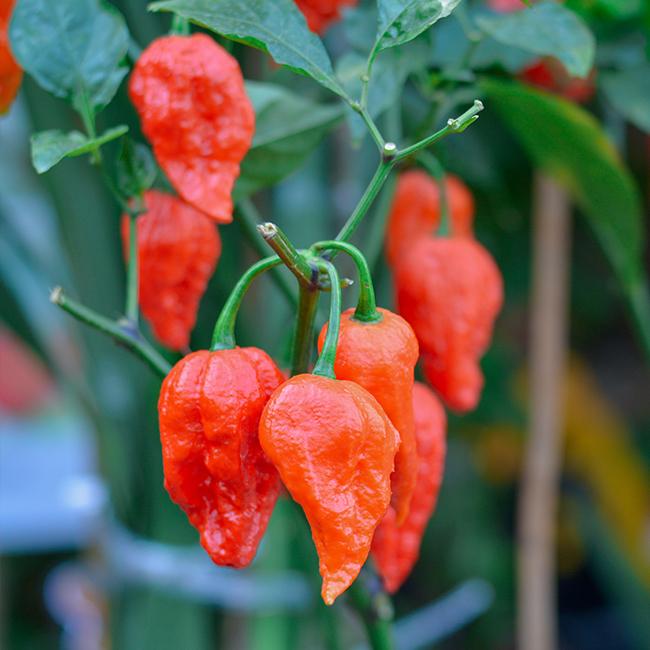
1️⃣ Habanero — Best Overall Pepper for Hot Sauce
Scoville Heat Units: 100,000–350,000 SHU
Habanero is widely considered the gold standard for hot sauce.
Why it ranks #1:
-
Bright, fruity, citrus-like flavor
-
Strong aroma that survives cooking and fermentation
-
Excellent heat-to-flavor ratio
-
Blends beautifully with mango, pineapple, carrot, and garlic
🔥 Best for: Everyday hot sauces, fruit-based sauces, craft blends
✅ Flavor-forward and spicy without being overwhelming
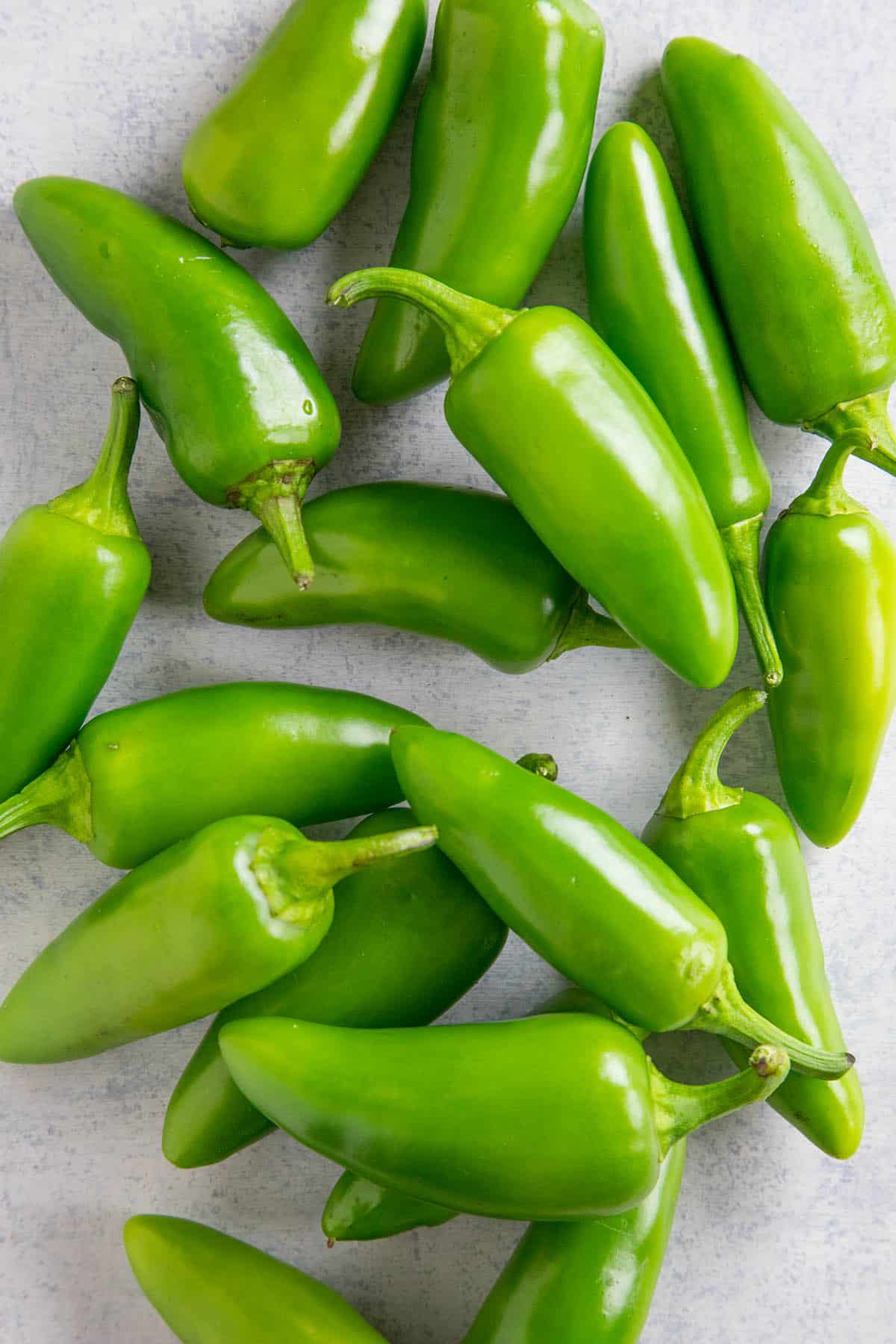
2️⃣ Jalapeño — Best Mild Pepper for Hot Sauce
Scoville Heat Units: 2,500–8,000 SHU
Jalapeño is the most approachable pepper for hot sauce beginners.
Why it works:
-
Fresh, green, vegetal flavor
-
Extremely versatile
-
Mild enough for daily use
-
Great base for blended sauces
🔥 Best for: Mild sauces, breakfast sauces, green hot sauce
✅ Ideal for mass appeal and frequent use
3️⃣ Scotch Bonnet — Sweet, Tropical & Underrated
Scoville Heat Units: 100,000–350,000 SHU
Closely related to habanero, Scotch bonnet peppers shine in Caribbean-style sauces.
Why hot sauce makers love it:
-
Sweeter than habanero
-
Tropical fruit notes
-
Strong aroma
-
Excellent for fermentation
🔥 Best for: Caribbean hot sauce, jerk-inspired blends
✅ Incredible flavor with real heat
4️⃣ Serrano — Clean Heat with Great Balance
Scoville Heat Units: 10,000–23,000 SHU
Serranos are hotter than jalapeños but still very manageable.
Why it earns its spot:
-
Clean, crisp pepper flavor
-
Minimal bitterness
-
Works well raw or cooked
-
Excellent for green sauces
🔥 Best for: Verde sauces, fresh salsas, taco sauces
✅ More kick than jalapeño, still very versatile
5️⃣ Ghost Pepper (Bhut Jolokia) — Extreme Heat with Flavor
Scoville Heat Units: ~1,000,000 SHU
Ghost pepper is where sauces cross into serious heat territory.
Why it still works:
-
Smoky, earthy flavor
-
Strong pepper presence
-
Cleaner heat than extracts
-
Great in small amounts
🔥 Best for: Extra-hot sauces, blends, heat-forward recipes
⚠️ Use sparingly — flavor drops if overused
6️⃣ Carolina Reaper — Best for Extreme Heat Lovers
Scoville Heat Units: 1,600,000–2,200,000+ SHU
The hottest widely known pepper in the world.
Why it’s tricky:
-
Surprisingly fruity
-
Extremely slow-building heat
-
Can overpower flavor easily
🔥 Best for: Super-hot sauces, limited releases
⚠️ Best used as an accent pepper, not a base
7️⃣ Cayenne — Reliable, Classic & Consistent
Scoville Heat Units: 30,000–50,000 SHU
Cayenne peppers are the backbone of many classic hot sauces.
Why they still matter:
-
Neutral, straightforward heat
-
Consistent pepper size
-
Easy to ferment
-
Great for vinegar-forward sauces
🔥 Best for: Louisiana-style hot sauce
✅ Simple, dependable, scalable
Best Peppers by Hot Sauce Style
🔥 Best Mild Hot Sauce Peppers
-
Jalapeño
-
Serrano
🌶️ Best Flavor-Forward Peppers
-
Habanero
-
Scotch bonnet
🔥 Best Extra-Hot Peppers
-
Ghost pepper
-
Carolina Reaper
🧪 Best for Fermented Hot Sauce
-
Habanero
-
Scotch bonnet
-
Cayenne
Should You Mix Peppers in Hot Sauce?
Absolutely — many of the best hot sauces use multiple peppers.
Smart Pepper Pairings:
-
Jalapeño + habanero (flavor + heat)
-
Habanero + ghost pepper (bold + extreme)
-
Cayenne + habanero (classic + fruity)
-
Serrano + jalapeño (fresh green sauces)
Blending peppers gives depth without sacrificing balance.
Frequently Asked Questions (FAQ)
What is the best pepper for homemade hot sauce?
Habanero is the easiest and most flavorful choice.
Which pepper makes hot sauce the hottest?
Carolina Reaper, but it’s best used sparingly.
Are hotter peppers better for hot sauce?
Not always — flavor matters more than raw heat.
Can you ferment all peppers?
Yes, but thin-walled peppers ferment faster and more evenly.
Final Thoughts
The best peppers for hot sauce aren’t just about heat — they’re about flavor that survives the process. Habanero remains the top choice for most sauces, jalapeño dominates the mild category, and ghost pepper and Carolina Reaper shine when used with restraint.
Whether you’re making hot sauce at home or choosing the right bottle, understanding pepper selection makes all the difference 🌶️🔥


