


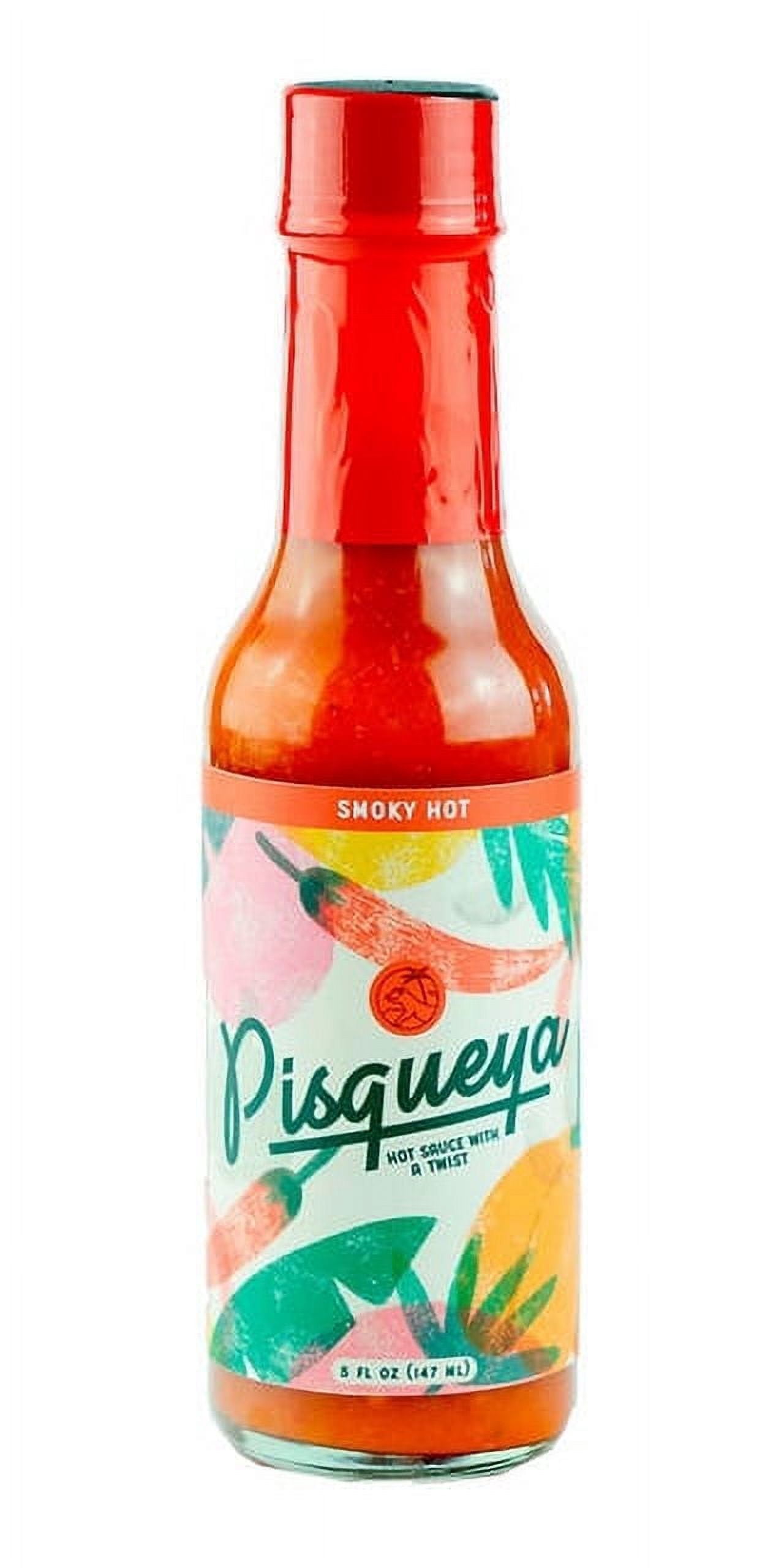
“Smoky” hot sauce isn’t just about adding smoke flavor — it’s about choosing peppers that carry smoke well. This is where most articles get it wrong. They list peppers by heat, toss in “chipotle,” and call it done.
In reality, not all peppers absorb smoke the same way. Some become bitter. Some flatten out. Others transform into deep, savory, crave-worthy sauces that taste intentional instead of gimmicky.
This guide fills the gaps other websites miss. You’ll learn:
-
Which peppers naturally amplify smoky flavors
-
Why some peppers turn bitter or harsh when smoked
-
The difference between fresh-smoked vs dried-smoked peppers
-
How smoke interacts with heat level, fermentation, and sauce thickness
-
A ranked list of the best peppers for smoky sauce by flavor outcome
This is the flavor-first, real-world guide to smoky hot sauce.
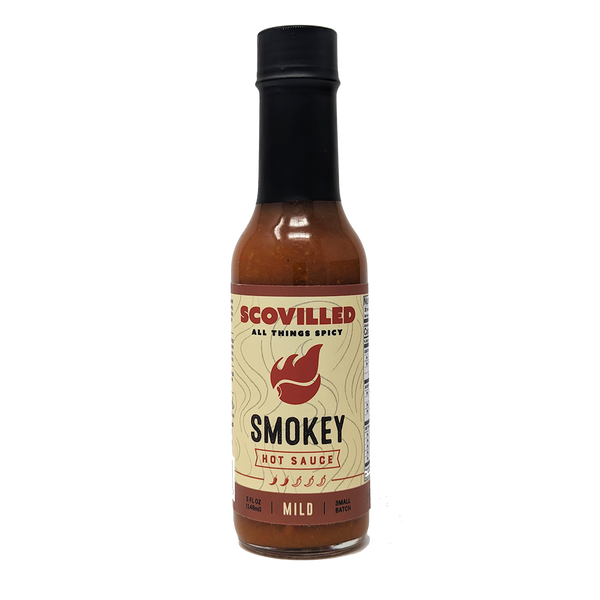
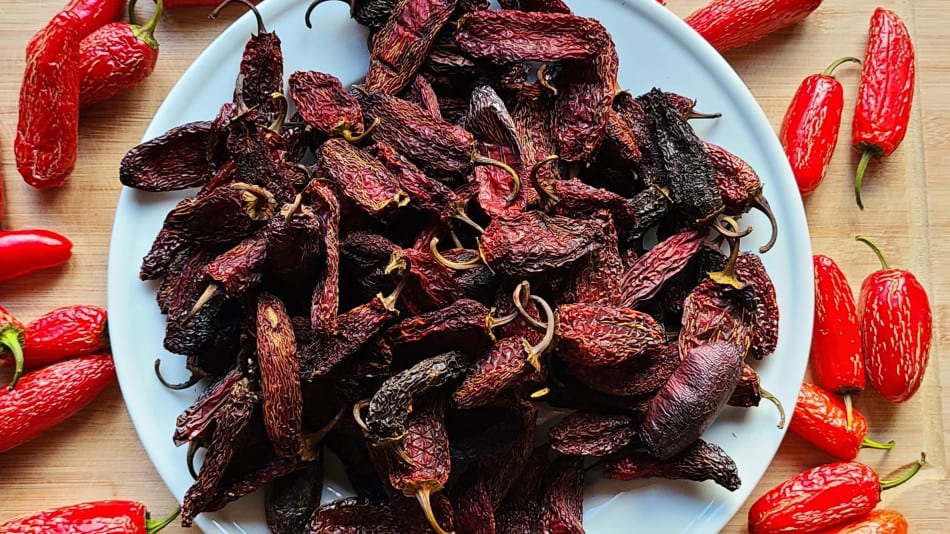
What Makes a Pepper Good for Smoky Sauce?
Smoke is powerful. The wrong pepper choice can overwhelm a sauce fast.
The best peppers for smoky hot sauce share these traits:
-
Natural sweetness (balances smoke bitterness)
-
Moderate thickness (absorbs smoke without drying out)
-
Low green bitterness
-
Compatibility with fermentation or vinegar
-
Flavor clarity at low percentages
🔥 Smoke should deepen a pepper’s flavor — not mask it.
The #1 Rule Most Guides Skip: Smoke Loves Sweetness
Smoke compounds are bitter by nature. Peppers with:
-
fruitiness
-
natural sugars
-
floral or earthy notes
handle smoke far better than sharp, grassy peppers.
That’s why smoky sauces that taste “ashy” usually start with the wrong pepper.
🔥 Best Peppers for Smoky Hot Sauce (Ranked by Flavor)
🥇 Chipotle (Smoked Jalapeño) — The Gold Standard


Heat: 2,500–8,000 SHU
Flavor: Sweet smoke, earthy, rich
Why It Works
Chipotle isn’t just smoked — it’s fully transformed. Jalapeños lose their grassy bite when ripened and smoked, becoming sweet and savory.
Best Uses
-
BBQ-style hot sauce
-
Taco sauces
-
Steak & burger sauces
-
Smoky breakfast sauces
🔥 Chipotle sets the benchmark for balanced smoke.
🥈 Ghost Pepper (Smoked or Lightly Smoked)
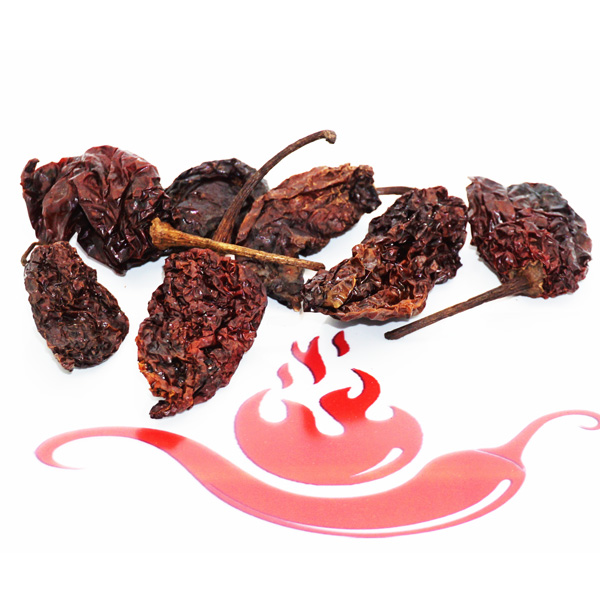

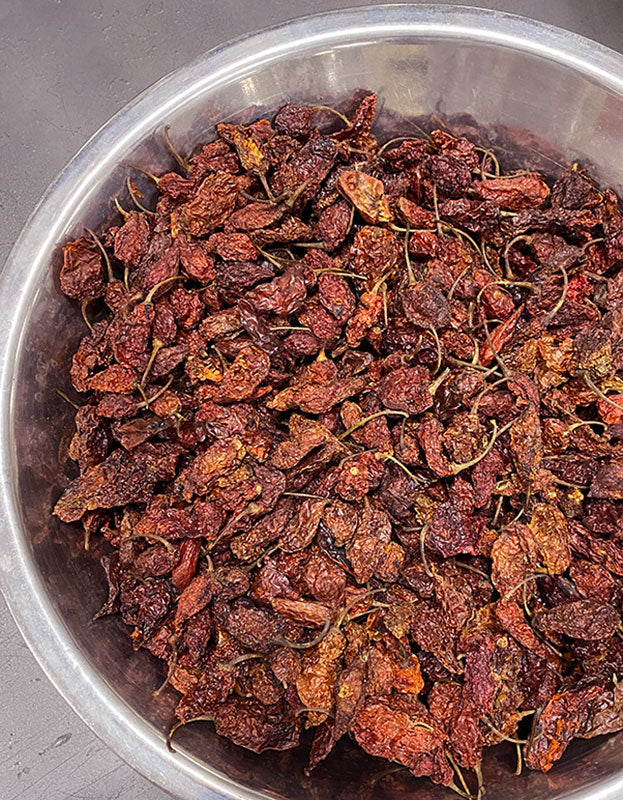
Heat: ~1,000,000 SHU
Flavor: Naturally smoky, earthy, slow burn
Why Ghost Pepper Is Underrated for Smoke
Ghost peppers already have smoky, earthy undertones. Smoking them enhances what’s already there instead of layering foreign flavor.
Best Uses
-
Smoky BBQ hot sauces
-
Dark, savory blends
-
Fermented smoky sauces
🔥 Use sparingly — ghost pepper is about depth, not volume.
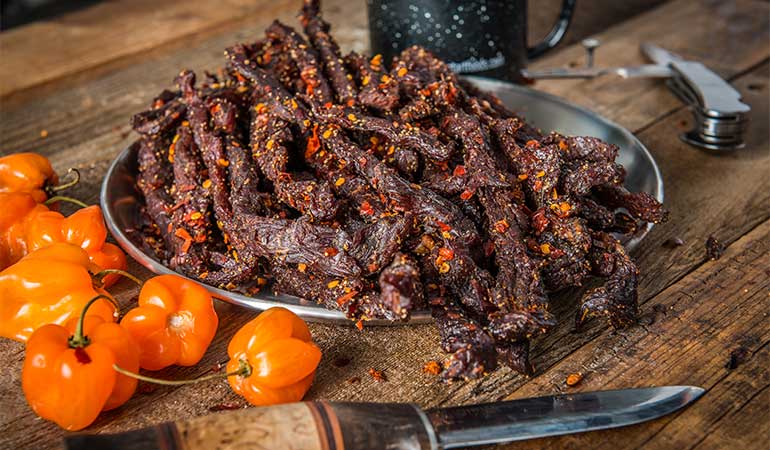
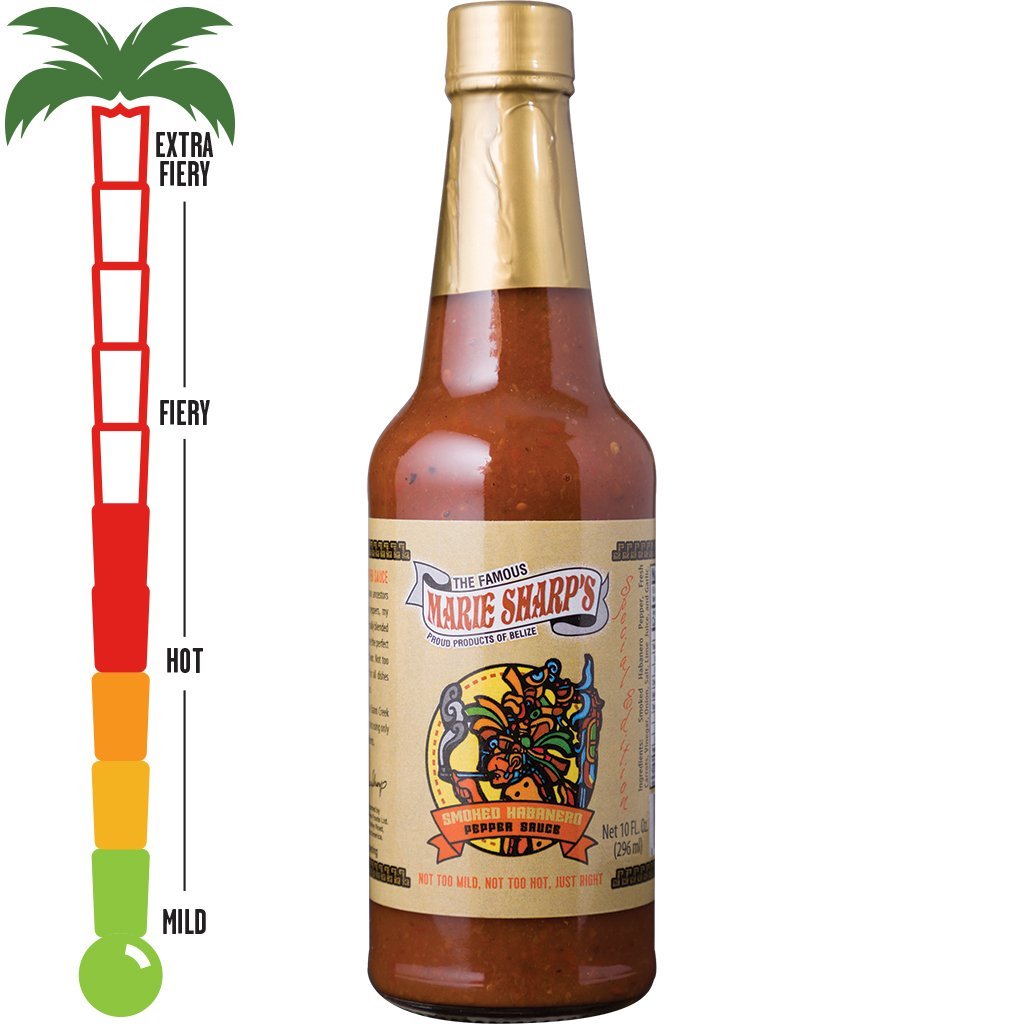
🥉 Habanero (Light Smoke Only)
Heat: 100,000–350,000 SHU
Flavor: Fruity, citrusy, floral
Why Habanero Works (With Care)
Habaneros bring natural fruit sweetness, which balances smoke beautifully — but only with light smoke. Heavy smoking overwhelms their aroma.
Best Uses
-
Smoky-fruity sauces
-
Mango habanero BBQ blends
-
Balanced everyday smoky sauce
🔥 Habanero is perfect for approachable smoky heat.
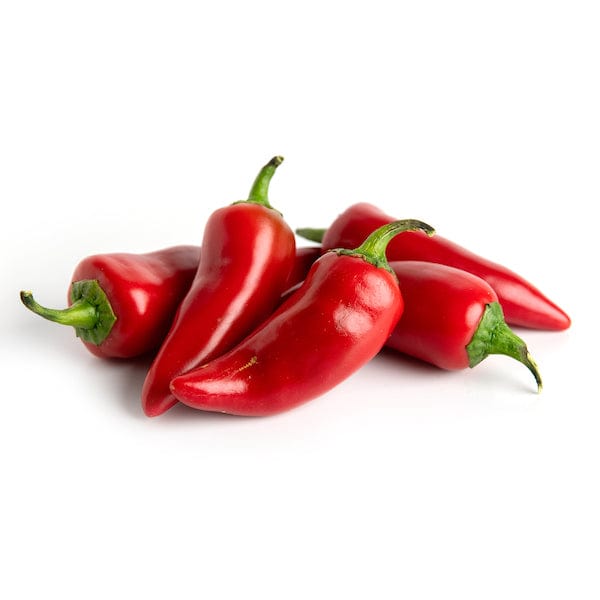
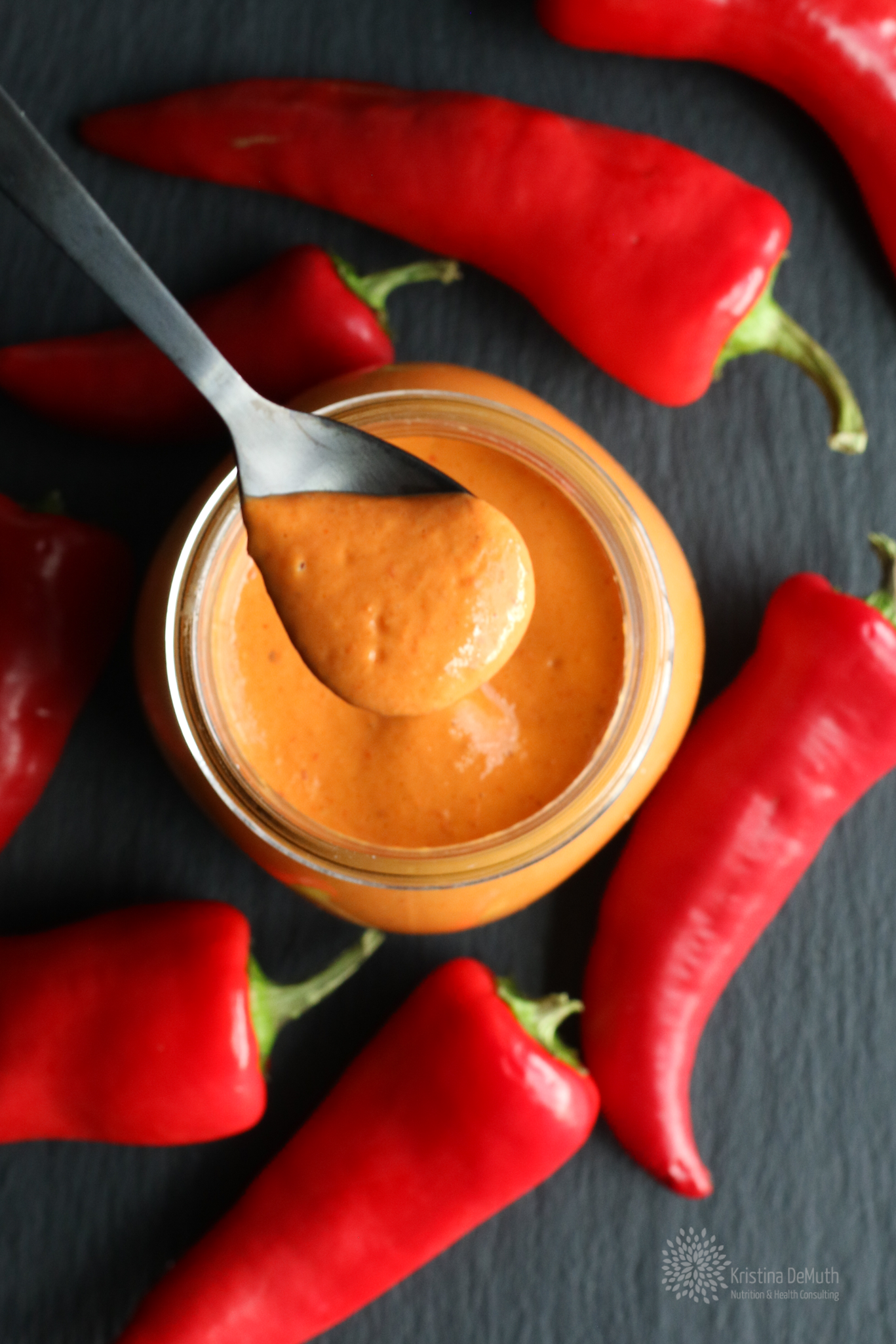
🌶️ Fresno Pepper — Bright Smoke Without Overpowering
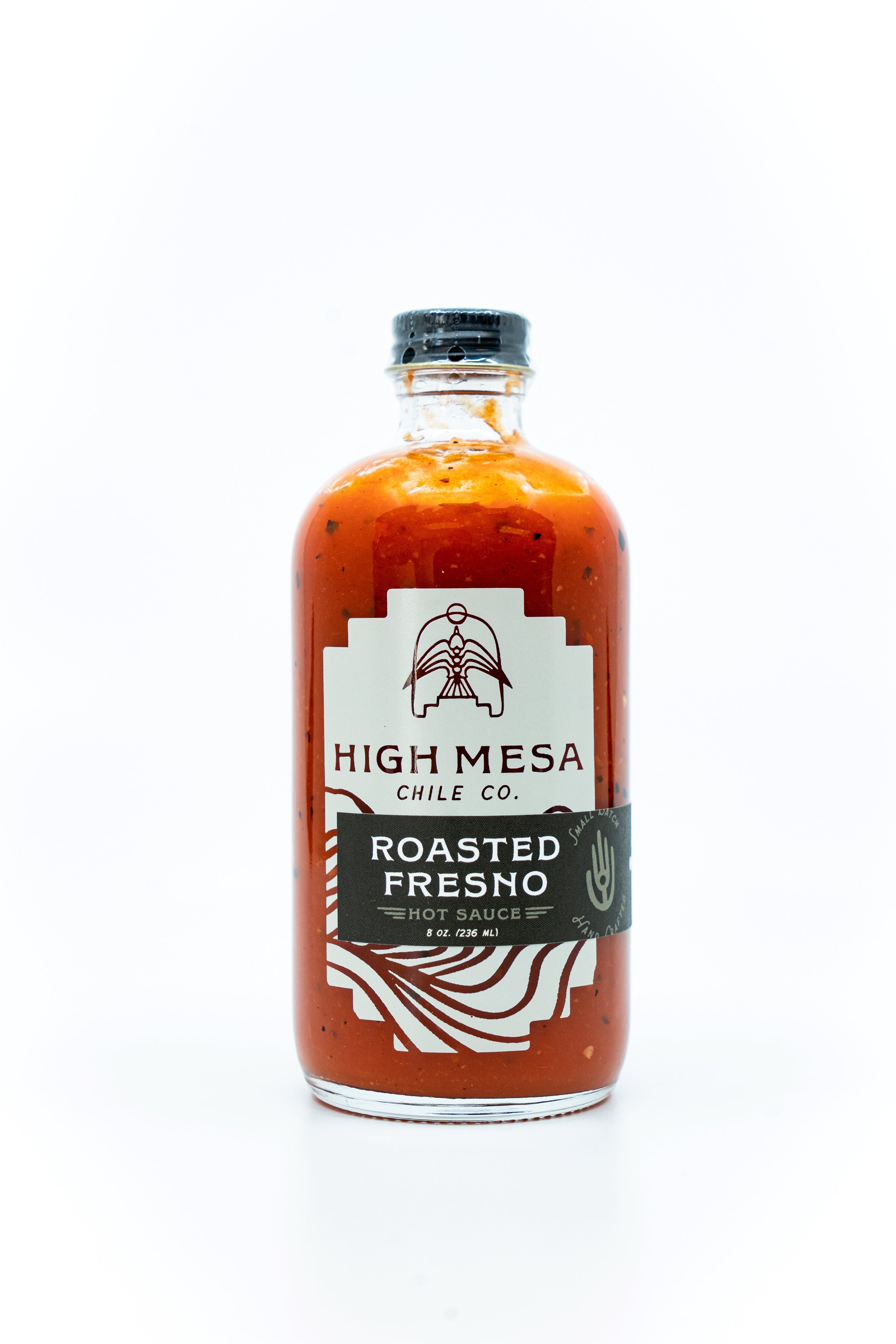
Heat: 2,500–10,000 SHU
Flavor: Bright, lightly sweet, clean
Why Fresno Is a Secret Weapon
Fresnos smoke well because they:
-
Stay bright
-
Don’t turn bitter
-
Keep acidity intact
They’re excellent when you want smoke without heaviness.
Best Uses
-
Smoked red sauces
-
Taco & pizza sauces
-
Fermented smoky blends
🌶️ Scotch Bonnet — Tropical Smoke (Advanced)
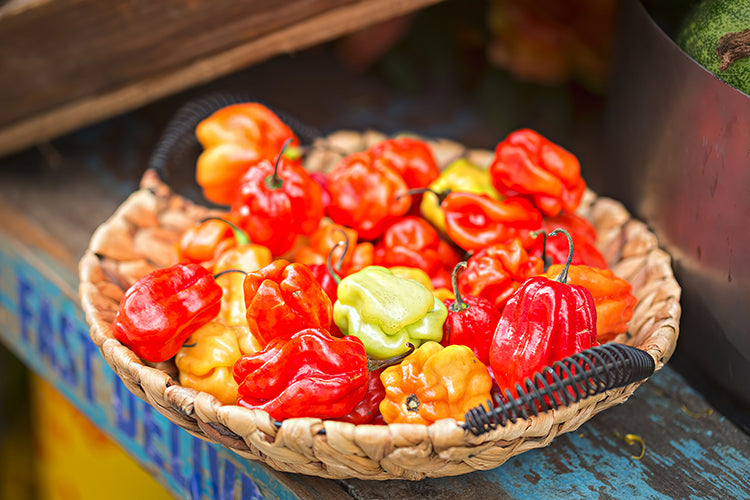
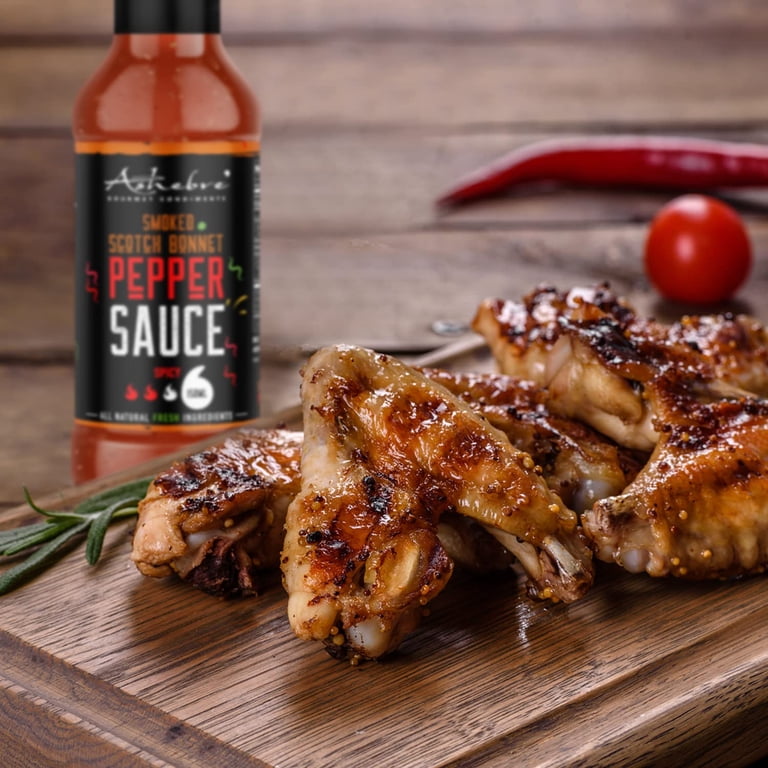
Heat: 100,000–350,000 SHU
Flavor: Sweet, tropical, floral
Why It’s Tricky but Powerful
Scotch bonnets can become perfume-like if oversmoked. When done right, they create tropical smoke unlike any other pepper.
Best Uses
-
Caribbean-style smoky sauces
-
Pineapple or mango blends
-
Jerk-inspired hot sauces
🔥 Smoke lightly or blend with non-smoked peppers.
🌶️ Cayenne — Classic, But Easy to Ruin
Heat: 30,000–50,000 SHU
Flavor: Neutral, earthy
When Cayenne Works
Cayenne is often used in smoked sauces because it’s neutral — but neutrality means it absorbs bitterness easily.
Best Uses
-
Blended smoky sauces
-
Thin vinegar sauces
-
Supporting heat, not star flavor
❌ Avoid smoking cayenne alone — blend it.
🚫 Peppers That Perform Poorly When Smoked
These peppers often turn harsh or flat:
-
Green bell peppers (bitter)
-
Serranos (sharp, grassy)
-
Very underripe jalapeños
-
Thin-walled super-hots smoked heavily
🔥 Smoke magnifies flaws.
Fresh-Smoked vs Dried-Smoked Peppers (Huge Difference)
Fresh-Smoked
-
Brighter flavor
-
More moisture
-
Better for fermentation
-
Cleaner smoke integration
Dried-Smoked
-
Deeper, darker flavor
-
More intense smoke
-
Less control
-
Easier to overpower
👉 For sauce makers, fresh-smoked peppers are almost always superior.
Smoking + Fermentation: The Pro-Level Move
Most guides don’t mention this.
Lightly smoking peppers before fermentation:
-
Locks smoke into the mash
-
Softens bitterness
-
Creates umami depth
-
Smooths heat delivery
🔥 This is how premium smoky sauces are made.
Best Peppers for Smoky Sauce by Outcome
| Goal | Best Peppers |
|---|---|
| BBQ & meat sauces | Chipotle, Ghost |
| Smoky but mild | Fresno, Jalapeño |
| Smoky-fruity | Habanero, Scotch bonnet |
| Fermented smoky | Habanero, Ghost |
| Thin smoky vinegar | Cayenne + chipotle |
Common Mistakes That Ruin Smoky Sauce
❌ Over-smoking
❌ Using bitter peppers
❌ Ignoring sweetness balance
❌ Smoking everything instead of part of the blend
❌ Adding liquid smoke instead of real smoke
🔥 Smoke should feel intentional, not aggressive.
Frequently Asked Questions (FAQ)
What is the smokiest pepper naturally?
Chipotle (smoked jalapeño) and ghost pepper.
Can you make smoky sauce without smoking peppers?
Yes, but it’s rarely as good. Real smoke matters.
Is liquid smoke a good substitute?
Not for premium sauce — it tastes artificial quickly.
Should smoky sauces be thick or thin?
Thicker sauces carry smoke better.
Final Thoughts: Smoke Is a Flavor, Not a Gimmick
The best peppers for smoky hot sauce aren’t just hot — they’re sweet, balanced, and smoke-compatible. When you choose peppers that welcome smoke instead of fighting it, the result is depth, richness, and repeat-worthy flavor.
Smoke should whisper, not shout 🌫️🌶️🔥
Try our Hot Sauce Line


