


Tropical sauces live at the intersection of fruit-forward sweetness, bright acidity, and balanced heat. Whether you’re crafting a mango-habanero hot sauce, a pineapple chili glaze, or a Caribbean-style table sauce, pepper choice matters more than anything else.
Most blogs list peppers by Scoville Heat Units (SHU) and stop there. That’s not enough.
This guide goes deeper—covering flavor chemistry, fruit pairing logic, fermentation performance, and real-world sauce outcomes—so you can confidently choose the best peppers for tropical sauce, not just the hottest ones.
What Makes a Pepper “Tropical-Friendly”?
Not every chili works in a tropical sauce. The best ones share four key traits:
1. Natural Fruity Esters
Some peppers naturally produce aromatic compounds that smell like mango, citrus, or stone fruit. These amplify tropical ingredients instead of fighting them.
2. Rounded Heat (Not Sharp Burn)
Tropical sauces should feel warm and lingering, not harsh or metallic. Smooth heat keeps the sauce approachable.
3. Low Bitterness When Blended
Green or overly grassy peppers can ruin fruit sauces. The best tropical peppers stay clean when pureed.
4. Fermentation Compatibility
If you ferment your sauce, certain peppers retain fruitiness while others lose it entirely.
Top Peppers for Tropical Sauces (Ranked by Flavor Compatibility)
🌶️ 1. Habanero (The Gold Standard)

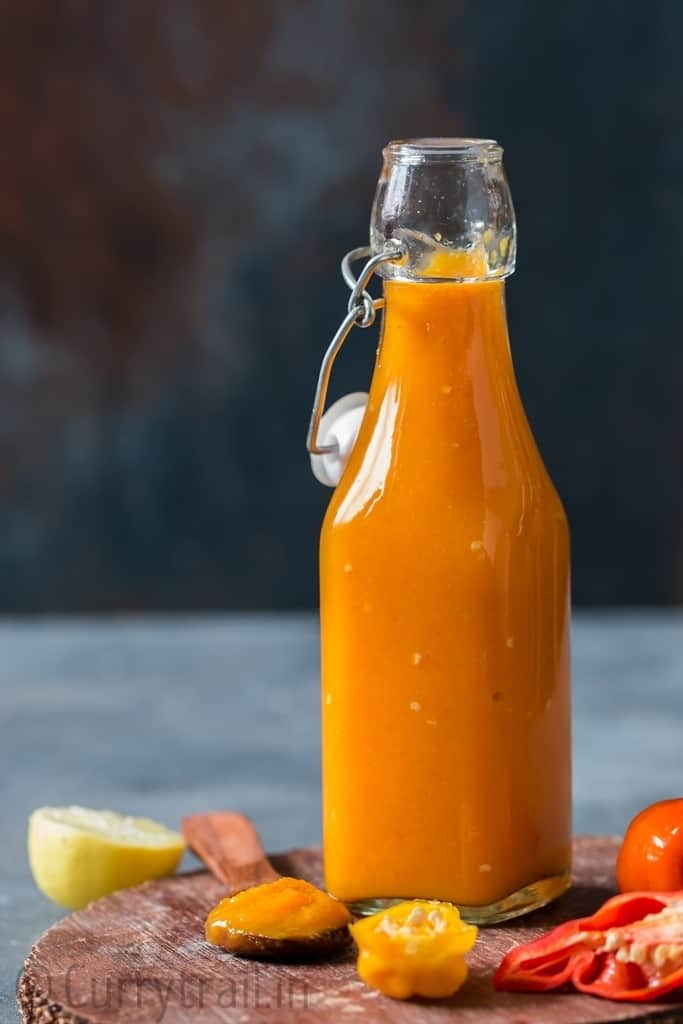

Heat: 100,000–350,000 SHU
Flavor: Apricot, mango, citrus
Why it’s perfect:
Habaneros are the backbone of tropical hot sauces for a reason—they already taste tropical.
Best pairings
-
Mango
-
Pineapple
-
Papaya
-
Orange
-
Passionfruit
Why it works
-
Naturally fruity aroma
-
Bright but smooth heat
-
Ferments beautifully
-
Keeps color vibrant
Pro tip: Orange habaneros are fruitier than red. Chocolate habaneros are smokier—use carefully.
🌶️ 2. Scotch Bonnet (Caribbean Classic)
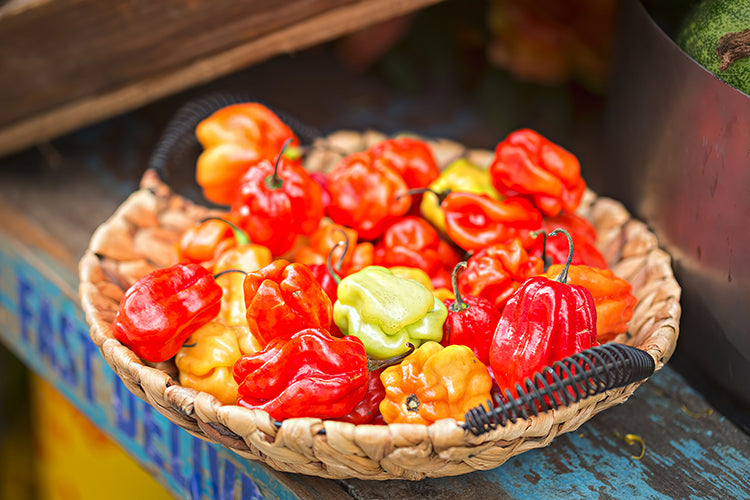


Heat: 100,000–350,000 SHU
Flavor: Sweet, tropical, slightly floral
Why it’s perfect:
Scotch bonnets are cousins to habaneros but lean sweeter and more aromatic.
Best pairings
-
Pineapple
-
Coconut
-
Lime
-
Banana
-
Guava
Why it works
-
Signature Caribbean flavor
-
Less sharp than habanero
-
Exceptional in vinegar-based sauces
Pro tip: If you want an authentic island-style sauce, this is your pepper.
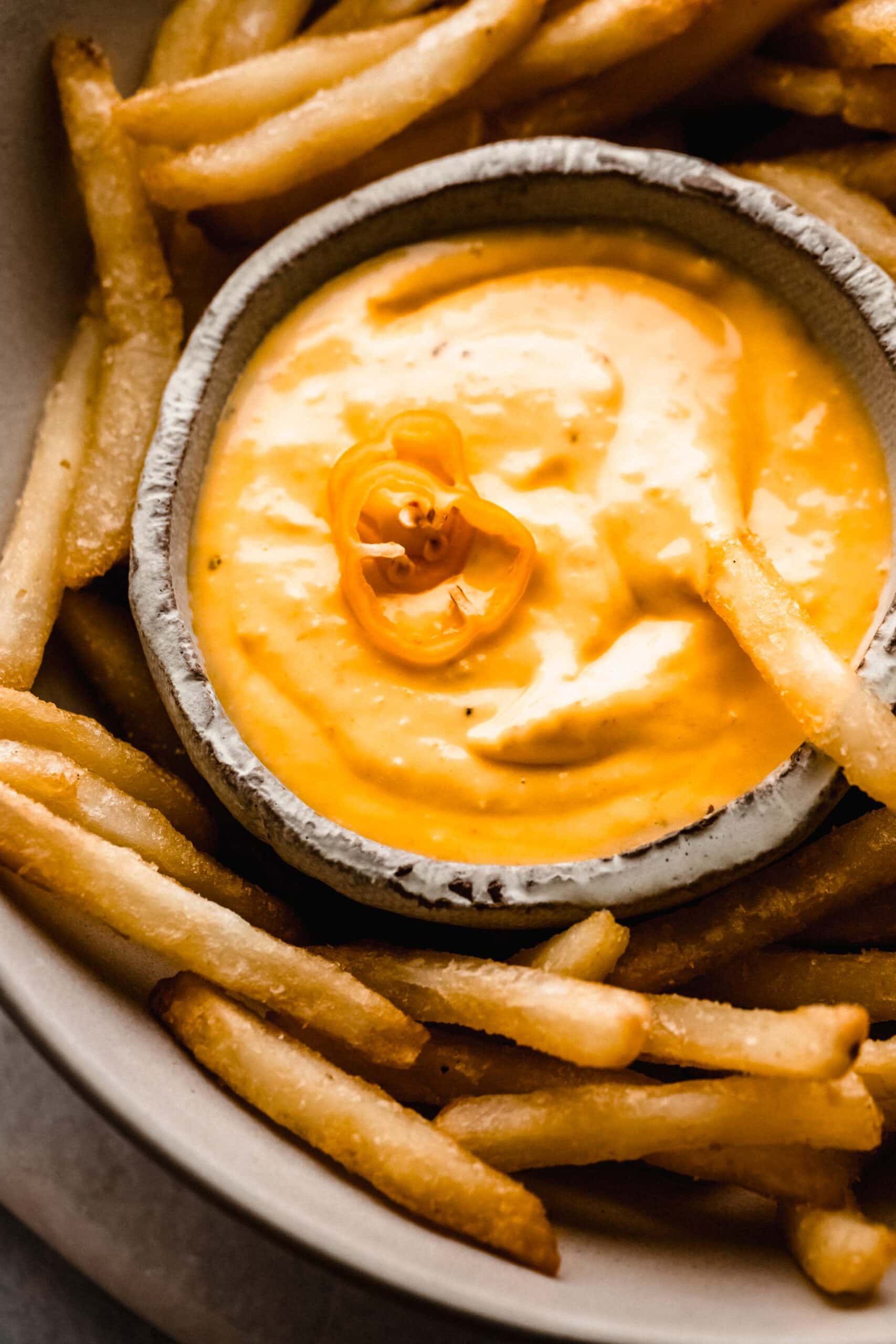
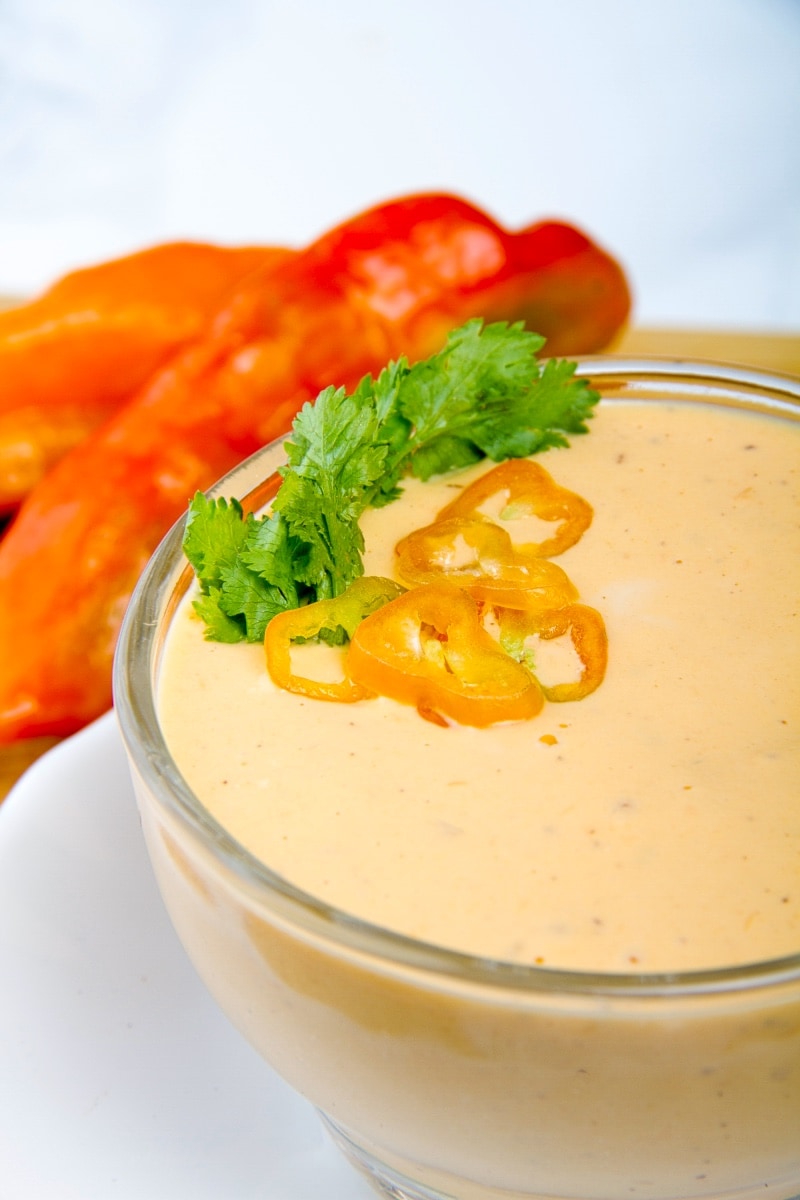
🌶️ 3. Aji Amarillo (Underrated Tropical Star)
Heat: 30,000–50,000 SHU
Flavor: Mango, passionfruit, citrus
Why it’s perfect:
Aji amarillo is built for fruit sauces—bright, sunny, and incredibly smooth.
Best pairings
-
Mango
-
Pineapple
-
Orange
-
Lemon
-
Peach
Why it works
-
Lower heat = wider appeal
-
Naturally creamy mouthfeel
-
Doesn’t overpower fruit
Pro tip: Ideal for tropical sauces meant for everyday use, not just heat seekers.
🌶️ 4. Aji Pineapple / Aji Fantasy
Heat: 20,000–50,000 SHU
Flavor: Candy-like, citrusy, sweet
Why it’s perfect:
These peppers taste like they were designed in a lab for tropical sauces.
Best pairings
-
Pineapple
-
Strawberry
-
Mango
-
Lychee
Why it works
-
Minimal bitterness
-
Bright yellow color
-
Incredible fresh aroma
Pro tip: Use in fresh (non-fermented) sauces for maximum fruit expression.
🌶️ 5. Fatalii (For Heat-Lovers Who Want Tropical Flavor)
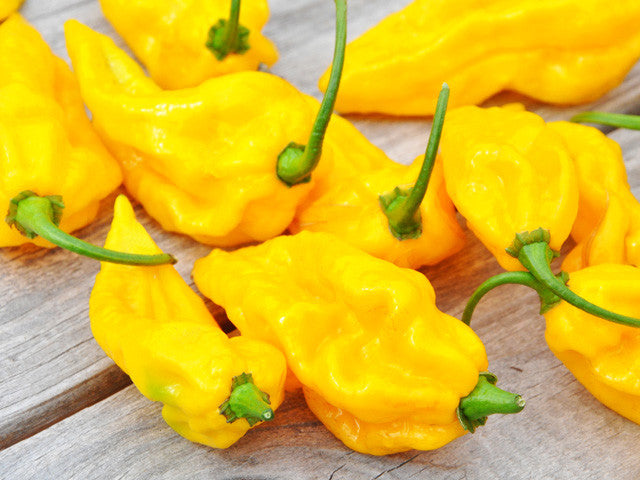

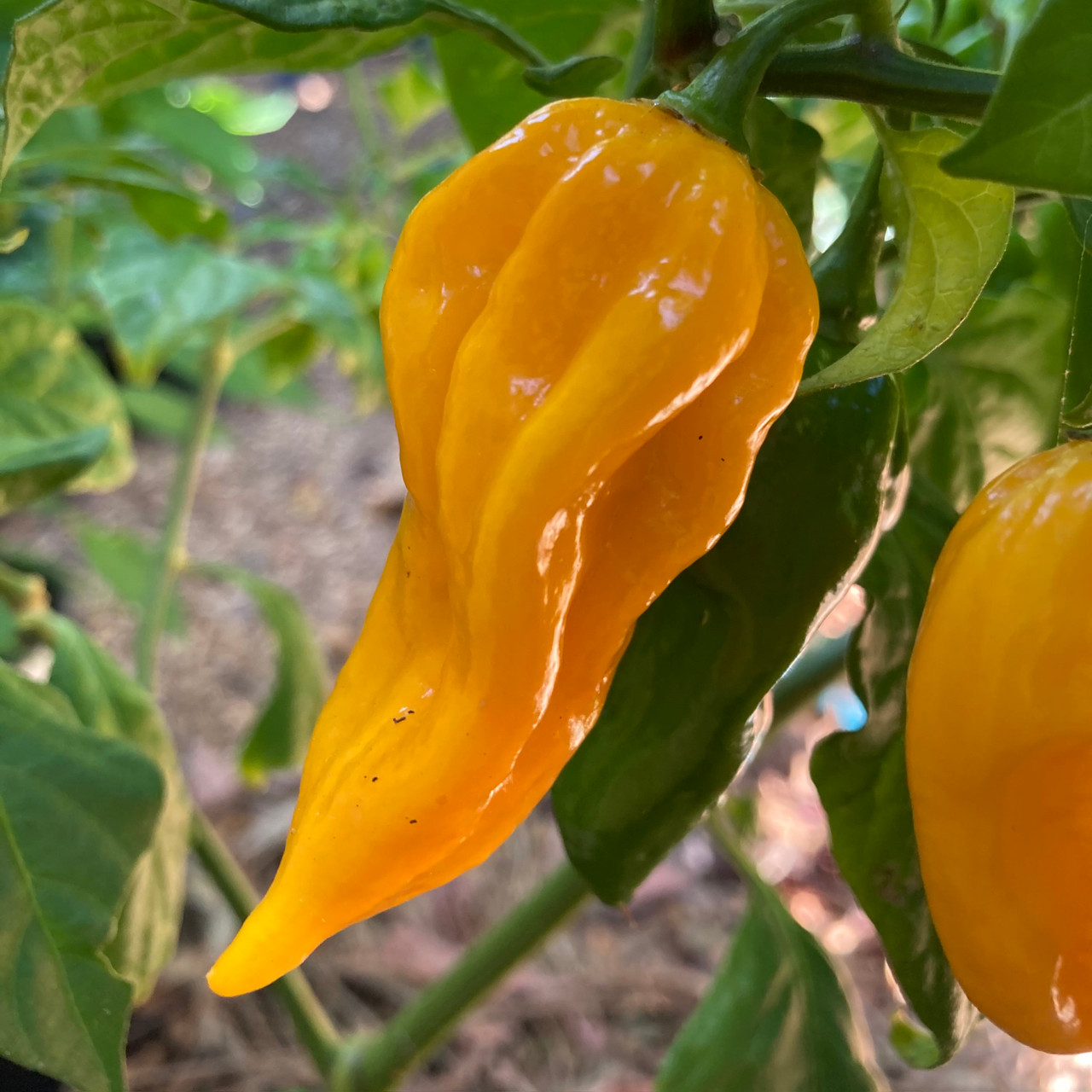
Heat: 125,000–400,000 SHU
Flavor: Lemon, citrus peel, tropical
Why it’s perfect:
Fatalii brings aggressive citrus heat without sacrificing fruitiness.
Best pairings
-
Pineapple
-
Lemon
-
Passionfruit
-
Orange
Why it works
-
Extremely aromatic
-
Sharp citrus brightness
-
Strong yellow color
Pro tip: Blend with mango or pineapple to soften the punch.
🌶️ 6. Ghost Pepper (Use Sparingly)
Heat: 800,000–1,000,000 SHU
Flavor: Sweet at first, then intense heat
Why it’s tricky:
Ghost peppers can work in tropical sauces—but only in small amounts.
Best pairings
-
Mango (heavy ratio)
-
Pineapple
-
Honey
-
Coconut milk
Why it works (when controlled)
-
Initial sweetness
-
Long-lasting warmth
Why it often fails
-
Overpowers fruit
-
Can taste bitter if overused
Pro tip: Ghost pepper is a supporting actor, not the star.
Peppers to Avoid in Tropical Sauces
These peppers often clash with fruit:
❌ Jalapeño (grassy)
❌ Serrano (sharp, vegetal)
❌ Green chilies (unripe bitterness)
❌ Chipotle (smoke kills fruit brightness)
Best Pepper Blends for Tropical Sauces
Beginner-Friendly Blend
-
Habanero (70%)
-
Aji Amarillo (30%)
Sweet & Mild Crowd-Pleaser
-
Aji Amarillo (60%)
-
Aji Pineapple (40%)
Bold Caribbean Heat
-
Scotch Bonnet (80%)
-
Fatalii (20%)
Extreme Tropical Heat
-
Habanero (60%)
-
Fatalii (30%)
-
Ghost Pepper (10%)
Fermented vs Fresh: Which Peppers Perform Best?
| Pepper | Fermentation Result |
|---|---|
| Habanero | Gets fruitier |
| Scotch Bonnet | Deepens sweetness |
| Aji Amarillo | Stays bright |
| Fatalii | Intensifies citrus |
| Ghost Pepper | Loses nuance |
Rule of thumb:
If fermenting, start fruit-forward—fermentation amplifies acidity and reduces sweetness.
Choosing the Right Pepper Based on Your Sauce Goal
Want a best-selling mango hot sauce?
→ Habanero or Aji Amarillo
Want authentic island flavor?
→ Scotch Bonnet
Want a mild tropical table sauce?
→ Aji Amarillo or Aji Pineapple
Want a yellow, citrus-forward sauce?
→ Fatalii
Want a viral “extreme heat” tropical sauce?
→ Habanero base + minimal superhot
Final Takeaway
The best tropical sauces don’t chase heat—they chase harmony.
If you remember one thing:
Fruit-forward peppers + controlled heat = unforgettable tropical sauce
Choose peppers that already taste like fruit, and your sauce will taste brighter, smoother, and more addictive—no matter the Scoville rating.
Try our Hot Sauce Line


