


Fermentation is the backbone of great hot sauce flavor. But one decision quietly determines how your sauce tastes, smells, pours, and scales more than almost anything else:
Should you ferment in a brine, or ferment as a mash?
Most guides oversimplify this choice. They’ll tell you both work (true) — but not why one often works better than the other depending on your goals.
This is the definitive, practical guide to brine vs mash fermentation, covering:
-
Flavor development differences
-
Texture and thickness outcomes
-
Fermentation speed and safety
-
Scaling from home batches to production
-
Which method top sauce makers actually use — and why
If you want consistent, repeatable, high-quality sauce, this choice matters.
The Two Fermentation Methods (Quick Overview)
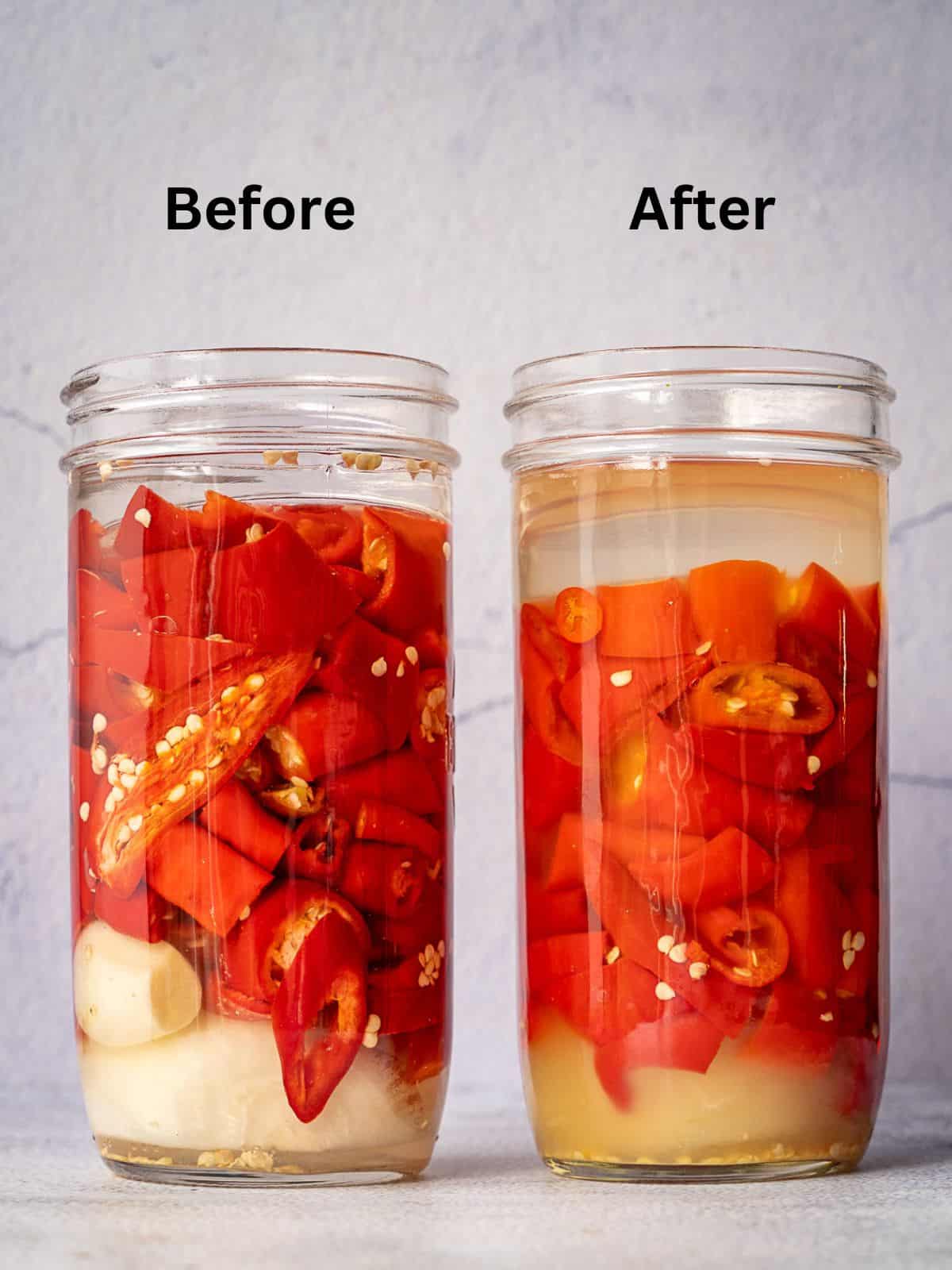
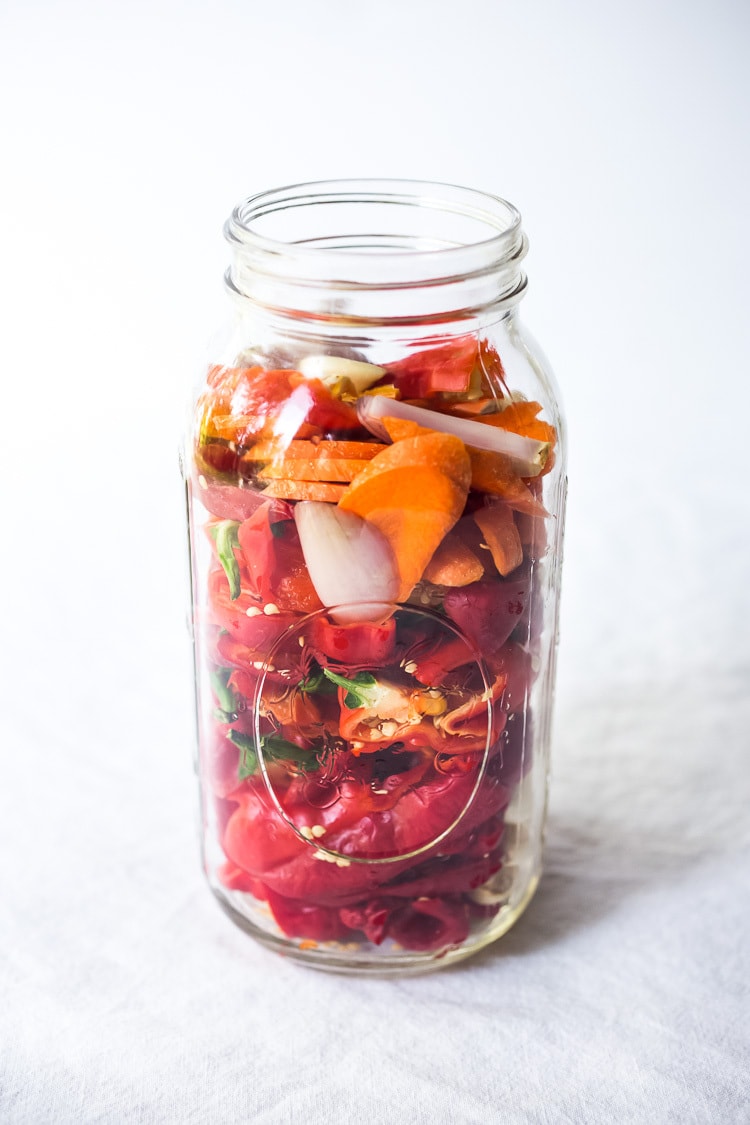
Brine Fermentation
Whole or chopped peppers are submerged in saltwater and fermented.
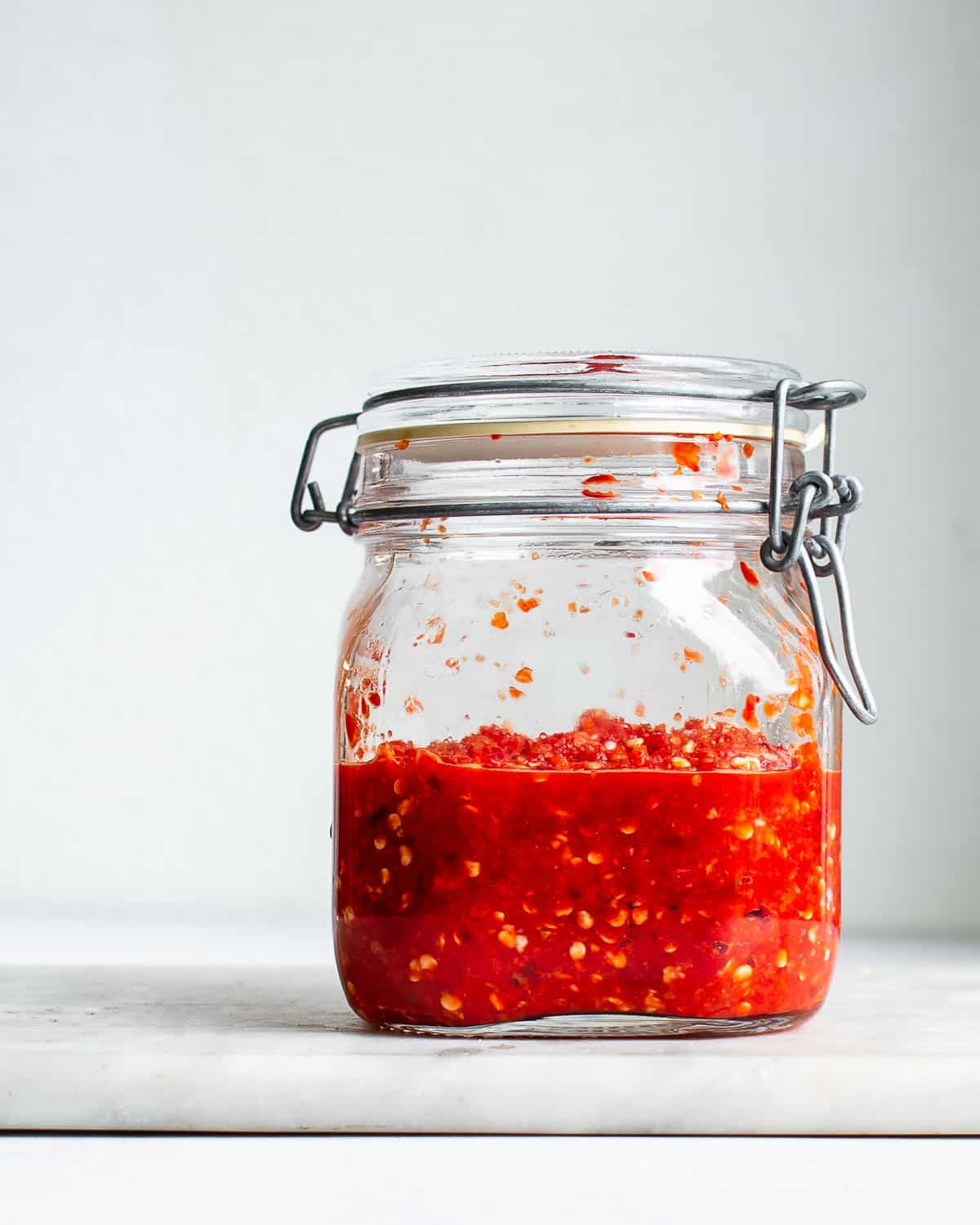
Mash Fermentation
Peppers are blended with salt into a paste, then fermented as a thick mash.
Both rely on lactobacillus. Both create acidity.
But they behave very differently.
Brine Fermentation: How It Works
Basic process
-
Chop or leave peppers whole
-
Submerge fully in 2–5% salt brine
-
Ferment 1–6+ weeks
-
Drain, blend, and finish sauce
What Brine Fermentation Is Best At
✅ Clean, bright acidity
Brine fermentation produces a lighter, sharper lactic tang. This works beautifully in:
-
Vinegar-forward sauces
-
Bright table sauces
-
Green sauces
-
Minimalist pepper sauces
✅ Lower risk for beginners
Saltwater creates a forgiving environment:
-
Easy to keep oxygen out
-
Less chance of mold
-
Clear visual cues if something goes wrong
✅ Pepper character stays distinct
Whole or chunked peppers retain more of their varietal flavor — especially useful when showcasing a single pepper.
Downsides of Brine Fermentation
❌ Dilution
Water is added at the start — meaning:
-
Thinner mash after blending
-
More reduction or thickening later
-
Weaker pepper intensity per volume
❌ Less body and mouthfeel
Brine-fermented sauces often need:
-
Reduction
-
Added solids
-
Or stabilizers to feel substantial
❌ Inconsistent flavor extraction
Flavor leaches slowly into brine, sometimes unevenly — especially with thick-walled peppers.
Mash Fermentation: How It Works
Basic process
-
Remove stems
-
Blend peppers with 2–2.5% salt (by weight)
-
Pack into container, exclude oxygen
-
Ferment 2–12+ weeks
-
Finish sauce directly from mash
What Mash Fermentation Is Best At
✅ Maximum flavor intensity
Mash fermentation keeps everything inside the system:
-
Capsaicin
-
Oils
-
Sugars
-
Fibers
Nothing gets diluted.
This creates:
-
Deeper pepper flavor
-
Richer mouthfeel
-
More complex aroma
✅ Naturally thicker sauce
Because there’s no added water:
-
Sauce finishes thicker
-
Less need for gums or reduction
-
Better cling on food
✅ Superior for scaling
Mash fermentation is:
-
Easier to standardize
-
Easier to measure
-
Easier to repeat batch to batch
This is why most commercial hot sauce brands ferment mash, not brine.
Downsides of Mash Fermentation
❌ Higher skill requirement
Mash fermentation demands:
-
Proper salt percentages
-
Careful oxygen control
-
Clean handling
Mistakes show up faster.
❌ Less forgiving visually
Mold is harder to spot early in thick mash if you’re inexperienced.
❌ Stronger funk if unmanaged
Mash fermentation can develop intense aromas if temperature or salt is off.
Flavor Differences You Can Actually Taste
| Attribute | Brine | Mash |
|---|---|---|
| Acidity | Bright, sharp | Rounded, deep |
| Pepper flavor | Clean, lighter | Bold, concentrated |
| Aroma | Fresh, tangy | Funky, complex |
| Heat perception | Faster, sharper | Slower, lingering |
| Mouthfeel | Thin | Thick, rich |
Key insight:
Brine highlights acidity. Mash highlights pepper.
Which Method Is Better by Sauce Style?
🌴 Fruit-Forward / Tropical Sauces
Best choice: Mash
Why: Fruit sugars, pepper oils, and body stay intact.
🧄 Garlic-Forward Sauces
Best choice: Mash (peppers first, garlic later)
Why: Rich mouthfeel and depth support garlic better.
🌱 Green Sauces
Best choice: Brine
Why: Cleaner acidity, brighter color, less funk.
🔥 Superhot Sauces
Best choice: Mash
Why: Capsaicin concentration stays high without dilution.
🧂 Vinegar-Heavy Table Sauces
Best choice: Brine
Why: Lighter body pairs well with vinegar dominance.
Fermentation Speed & Control
Brine
-
Slower start
-
Gentler fermentation curve
-
More forgiving temperature range
Mash
-
Faster onset
-
Stronger CO₂ production
-
Requires headspace and burping (or airlock)
Rule of thumb:
Mash ferments stronger and faster. Brine ferments cleaner and safer.
Salt Percentage Guidelines (Critical)
Brine Fermentation
-
2–5% salt brine
-
3% is a common sweet spot
Mash Fermentation
-
2–2.5% salt by total weight
-
Lower than 2% = risk
-
Higher than 3% = stalled fermentation
Salt accuracy matters far more in mash fermentation.
Scaling From Home to Production
This is where the decision becomes obvious.
Brine Scaling Problems
-
Inconsistent pepper-to-liquid ratio
-
Extra steps (draining, blending)
-
Variable thickness
-
Harder to standardize
Mash Scaling Advantages
-
Everything measured by weight
-
Same process at any volume
-
Predictable yield
-
Easier food safety documentation
This is why nearly every large hot sauce brand uses mash fermentation.
The Hybrid Method (Best of Both Worlds)
Many experienced makers quietly use a hybrid approach:
-
Start with mash fermentation
-
Add brine or vinegar after fermentation
-
Adjust acidity, thickness, and flavor
This delivers:
-
Mash-level flavor
-
Brine-level brightness
-
Full control at the end
Common Mistakes (And How to Avoid Them)
❌ Choosing brine for a sauce you want thick
✔ Use mash or add solids
❌ Choosing mash without weighing salt
✔ Always weigh — never eyeball
❌ Fermenting garlic with mash
✔ Add garlic post-ferment
❌ Judging fermentation by smell alone
✔ Taste + pH matter more
Final Verdict: Which Should You Choose?
There’s no universal winner — only the right tool for your goal.
Choose brine fermentation if you want:
-
Bright, clean acidity
-
Beginner-friendly process
-
Thin, pourable sauce
-
Green or vinegar-forward flavor
Choose mash fermentation if you want:
-
Maximum pepper flavor
-
Natural thickness
-
Better scalability
-
Commercial-grade consistency
One rule to remember:
Brine makes acidity shine. Mash makes peppers shine.
Choose based on what you want people to taste first.
Try our Hot Sauce Line


