


The Ultimate Guide to Salsa Doña–Style Heat
If you’ve ever eaten at an authentic Mexican taquería and wondered what is that dangerously creamy orange sauce, this is it.
This creamy habanero sauce—often compared to Salsa Doña—is smooth, fiery, lightly fluffy, and absolutely addictive. It’s not mayo-based, not dairy-based, and not complicated. The creaminess comes from a perfect oil emulsion, built by gently cooking peppers and aromatics, then blending patiently until the sauce transforms.
This version goes deeper than most recipes. You’ll learn why it emulsifies, how to control heat and thickness, and how to make a sauce that rivals (or beats) the squeeze bottles at your favorite taco spot.
What Is Creamy Habanero Sauce?
Creamy habanero sauce is a Mexican restaurant-style salsa made from:
-
Hot peppers
-
Onion
-
Garlic
-
Neutral oil
-
Salt
That’s it.
No cream. No mayonnaise. No avocado.
The sauce becomes creamy because the hot oil emulsifies with the pepper solids during extended blending, creating a pale, smooth, spoon-coating texture that clings beautifully to tacos and burritos.
Why This Sauce Is So Popular
✔ Explosive habanero flavor without bitterness
✔ Silky texture that sticks to food
✔ Intensely spicy but balanced
✔ Minimal ingredients
✔ Restaurant-authentic technique
Once you make it, you’ll start adding it to everything.
What Do Habaneros Bring to This Sauce?
Habanero peppers are known for their:
-
Bright, citrusy fruitiness
-
Floral aroma
-
Serious heat (100,000–350,000 SHU)
Unlike harsher peppers, habaneros stay flavorful even when blended smooth—making them ideal for emulsified sauces.
Substitutions that also work well:
-
Scotch bonnets
-
Datil peppers
-
Orange or red fresnos (milder)
Ingredients (With Smart Substitutions)
Exact measurements are in the printable recipe card below, but here’s what matters:
-
Habanero peppers – The star. Use fresh for best flavor.
-
Onion – White or yellow for clean sweetness.
-
Garlic – Fresh only; powdered won’t emulsify correctly.
-
Neutral oil – Corn oil is traditional. Avocado, canola, or vegetable oil work well.
-
❌ Avoid olive oil (flavor clashes + bitterness when blended long).
-
-
Salt – Essential for balance and flavor bloom.
How Spicy Is This Sauce?
Very spicy—but customizable.
Ways to reduce heat without losing creaminess:
-
Replace part of the habaneros by weight with sweet peppers
-
Add ½–1 bell pepper
-
Use only 1–2 habaneros for medium heat
👉 Always go by weight, not pepper count. Habanero sizes vary wildly.
How to Make Creamy Habanero Sauce (Step-by-Step)
1. Gently Simmer (Critical Step)
Add chopped habaneros, onion, garlic, and oil to a small saucepan.
Simmer covered over medium-low heat for about 15 minutes, until:
-
Peppers are fork-tender
-
Onions are fully softened
-
Garlic is mellow, not browned
This step:
-
Softens fibers for ultra-smooth blending
-
Prevents raw garlic harshness
-
Prepares the oil for emulsification
2. Cool Slightly, Then Blend
Let the mixture cool 3–5 minutes (hot oil + blender = danger).
Transfer everything (including oil) to a food processor or blender. Add salt.
3. Blend Longer Than You Think
Blend on high for 4–5 full minutes, scraping sides as needed.
You’ll see stages:
-
Chunky
-
Smooth
-
Lighter in color
-
Creamy and emulsified
⚠️ Do not rush this step.
This is where the sauce transforms.

4. Adjust Consistency
-
Too thick? Drizzle in more oil while blending
-
Want it pourable? Add water or fresh lime juice 1 tbsp at a time
Taste and adjust salt.
What This Sauce Should Look Like
-
Pale orange to light yellow
-
Glossy, not oily
-
Thick enough to cling to a spoon
-
Smooth enough for squeeze bottles
If it looks grainy or separated, it needs more blending time.
Pro Tips Most Recipes Don’t Tell You
-
Ventilate well — habanero fumes are intense
-
Wear gloves when handling peppers
-
Never rinse after blending — water breaks the emulsion
-
Blend warm, not cold — emulsions form better slightly warm
How to Use Creamy Habanero Sauce
This sauce works as both a salsa and a finishing sauce.
Best Uses
-
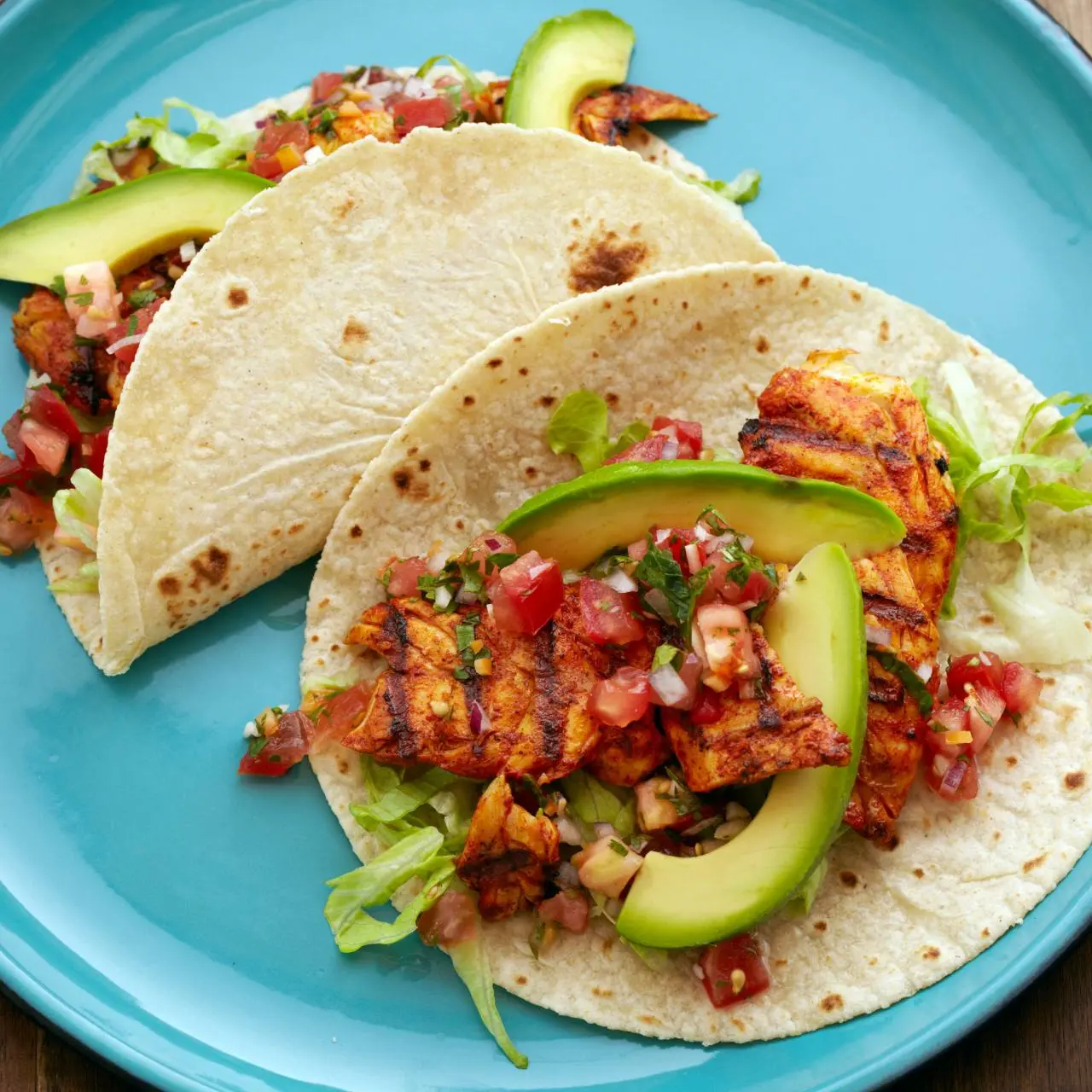
Tacos (fish, shrimp, carnitas, birria)
-
Burritos & burrito bowls
-
Eggs & breakfast tacos
-
Grilled chicken or steak
-
Burgers & sandwiches
-
Tortilla chips (careful—it disappears fast)

Storage & Safety
-
Refrigerator: 7–10 days, airtight container
-
Best texture: First 5–7 days
-
Freezing: Not recommended (emulsion breaks)
-
Canning: ❌ Not safe (oil-based sauce)
Shake or stir before using if slight separation occurs.
Frequently Asked Questions (FAQ)
Is this the same as Salsa Doña?
It’s the same style and technique, but heat levels vary by pepper choice and oil ratio.
Why does the sauce turn lighter in color?
Extended blending emulsifies oil with pepper solids, trapping air and lightening the color—similar to aioli or mayo.
Can I use olive oil?
Not recommended. Olive oil becomes bitter when blended aggressively and clashes with habanero fruitiness.
Why is my sauce not creamy?
Common reasons:
-
Not blended long enough
-
Ingredients too cold
-
Not enough oil
-
Peppers not softened enough
Can I add lime juice?
Yes—but only at the end, and sparingly, or it may break the emulsion.
Final Thoughts
This creamy habanero sauce is simple, bold, and dangerously good. It proves that technique matters more than ingredient count—and once you master it, you’ll have a restaurant-quality sauce that outperforms anything store-bought.
If you love fiery heat with smooth, luxurious texture, this belongs in your fridge.
Try our Hot Sauce Line


