


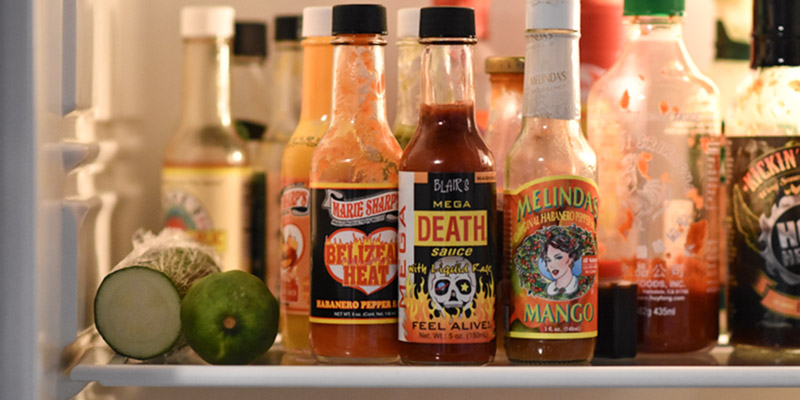
There is more conflicting advice about hot sauce storage than almost any other condiment. Some bottles say refrigerate, others don’t. Some people keep sauce for years on the counter. Others toss it after a month.
This guide fills the gaps other websites miss.
You’ll learn:
-
When hot sauce actually needs refrigeration (and when it doesn’t)
-
What changes between vinegar-based, fermented, and fresh-ingredient sauces
-
How long hot sauce lasts by sauce type
-
A clear, visual checklist for when to toss a bottle (no guessing)
-
Why some sauces are safe but taste bad — and others become unsafe
This is the definitive hot sauce storage guide, written for real kitchens, not just labels.


The Short Answer (TL;DR)
Not all hot sauces need refrigeration — but many benefit from it.
Refrigeration depends on:
-
Acidity (pH)
-
Ingredients
-
Fermentation
-
Sugar content
-
Whether the bottle has been opened
🔥 Food safety and flavor quality are not the same thing.
Why There’s So Much Confusion About Hot Sauce Storage
Most advice online oversimplifies:
-
“Vinegar preserves everything” (not always)
-
“Fermentation makes it shelf-stable forever” (not exactly)
-
“If it smells fine, it’s safe” (dangerous advice)
The truth is more nuanced — and depends on sauce type.
The 3 Main Hot Sauce Categories (This Is the Key)
Almost every hot sauce fits into one of these categories:
-
Vinegar-based hot sauce
-
Fermented hot sauce
-
Fresh-ingredient hot sauce
Each behaves very differently over time.
🌶️ Vinegar-Based Hot Sauce (Most Shelf-Stable)
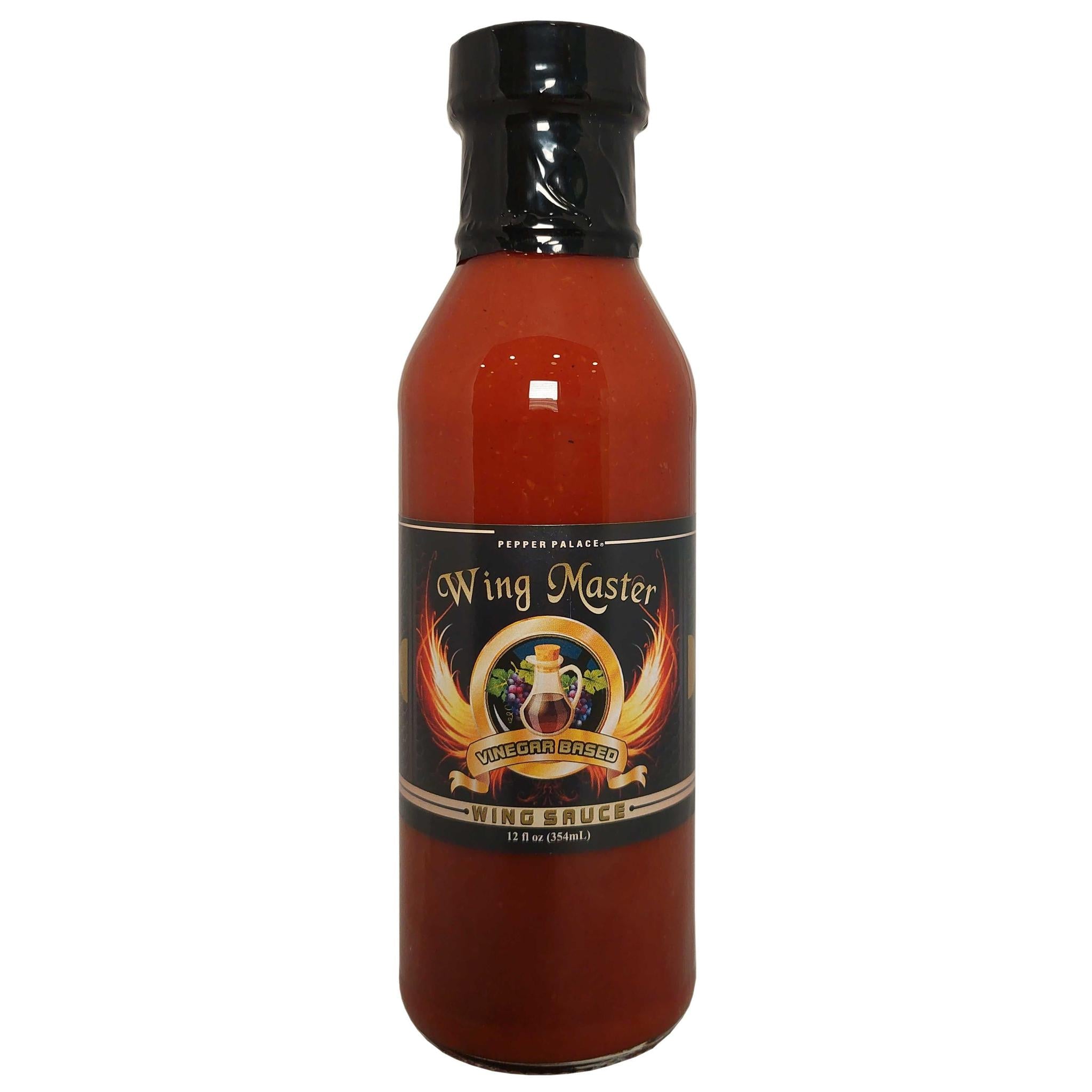

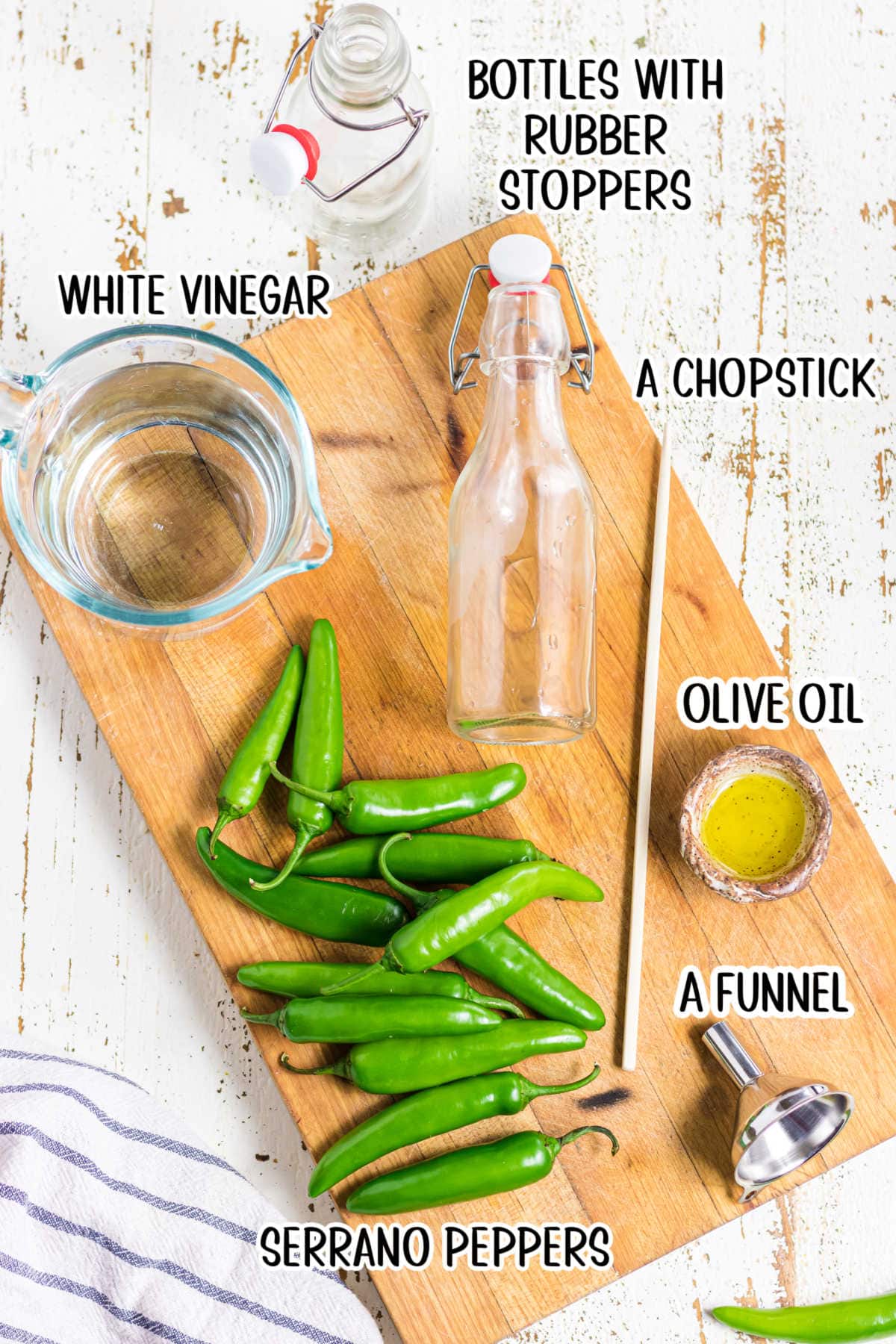
Examples
-
Louisiana-style hot sauce
-
Cayenne + vinegar sauces
-
Many mass-market brands
Do These Need Refrigeration?
No — but refrigeration improves quality.
Why They’re Shelf-Stable
-
High acetic acid (vinegar)
-
Low water activity
-
Low sugar
-
Low pH (usually ≤ 4.0)
These conditions prevent harmful bacteria growth.
How Long They Last
-
Unopened (pantry): 2–5 years
-
Opened (pantry): 1–3 years
-
Opened (refrigerated): 3+ years (better flavor)
🔥 Safe at room temp — but color and heat fade faster.
🌶️ Fermented Hot Sauce (Safe, but Flavor-Sensitive)


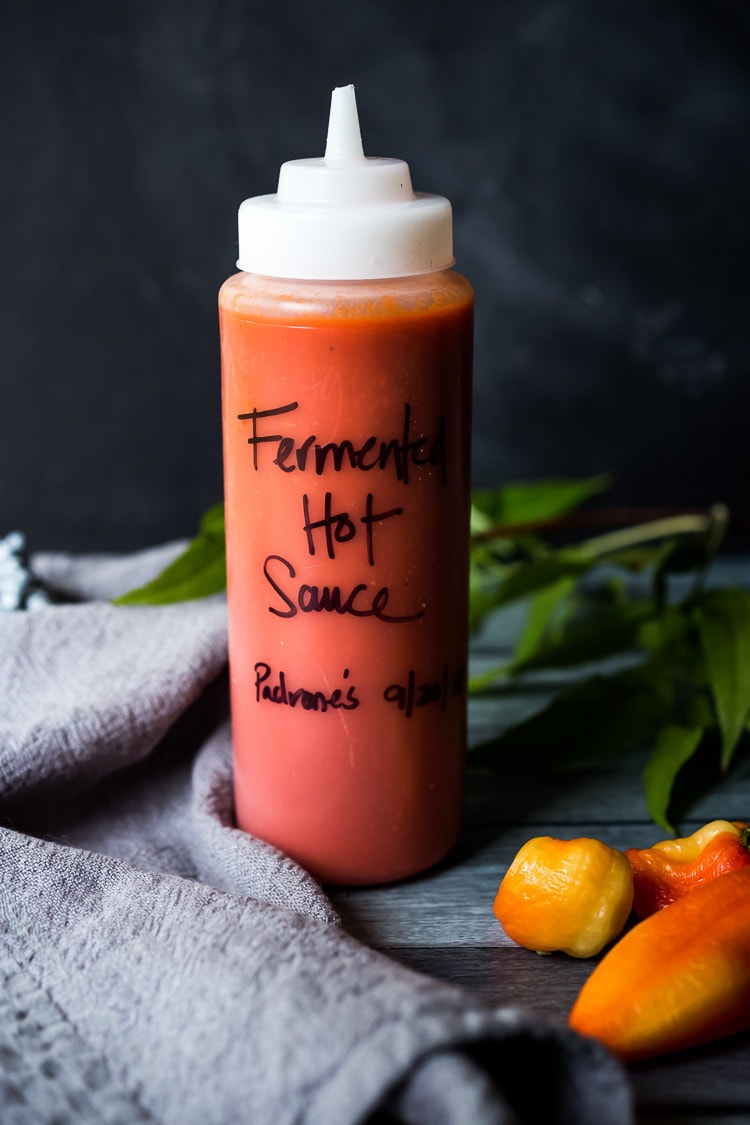
Examples
-
Lacto-fermented pepper sauces
-
Mash-fermented sauces
-
Many craft hot sauces
Do These Need Refrigeration?
Not strictly — but strongly recommended after opening.
Why Fermented Sauces Are Special
-
Lactic acid lowers pH naturally
-
Salt inhibits pathogens
-
Fermentation creates a hostile environment for bad bacteria
However…
What Changes Without Refrigeration
-
Fermentation continues slowly
-
Flavor becomes more acidic over time
-
Heat perception can increase
-
Carbonation pressure may build
How Long They Last
-
Unopened (cool pantry): 6–12 months
-
Opened (refrigerated): 6–12 months (best quality)
-
Opened (room temp): Safe but flavor degrades faster
🔥 Refrigeration preserves balance — not safety.
🌶️ Fresh-Ingredient Hot Sauce (Refrigeration REQUIRED)
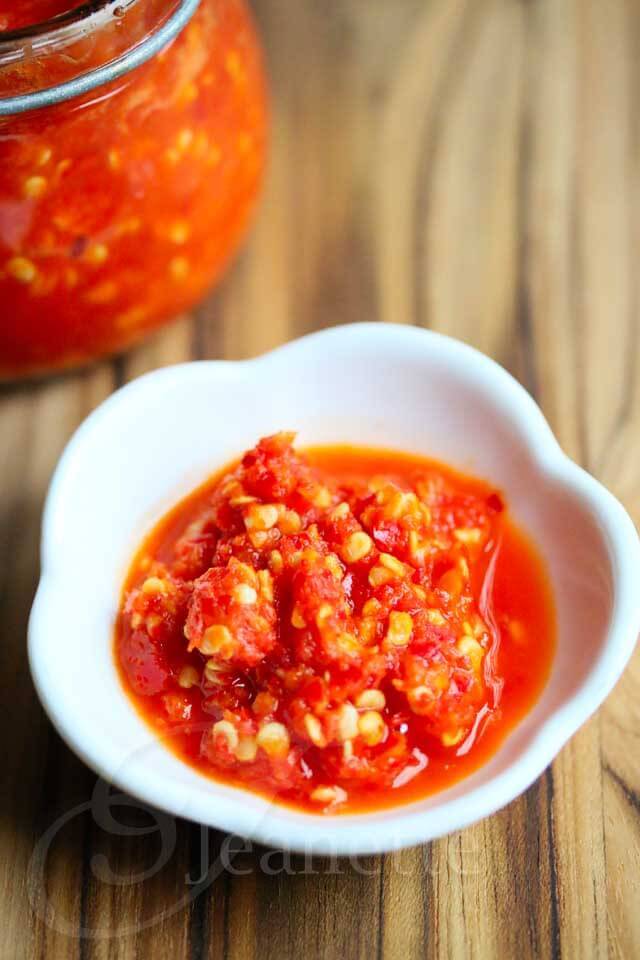
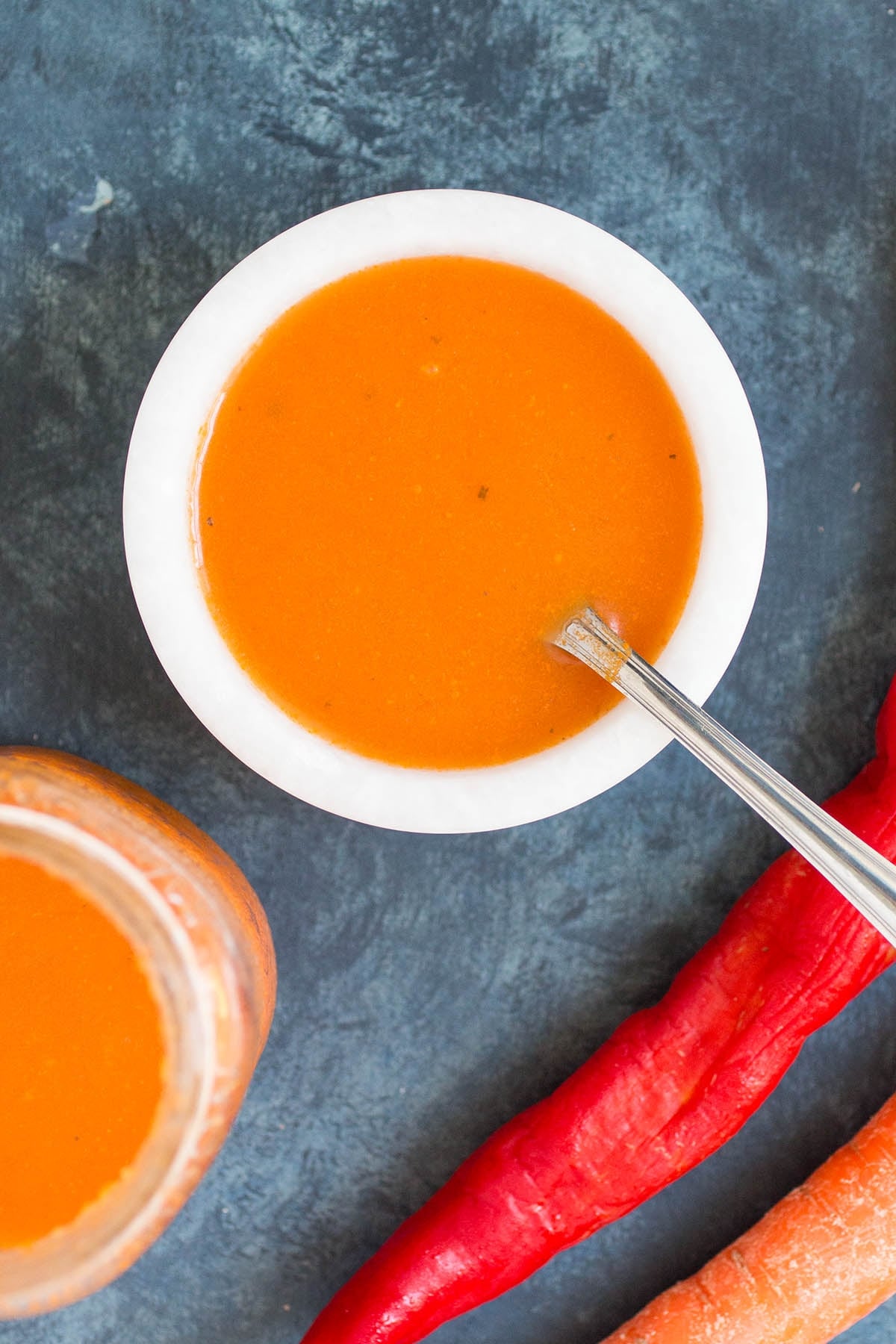
Examples
-
Fresh garlic sauces
-
Carrot-based sauces
-
Fruit hot sauces (mango, pineapple, peach)
-
Low-vinegar “clean label” sauces
Do These Need Refrigeration?
YES. Always.
Why These Are Riskier
-
Higher water content
-
Natural sugars (fruit, carrots)
-
Fresh garlic and onion
-
Often lower acidity
Even if they taste acidic, they may not be acidic enough for shelf safety.
How Long They Last
-
Unopened (refrigerated): Check label (often 3–6 months)
-
Opened (refrigerated): 1–3 months
-
Room temperature: ❌ Not recommended
🔥 These are the sauces that cause food-safety problems when mis-stored.
How Long Does Hot Sauce Last? (By Type)
| Sauce Type | Pantry (Unopened) | After Opening (Fridge) |
|---|---|---|
| Vinegar-based | 2–5 years | 3+ years |
| Fermented | 6–12 months | 6–12 months |
| Fresh-ingredient | ❌ | 1–3 months |
⚠️ Always defer to manufacturer instructions if listed.
Does Refrigeration Change Hot Sauce?
Yes — but mostly in good ways.
What Refrigeration Does
-
Slows oxidation (color loss)
-
Preserves heat consistency
-
Prevents flavor drift
-
Stops fermentation creep
What It Doesn’t Do
-
Make unsafe sauce safe
-
Fix a spoiled sauce
-
Restore lost flavor
🔥 Refrigeration is preservation, not repair.
When to Toss a Bottle (Visual Safety Checklist)


🚫 THROW IT AWAY IF YOU SEE:
-
Fuzzy mold (blue, green, black, pink)
-
Bulging bottle or hissing release
-
Rotten, cheesy, or sulfur smell
-
Slimy texture
-
Active bubbling in non-fermented sauce
⚠️ USE CAUTION IF YOU NOTICE:
-
Significant darkening
-
Separation that won’t remix
-
Loss of heat
-
Flat or dull flavor
These indicate quality loss, not always danger.
✅ USUALLY SAFE IF:
-
Vinegar-based sauce smells sharp but clean
-
Fermented sauce smells tangy/sour (not rotten)
-
No mold or gas pressure present
When in doubt: don’t taste-test questionable sauce.
Common Storage Myths (Debunked)
❌ “All hot sauce is shelf-stable”
❌ “If it smells okay, it’s safe”
❌ “Fermented sauce lasts forever”
❌ “Vinegar kills everything”
✅ Safety depends on pH + ingredients + storage.
Best Practices for Maximum Shelf Life
-
Always use clean utensils
-
Wipe bottle necks after pouring
-
Store away from heat and sunlight
-
Refrigerate after opening — even if optional
-
Tighten caps fully
🔥 Most spoilage comes from cross-contamination, not time.
FAQ (Search-Optimized)
Does hot sauce go bad?
Yes — either in flavor or safety, depending on type.
Can hot sauce be left out overnight?
Vinegar and fermented sauces: usually fine.
Fresh sauces: refrigerate immediately.
Why does my hot sauce darken?
Oxidation — safe, but flavor declines.
Is separation normal?
Yes, especially in natural sauces. Shake well.
Final Verdict: Refrigeration Is About Quality — Not Fear
The safest approach is simple:
-
Vinegar-based: Refrigerate for best flavor
-
Fermented: Refrigerate after opening
-
Fresh ingredient: Refrigerate always
Understanding why makes storage easy — and keeps your sauces tasting the way they were meant to 🌶️🧊🔥
Try our Hot Sauce Line


