


Fermentation and vinegar both make food acidic.
That’s where the similarity ends.
If you’ve ever wondered why a fermented hot sauce tastes deeper and rounder, while a vinegar-based sauce tastes brighter and sharper—even at the same pH—this is why.
This is a flavor-first, practical guide to the real differences between fermentation and vinegar. We’ll go beyond surface-level acidity and explain how each method changes:
-
Flavor development
-
Heat perception
-
Texture and thickness
-
Shelf stability
-
When one clearly outperforms the other
Whether you’re a sauce maker, home cook, or spice obsessive, this will help you choose the right acid for the job, not just the fastest one.
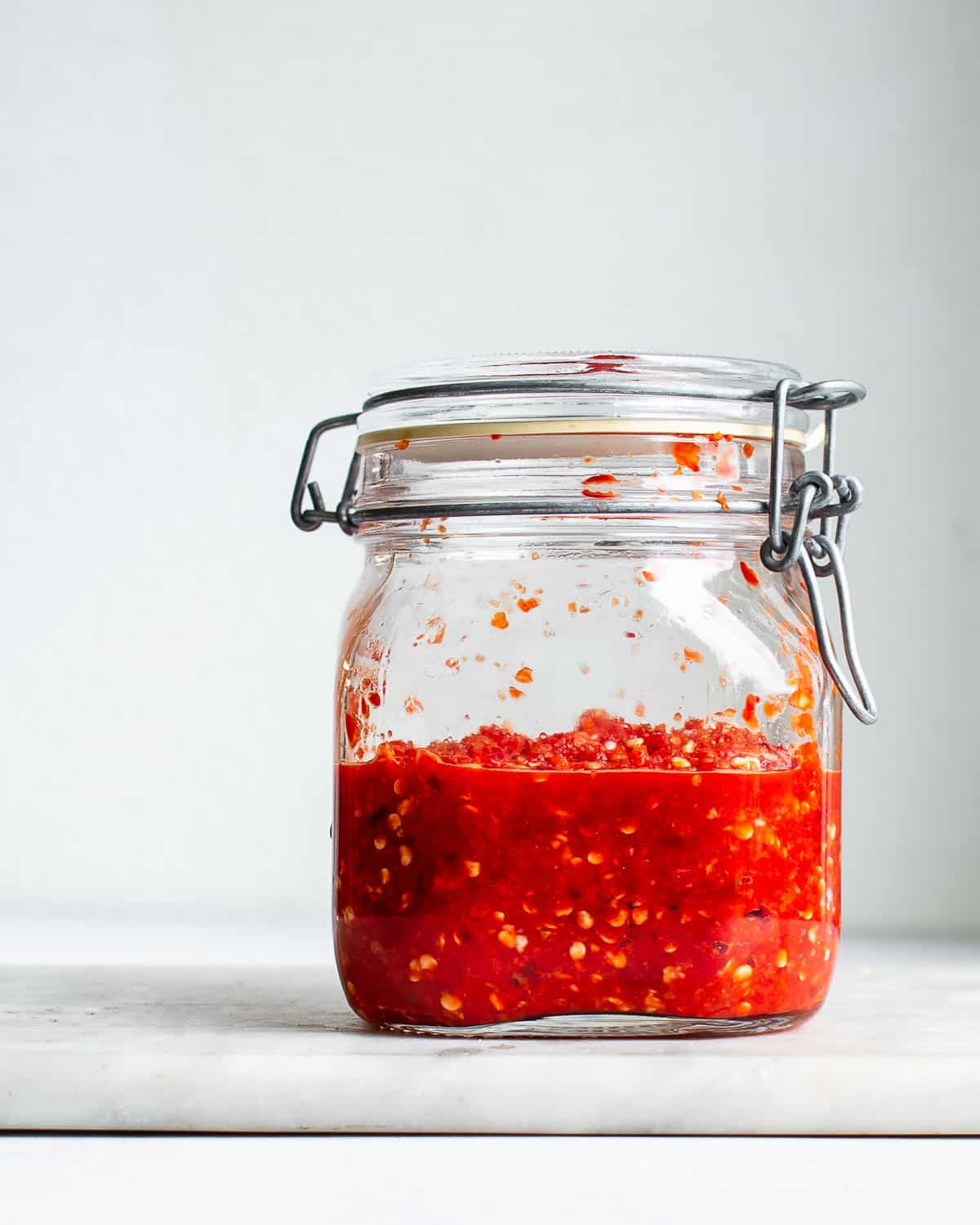

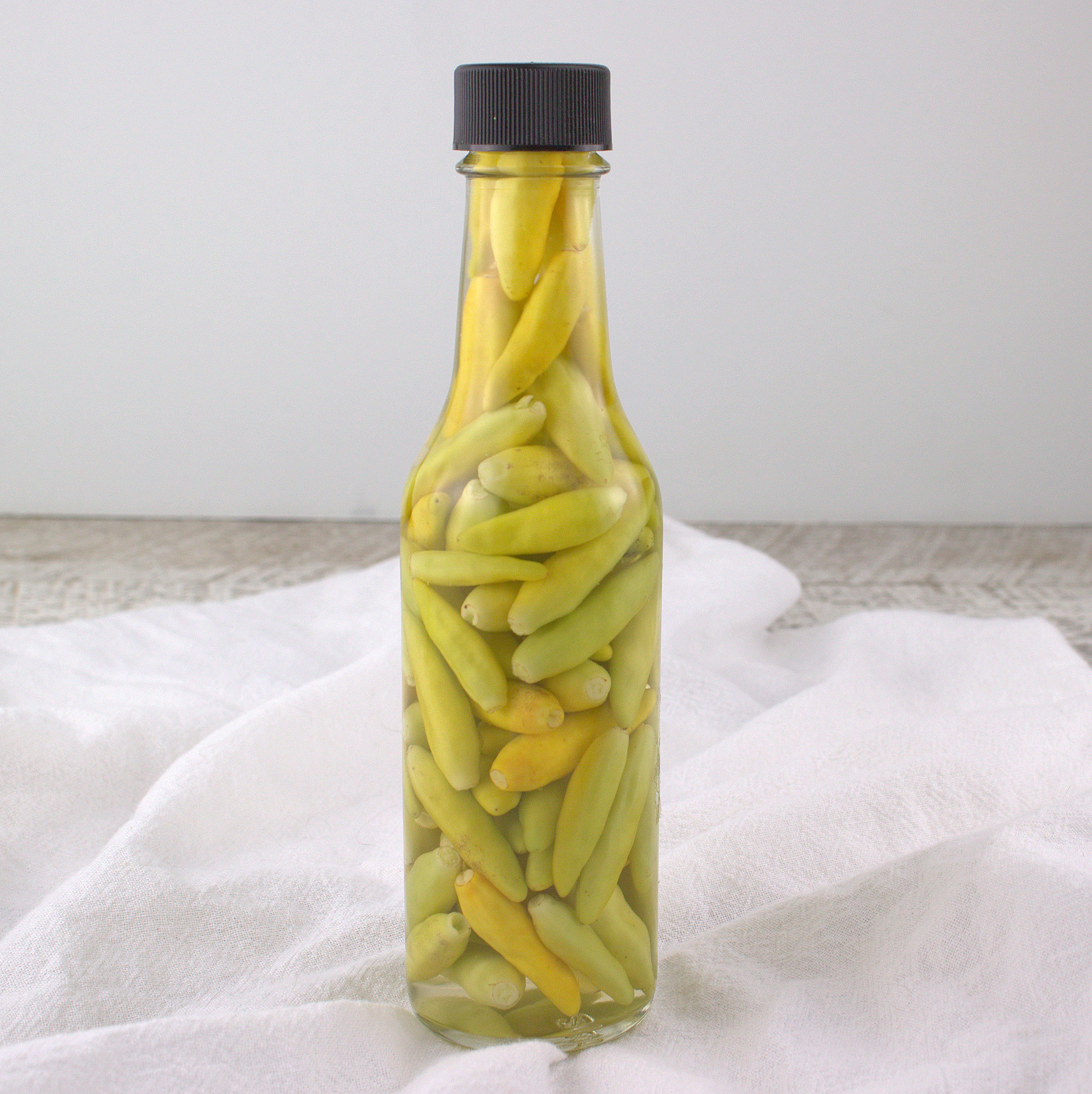
The Core Difference (In One Sentence)
Fermentation creates acid as a byproduct of flavor development.
Vinegar adds acid instantly, without developing flavor.
Everything else flows from that.
What Fermentation Actually Is (Not Just “Souring”)
Fermentation is a biological process.
-
Naturally occurring bacteria (mostly lactobacillus)
-
Consume sugars in peppers
-
Produce lactic acid, CO₂, and complex flavor compounds
This happens slowly—over days or weeks—and during that time:
-
Flavors transform
-
Aromas deepen
-
Texture changes
-
Heat perception shifts
Fermentation doesn’t just acidify food.
It evolves it.
What Vinegar Actually Is (And Isn’t)
Vinegar is pre-made acid.
It’s created elsewhere (by converting alcohol into acetic acid), then added to your food to:
-
Lower pH immediately
-
Add sharpness
-
Preserve quickly
Vinegar does not:
-
Develop new flavor compounds
-
Transform ingredients over time
-
Soften harshness naturally
It’s fast, effective, and predictable—but blunt.
Flavor: Depth vs Brightness
Fermentation Flavor Profile
Fermented sauces tend to taste:
-
Round
-
Savory
-
Slightly funky (in a good way)
-
Integrated
The acidity feels part of the sauce, not layered on top.
Vinegar Flavor Profile
Vinegar-based sauces taste:
-
Bright
-
Sharp
-
Clean
-
Immediate
The acidity is front-facing and unmistakable.
The Key Flavor Difference
Fermentation builds bass notes.
Vinegar adds treble.
Neither is better universally—they serve different goals.
Heat Perception: Why They Feel So Different
This is one of the most misunderstood differences.
Fermented Heat
-
Slower onset
-
Smoother curve
-
Longer linger
-
Feels warmer than sharp
Fermentation often makes peppers feel less aggressive, even if they’re just as hot.
Vinegar Heat
-
Immediate
-
Sharp
-
Tongue-forward
-
Can feel harsher at lower SHU
Acetic acid amplifies the sting of capsaicin.
Real-World Result
A fermented 100,000 SHU sauce often feels gentler than a
vinegar-based 50,000 SHU sauce.
Texture & Thickness
Fermentation
Especially with mash fermentation:
-
Retains solids
-
Builds natural viscosity
-
Feels fuller on the palate
-
Clings to food
This is why fermented sauces often need less thickening help.
Vinegar
Vinegar:
-
Thins sauces
-
Separates solids
-
Creates pourable textures easily
Great for table sauces—but not for coating or body.
Shelf Stability & Safety
Vinegar Wins on Speed
-
Immediate pH drop
-
Predictable preservation
-
Easy for beginners
-
Minimal monitoring
This is why classic commercial sauces lean heavily on vinegar.
Fermentation Wins on Longevity (When Done Right)
-
Naturally stable once acidic
-
Continues to evolve (slowly)
-
Requires salt control, oxygen control, and patience
Fermentation is safe—but process-dependent.
Ingredient Compatibility (What Works Better With Each)
Ingredients That Love Fermentation
-
Peppers (especially habanero, Fresno, serrano)
-
Carrot
-
Onion
-
Garlic (added post-ferment)
-
Fruit (controlled amounts)
Ingredients That Love Vinegar
-
Fresh herbs
-
Green peppers
-
Thin sauces
-
Citrus-forward profiles
-
Minimalist pepper sauces
Trying to force the wrong ingredient into the wrong acid creates imbalance.
Flavor Control vs Flavor Complexity
Vinegar = Control
You can:
-
Dial acidity precisely
-
Reproduce batches easily
-
Scale fast
-
Make quick adjustments
Fermentation = Complexity
You get:
-
Flavor you can’t “add” later
-
Natural umami
-
Integrated heat
-
Sauce personality
But less instant control.
This is the trade-off.
The pH Myth (Important)
People often say:
“If the pH is the same, the sauce is the same.”
It’s not.
Two sauces can have identical pH and taste completely different because:
-
Lactic acid (fermentation) tastes softer
-
Acetic acid (vinegar) tastes sharper
-
Aroma compounds influence heat perception
-
Texture changes how acid hits your tongue
pH measures safety, not experience.
When Fermentation Is the Better Choice
Choose fermentation if you want:
-
Deep pepper flavor
-
Savory or umami notes
-
Thicker sauce naturally
-
Smoother heat
-
A “craft” or premium feel
Ideal for:
-
Habanero sauces
-
Garlic-forward sauces
-
Tropical sauces
-
Fermented red or yellow sauces
When Vinegar Is the Better Choice
Choose vinegar if you want:
-
Bright punch
-
Fast turnaround
-
Thin table sauce
-
Clean, sharp heat
-
Maximum consistency
Ideal for:
-
Louisiana-style sauces
-
Green sauces
-
Seafood sauces
-
Everyday splash sauces
The Pro Move: Using Both (The Hybrid Approach)
Here’s what many experienced makers actually do:
-
Ferment peppers for flavor and body
-
Add vinegar after fermentation to:
-
Brighten
-
Stabilize
-
Fine-tune acidity
-
This gives you:
-
Fermentation depth
-
Vinegar control
-
Best-of-both-worlds balance
It’s not cheating—it’s smart formulation.
Common Mistakes (And How to Avoid Them)
❌ Using vinegar to “fix” flat flavor
✔ Build flavor first, then acidify
❌ Fermenting when you want brightness
✔ Fermentation softens sharp edges
❌ Over-vinegaring fermented sauces
✔ Use vinegar as a highlight, not the base
❌ Treating them as interchangeable
✔ They create fundamentally different sauces
Fermentation vs Vinegar: Side-by-Side Summary
| Category | Fermentation | Vinegar |
|---|---|---|
| Acid type | Lactic | Acetic |
| Speed | Slow | Instant |
| Flavor | Deep, rounded | Bright, sharp |
| Heat feel | Smooth, lingering | Sharp, immediate |
| Texture | Fuller | Thinner |
| Control | Lower | Higher |
| Complexity | High | Low–medium |
Final Takeaway
Fermentation and vinegar aren’t competitors.
They’re tools.
If you remember one thing:
Fermentation builds flavor.
Vinegar directs it.
Choose fermentation when you want depth and personality.
Choose vinegar when you want clarity and speed.
Use both when you want a sauce people remember and reach for daily.
Try our Hot Sauce Line


