


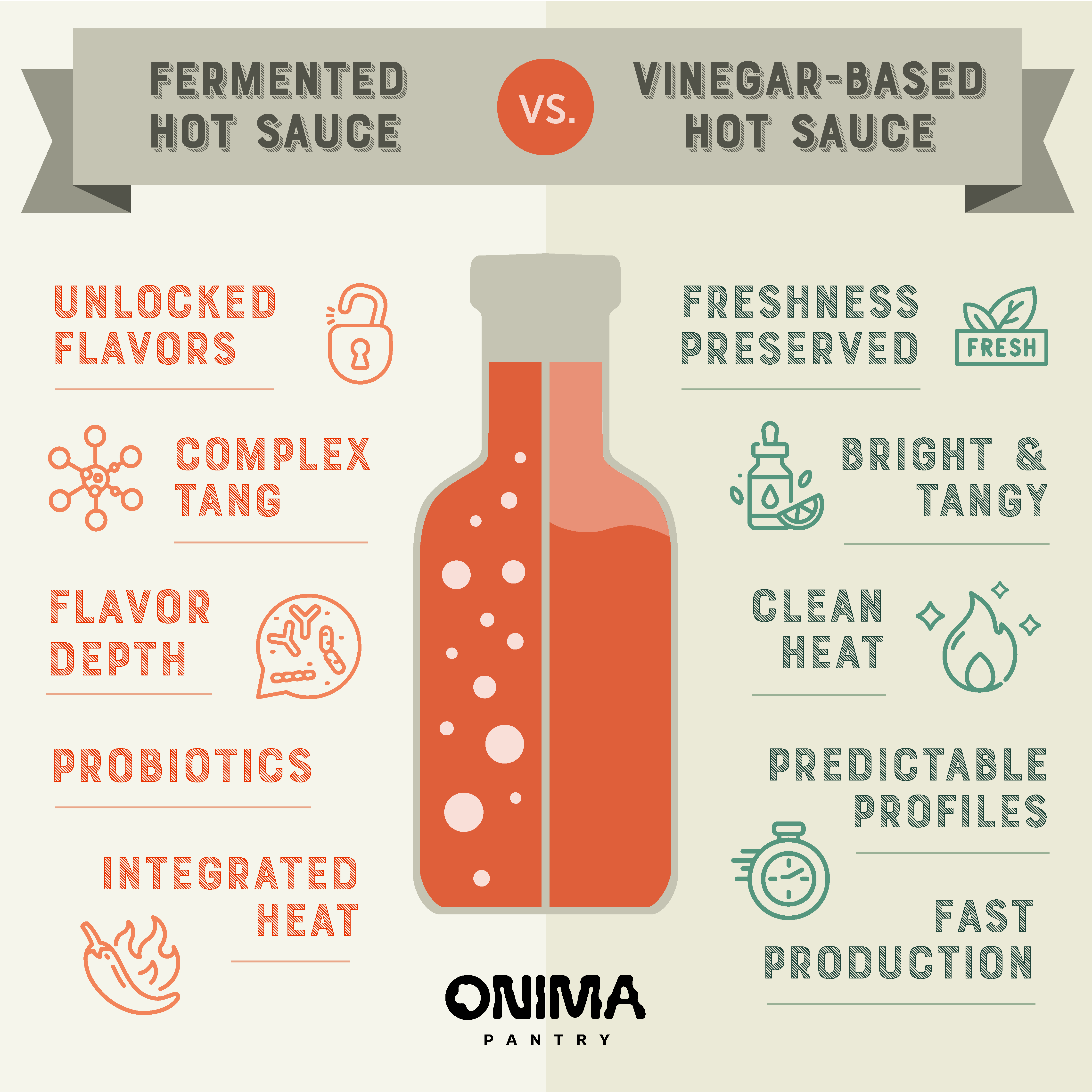
Fermented vs. Vinegar Hot Sauce
The Real Difference (Science, Flavor, and Which One You’ll Actually Like)
Not all hot sauces are built the same — and the biggest divide in the hot sauce world isn’t mild vs. hot.
It’s fermented vs. vinegar-based.
You’ve probably tasted both, even if you didn’t know it:
-
One tastes deep, savory, rounded, and complex
-
The other tastes bright, sharp, punchy, and immediate
Neither is “better.”
But they behave very differently on food — and understanding why will completely change how you buy, cook with, and enjoy hot sauce.
This guide breaks down:
-
What fermentation actually does (the real science, simply explained)
-
How vinegar-based sauces are made
-
Flavor, heat, shelf life, and texture differences
-
When to use each style (and when not to)
-
How to choose the right sauce for your food and heat tolerance
The hot sauce fork in the road
Every hot sauce starts the same way:
🌶️ Peppers + salt + acid
But what happens next determines everything.
Two paths:
-
Fermented hot sauce – time does the work
-
Vinegar hot sauce – acid does the work immediately
Think of it like:
-
Fermentation = slow cooking
-
Vinegar = flash seasoning
Let’s break both down.
What is fermented hot sauce?
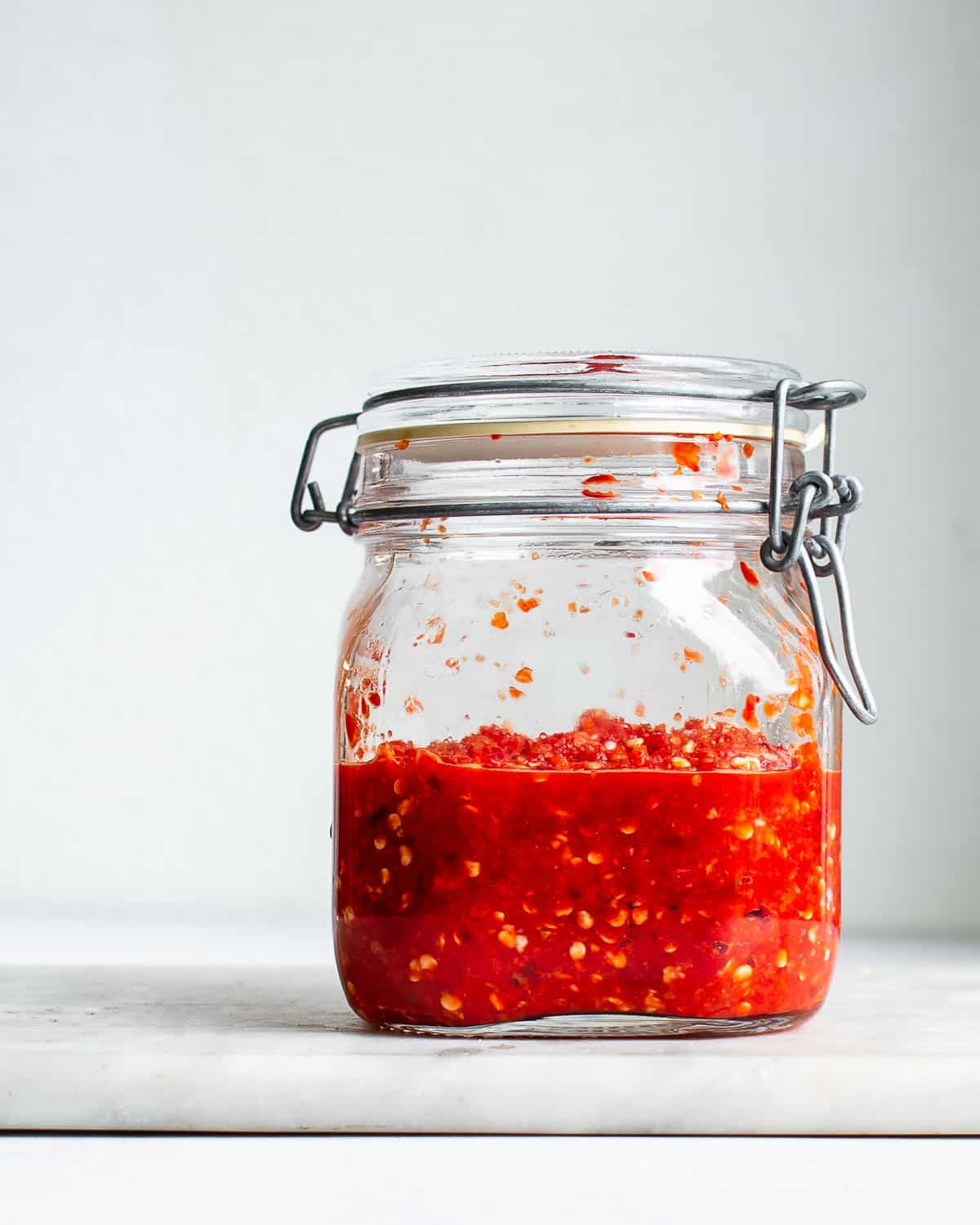
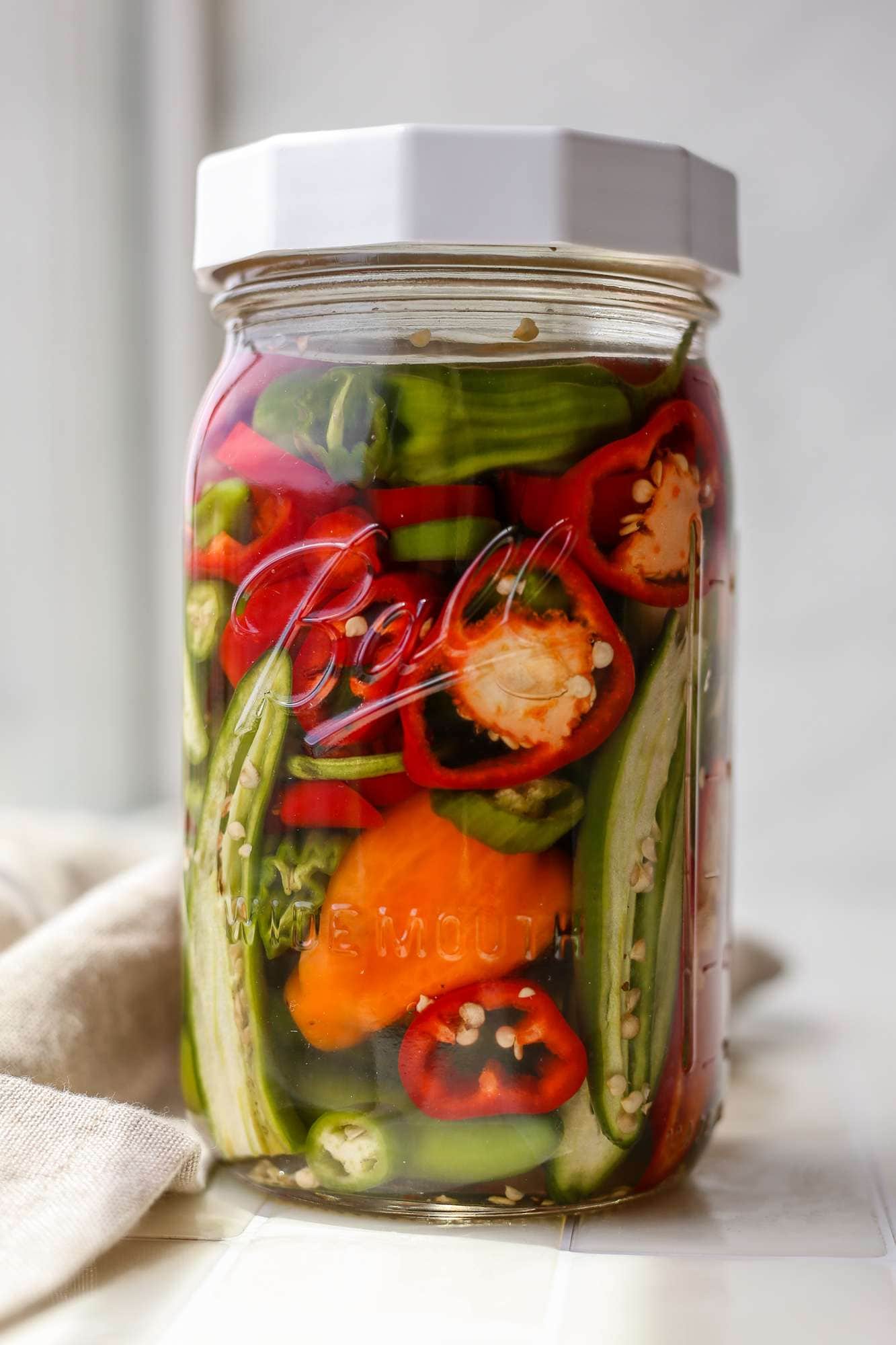
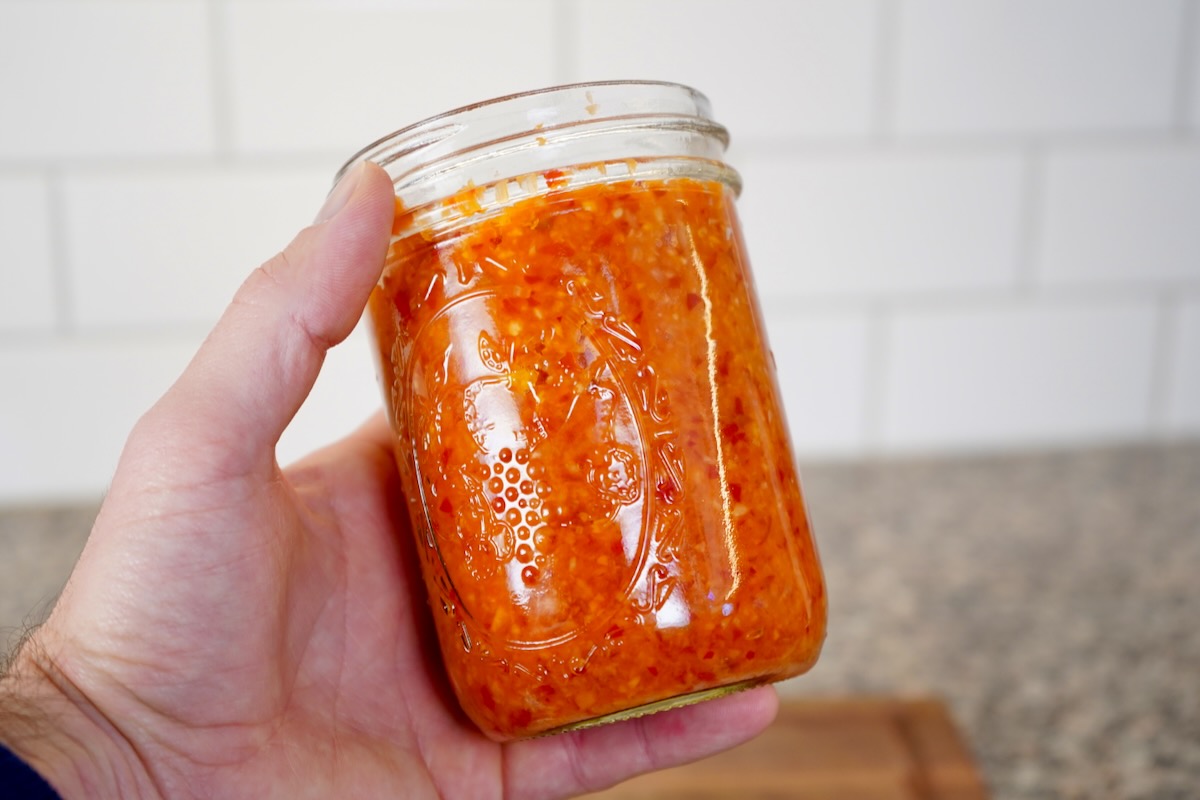
The basic process
-
Fresh peppers are crushed or mashed
-
Salt is added
-
The mixture is sealed (oxygen reduced)
-
Naturally occurring lactic acid bacteria consume sugars
-
Acid is created inside the mash over weeks or months
No vinegar is required to start fermentation — the acidity develops naturally.
The science (without the chemistry headache)
During fermentation:
-
Bacteria convert sugars → lactic acid
-
pH slowly drops
-
Flavor compounds multiply
-
Harsh edges mellow
-
Umami develops
This is the same process behind:
-
Sauerkraut
-
Kimchi
-
Yogurt
-
Sourdough
Hot sauce just happens to be the spiciest version of it.
What is vinegar-based hot sauce?
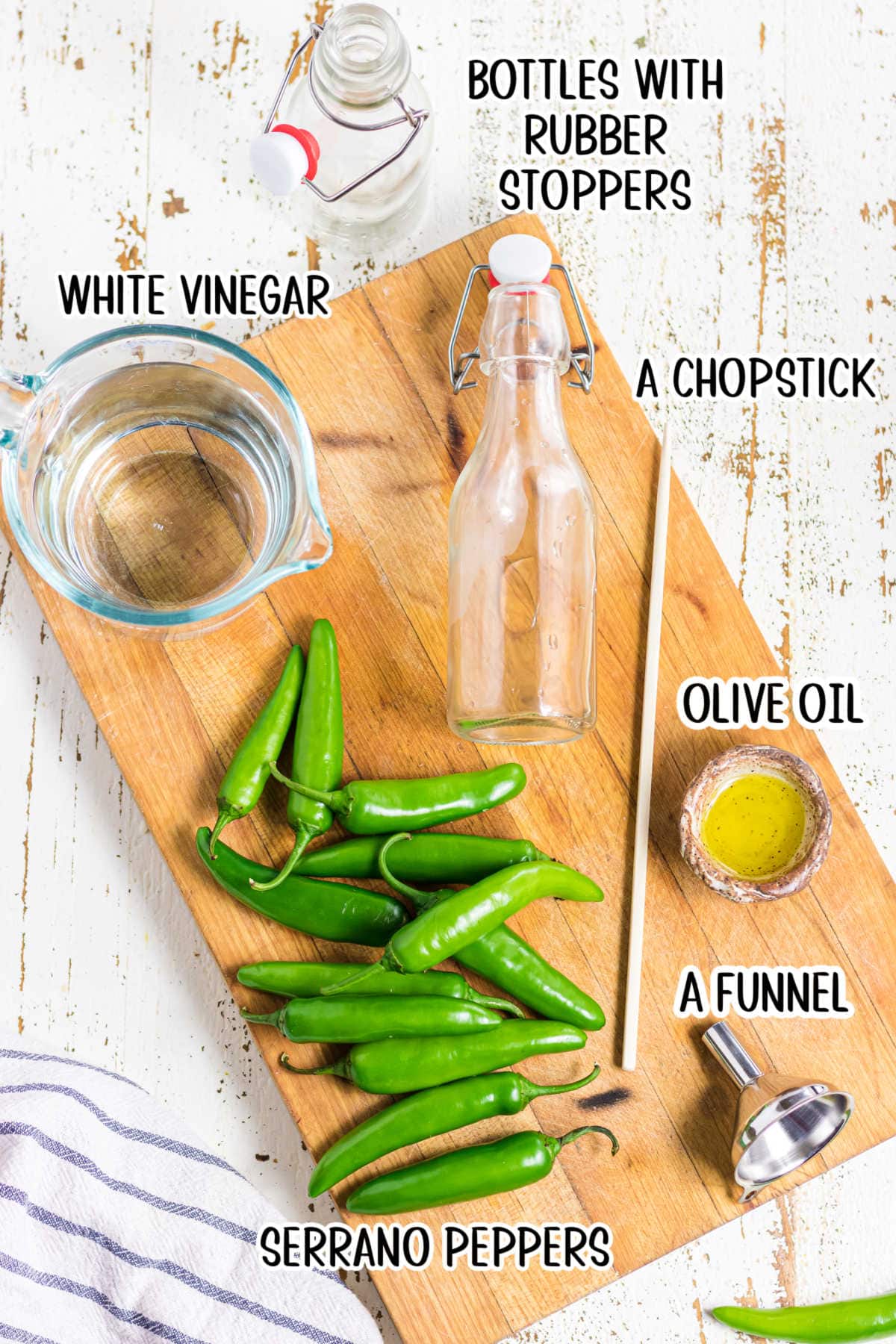
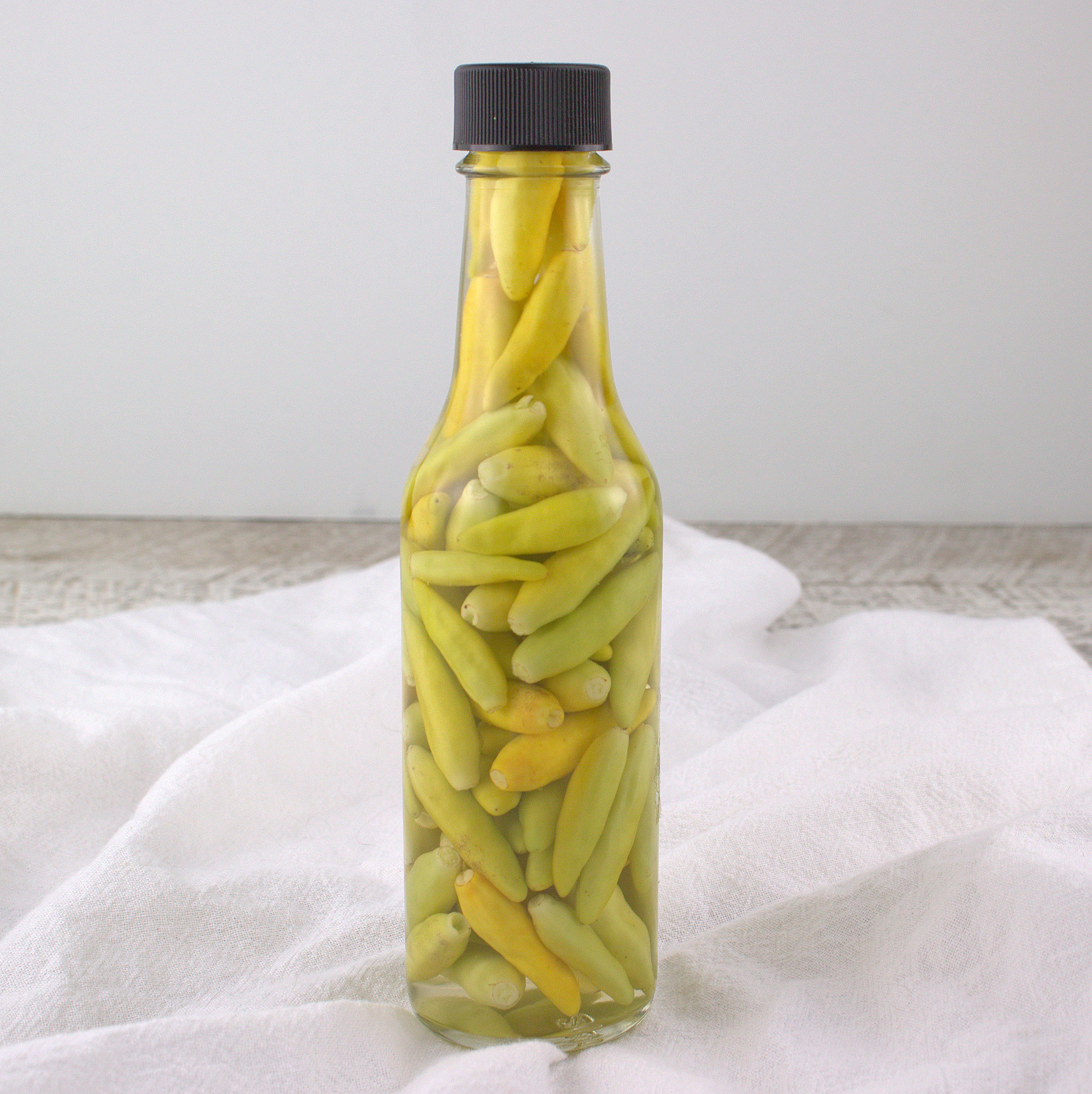
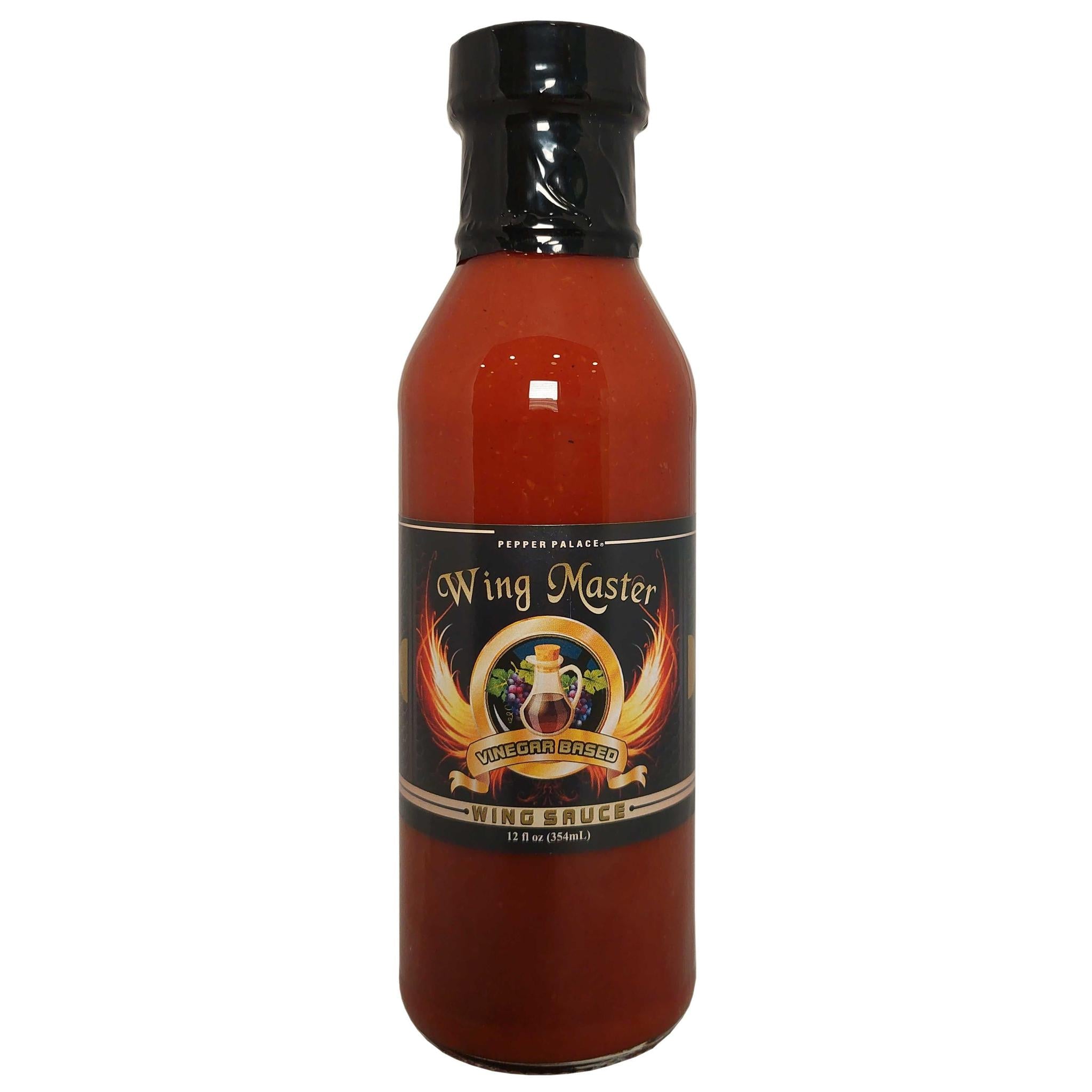
The basic process
-
Peppers are cooked or blended
-
Vinegar is added directly
-
Sauce is blended smooth
-
Bottle, label, ship
The acid comes from vinegar — not time.
The science
Vinegar-based sauces:
-
Drop pH instantly
-
Halt microbial activity immediately
-
Preserve flavor as-is
-
Lock heat in place
It’s efficient, predictable, and scalable.
Flavor differences (this is what you actually taste)
Fermented hot sauce flavor
Profile:
-
Rounded acidity (less sharp)
-
Savory depth
-
Slight funk or tang
-
Integrated heat
How it hits your mouth:
-
Flavor first
-
Heat builds gradually
-
Finish lingers
Fermented sauces often taste less hot than their Scoville rating suggests because the heat is buffered by complex flavor.
Vinegar hot sauce flavor
Profile:
-
Bright, sharp acidity
-
Forward heat
-
Clean, punchy bite
-
Simple, direct flavor
How it hits your mouth:
-
Acid up front
-
Heat follows quickly
-
Clean finish
These sauces feel “hotter” faster — even at lower Scoville levels — because vinegar amplifies capsaicin perception.
Heat perception: why fermented sauces feel smoother
This is where most people get confused.
Vinegar increases perceived heat
Acid:
-
Stimulates pain receptors
-
Thins sauces (less fat buffering)
-
Speeds capsaicin contact
Result: faster burn
Fermentation softens perceived heat
Fermentation:
-
Breaks down harsh compounds
-
Adds savory complexity
-
Thickens texture
Result: slower, smoother burn
That’s why many people who “can’t handle hot sauce” often tolerate fermented sauces surprisingly well.
Texture differences
Fermented sauces
-
Thicker
-
Creamier mouthfeel
-
Cling better to food
-
Great for drizzling, coating, mixing
Vinegar sauces
-
Thinner
-
More pourable
-
Drip faster
-
Great for splashing, seasoning, and finishing
Texture alone can decide which one belongs on your plate.
Shelf life & storage
Vinegar-based sauces
-
Extremely shelf-stable
-
Often safe unrefrigerated
-
Flavor stays consistent
-
Minimal change over time
Fermented sauces
-
Still shelf-stable (if properly acidified)
-
Flavor can evolve slowly
-
Refrigeration preserves peak taste
-
Slight gas or separation is normal
Fermented sauce isn’t “going bad” when it changes — it’s still alive.
When to use fermented hot sauce
Fermented sauces shine when you want depth.
Best uses:
-
Eggs & breakfast foods
-
Tacos & burritos
-
Roasted vegetables
-
Rice bowls
-
Pizza
-
Wings (especially butter-based sauces)
They behave more like ingredients than condiments.
When to use vinegar-based hot sauce
Vinegar sauces shine when you want contrast.
Best uses:
-
Fried foods
-
Seafood
-
Greens
-
Soups & stews
-
Bloody Marys & cocktails
-
Finishing a rich dish
They cut fat and wake up heavy meals instantly.
Common myths (and the truth)
❌ “Fermented hot sauce is healthier”
➡️ Not automatically. Fermentation can add complexity, but most commercial sauces are pasteurized. Flavor is the real benefit.
❌ “Vinegar hot sauce is cheap or low quality”
➡️ False. Vinegar-based sauces are intentional and classic — not inferior.
❌ “Fermented sauces aren’t hot”
➡️ Many are extremely hot — they just express heat differently.
Which one should you choose?
Ask yourself these questions:
Choose fermented if you:
-
Want smoother heat
-
Like savory, umami flavors
-
Use hot sauce as a cooking ingredient
-
Prefer thicker sauces
Choose vinegar-based if you:
-
Love sharp, punchy heat
-
Use hot sauce as a finishing splash
-
Want predictable intensity
-
Like bright acidity
Most hot sauce lovers end up keeping both.
Build the perfect hot sauce lineup (1 of each)
For a balanced fridge:
-
One fermented sauce for everyday cooking
-
One vinegar-based sauce for brightness and punch
This combo handles nearly every meal.
Final thoughts: it’s not a rivalry — it’s a toolbox
Fermented vs. vinegar hot sauce isn’t a battle.
It’s a choice of tools.
Fermentation gives you:
-
Time
-
Depth
-
Smoothness
Vinegar gives you:
-
Speed
-
Brightness
-
Precision
Once you understand the difference, you stop asking “Which is better?”
…and start asking “Which one does this dish need?”
Try our Hot Sauce Line


