


Ghost pepper (Bhut Jolokia) is one of the most misunderstood peppers in BBQ.
Most people know it as extreme heat.
Very few understand its smoky, slow-building, almost molasses-like depth—which is exactly why ghost pepper can be phenomenal in barbecue when used correctly… and absolutely terrible when used wrong.
This is a flavor-first guide to ghost pepper for BBQ and smoked foods, covering:
-
What ghost pepper actually tastes like
-
Why it pairs naturally with smoke
-
How to use it without overpowering meat
-
Sauce, rub, and glaze strategies that work
-
Common mistakes that kill BBQ flavor
If you want deep, lingering heat that feels earned, not gimmicky, this guide is for you.
What Ghost Pepper Really Tastes Like (Beyond the Scoville Rating)
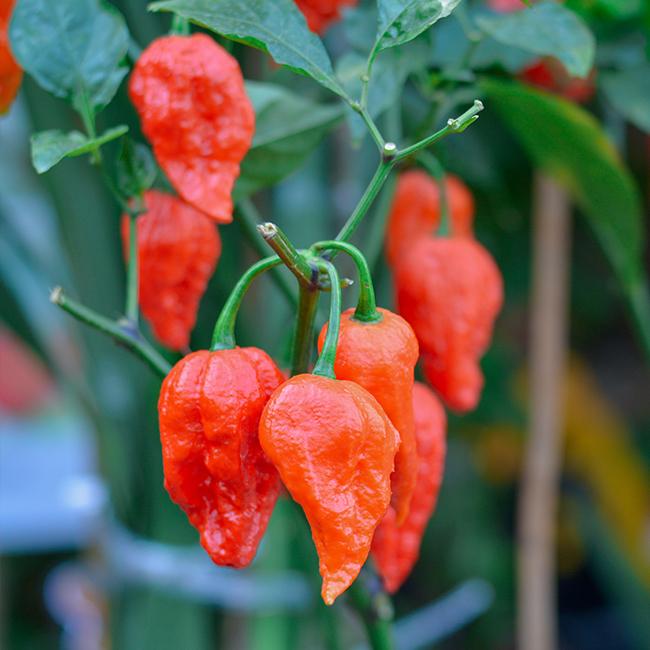
Heat: 800,000–1,000,000+ SHU
Origin: Northeast India
Primary flavor notes:
-
Smoky
-
Earthy
-
Slightly sweet
-
Raisin-like
-
Slow, creeping heat
Unlike habanero or Scotch bonnet, ghost pepper does not hit bright or fruity. Its defining trait is depth.
The Heat Curve (Why It Works for BBQ)
Ghost pepper heat:
-
Arrives late
-
Builds gradually
-
Lingers long after the bite
That mirrors barbecue itself:
-
Low and slow cooking
-
Fat rendering over time
-
Smoke developing in layers
That’s why ghost pepper feels natural in BBQ when used with restraint.
Why Ghost Pepper Pairs So Well With Smoke
Smoke and ghost pepper share key flavor characteristics:
| Smoke | Ghost Pepper |
|---|---|
| Earthy | Earthy |
| Bitter-sweet | Bitter-sweet |
| Lingering | Lingering |
| Deep | Deep |
Instead of clashing, they stack.
Best Smoke Pairings
-
Hickory
-
Oak
-
Mesquite (small amounts)
-
Applewood (for balance)
Ghost pepper absorbs smoke character better than most peppers, especially when dried or fermented.
Fresh vs Dried vs Smoked Ghost Pepper (Critical Difference)
🌶️ Fresh Ghost Pepper
-
Sharper heat
-
Less smoke
-
Slight vegetal edge
Best for:
-
Fresh salsas (very small amounts)
-
Finishing sauces (drops, not scoops)
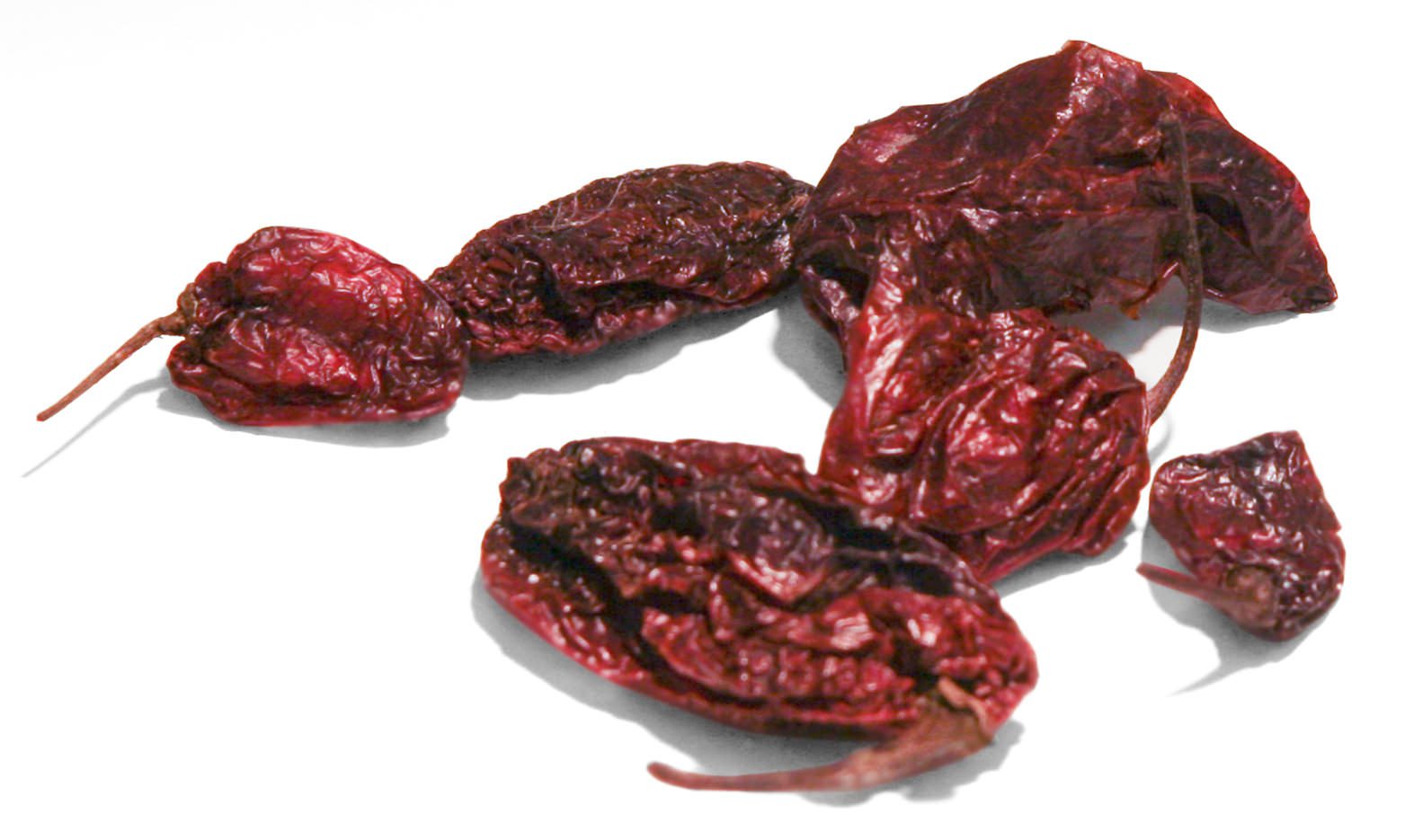
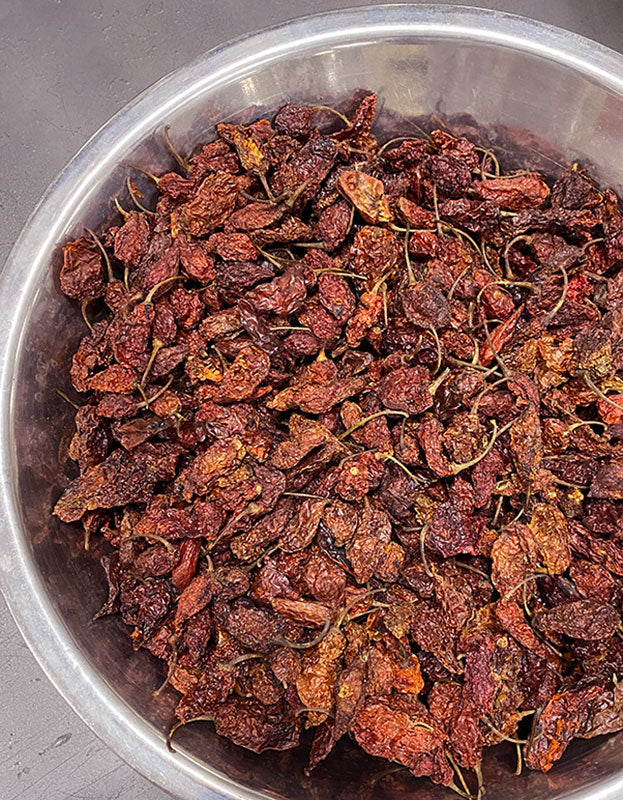
🌶️ Dried Ghost Pepper

-
Concentrated smokiness
-
Raisin / leather notes
-
Easier to control dosage
Best for:
-
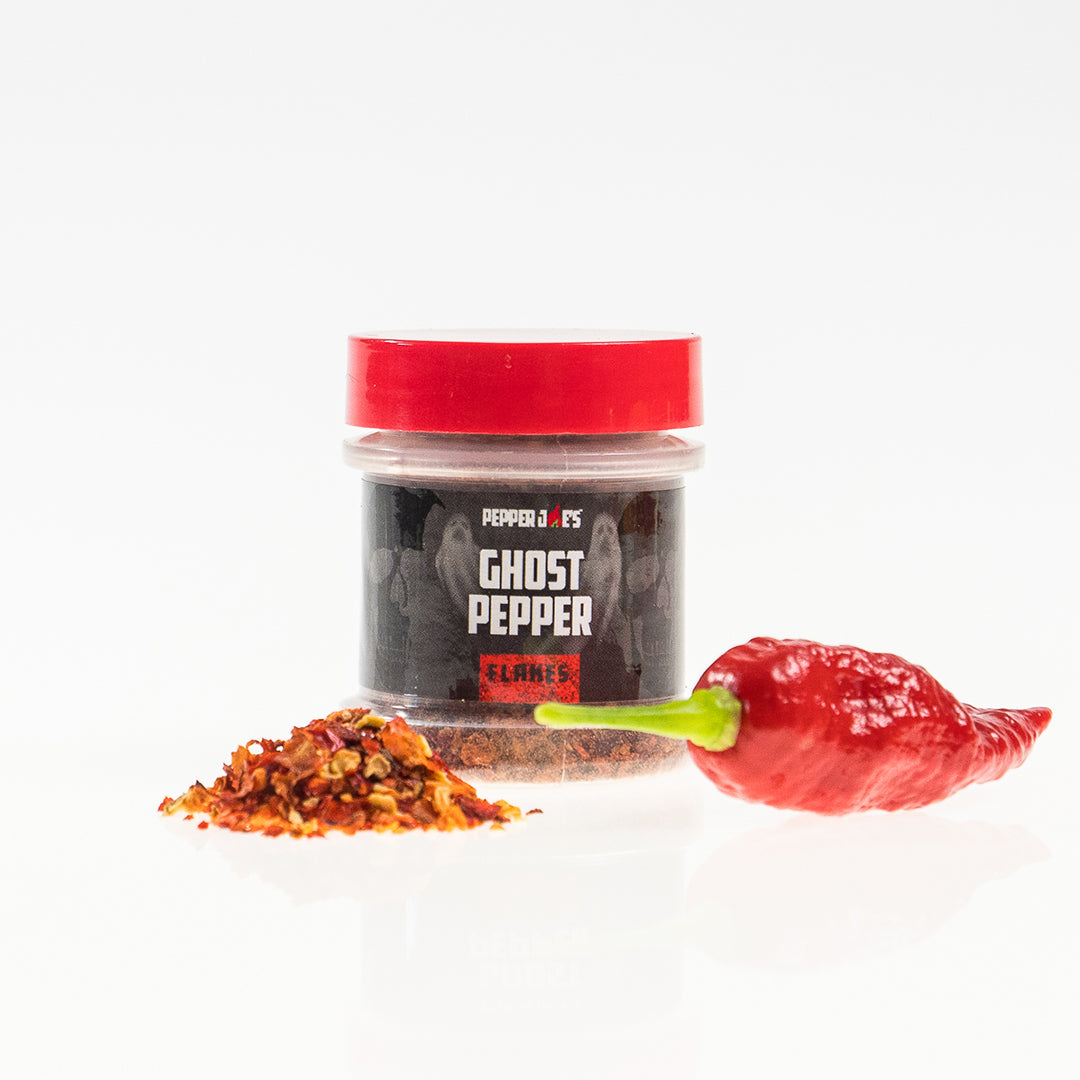
BBQ rubs
-
Dry seasoning blends
-
Chili bases
This is the BBQ sweet spot.
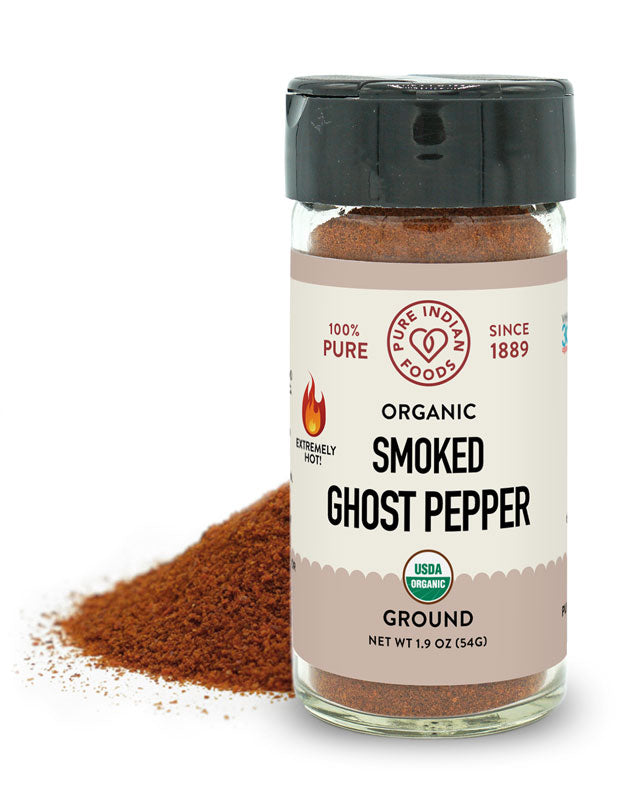
🌶️ Smoked Ghost Pepper
-
Deep, campfire aroma
-
Almost chipotle-like depth (but hotter)
-
Extremely potent
Best for:
-
Small-batch sauces
-
Finishing powders
-
Blending with milder peppers
How to Use Ghost Pepper in BBQ (Without Overdoing It)
Rule #1: Ghost Pepper Is a Background Note
Ghost pepper should:
-
Enhance smoke
-
Extend finish
-
Deepen warmth
It should never be the first flavor you notice.
Best BBQ Applications for Ghost Pepper
🔥 1. Ghost Pepper BBQ Sauce (The Right Way)

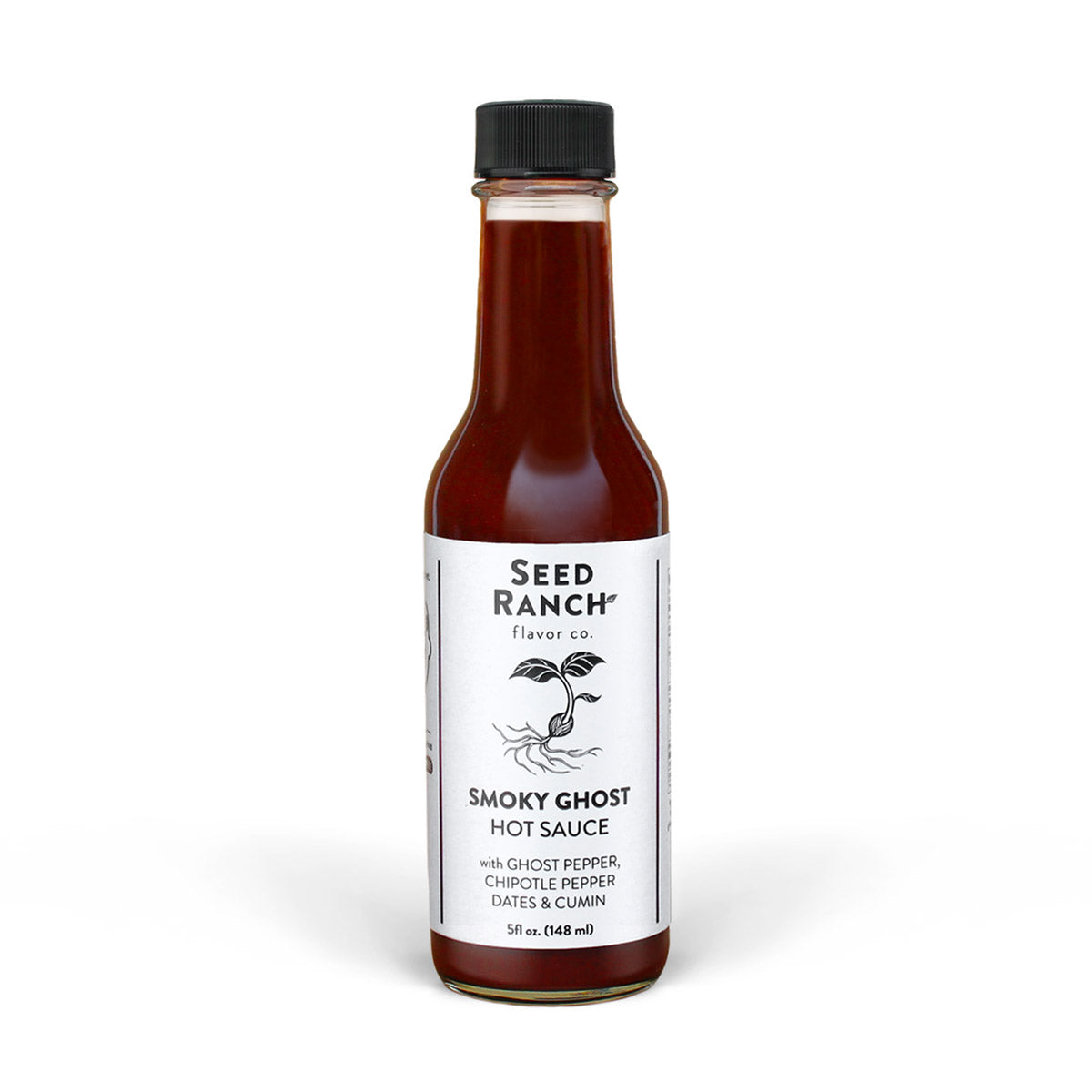
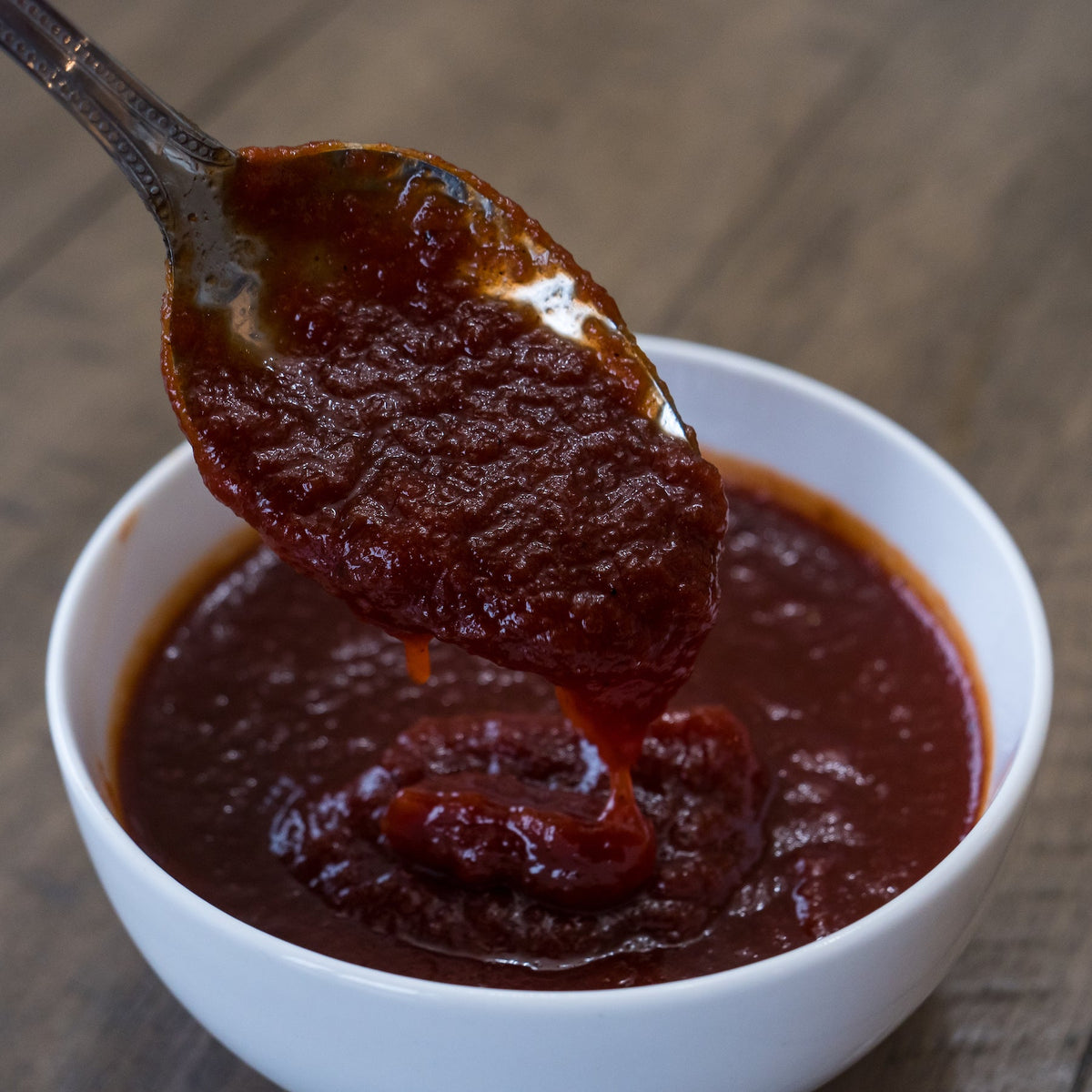
Ideal Sauce Profile
-
Tomato or molasses base
-
Brown sugar or honey
-
Vinegar (but not dominant)
-
Smoke (liquid or wood)
-
Very low ghost pepper ratio
Recommended pepper strategy
-
Base pepper: ancho, guajillo, or chipotle
-
Heat booster: ghost pepper at 0.2–1%
This keeps the sauce rich, smoky, and addictive — not punishing.
🍖 2. Dry Rubs & Seasoning Blends
Ghost pepper shines in dry applications because you control distribution.
Winning Rub Formula
-
Paprika (sweet or smoked)
-
Brown sugar
-
Salt
-
Black pepper
-
Garlic powder
-
Onion powder
-
Ghost pepper powder: 0.1–0.5%
This creates a slow burn bark that builds as you eat.
🥩 3. Beef & Game Meats (Where Ghost Pepper Excels)
Best proteins:
-
Brisket
-
Beef ribs
-
Short ribs
-
Venison
-
Lamb
Why it works:
-
Fat softens heat
-
Beef loves earthiness
-
Smoke + ghost pepper = depth, not brightness
🍗 4. Poultry (Use Carefully)
Chicken and turkey are more delicate.
Best approach
-
Use ghost pepper in the sauce, not the rub
-
Apply late (glaze phase)
-
Balance with sweetness
Too much ghost pepper on poultry = metallic heat.
Ghost Pepper Dosage Guide (Very Important)
| Application | Safe Range |
|---|---|
| BBQ sauce | 0.2–1% |
| Dry rub | 0.1–0.5% |
| Chili | 0.3–1% |
| Glaze | Drops, not teaspoons |
| Oil infusion | 1 pod per liter (max) |
If you can taste ghost pepper clearly, you used too much.
Ghost Pepper vs Other BBQ Peppers
| Pepper | BBQ Role |
|---|---|
| Chipotle | Smoky base |
| Ancho | Sweet depth |
| Guajillo | Bright backbone |
| Habanero | Fruity heat |
| Ghost pepper | Lingering finish |
Ghost pepper is a finisher, not a foundation.
Common Ghost Pepper BBQ Mistakes
❌ Using it as the main pepper
✔ Always blend with milder chiles
❌ Adding early and cooking too long
✔ Add late or use dried powder
❌ Pairing with high vinegar
✔ Balance with sugar and fat
❌ Using for shock value
✔ Use for depth and memory
Why Ghost Pepper Heat Feels “Smokier” Than Others
Ghost pepper contains compounds that:
-
Bind well to fats
-
Linger on the palate
-
Release slowly with heat
That’s why:
-
It feels warmer over time
-
Smoke seems stronger
-
The finish lasts through the meal
This makes ghost pepper perfect for BBQ tasting arcs, where flavor unfolds bite after bite.
When NOT to Use Ghost Pepper in BBQ
Avoid ghost pepper if:
-
The sauce is vinegar-forward
-
The dish is meant to be bright or fresh
-
You want mass-market mild appeal
-
You’re making green or herb-based sauces
Ghost pepper is dark and brooding, not playful.
Final Verdict: Ghost Pepper’s True BBQ Role
Ghost pepper isn’t a novelty pepper for BBQ.
Used correctly, it is:
-
A smoke amplifier
-
A depth enhancer
-
A long-finishing heat
Think of ghost pepper like a bass note in music.
You don’t notice it immediately — but without it, the song feels empty.
If you want BBQ that people remember — not just survive — ghost pepper is one of the most powerful tools you can use.
Try our Hot Sauce Line


