


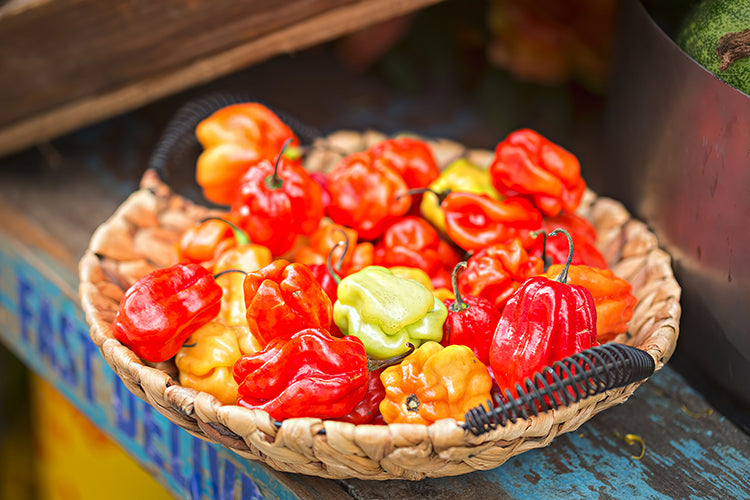
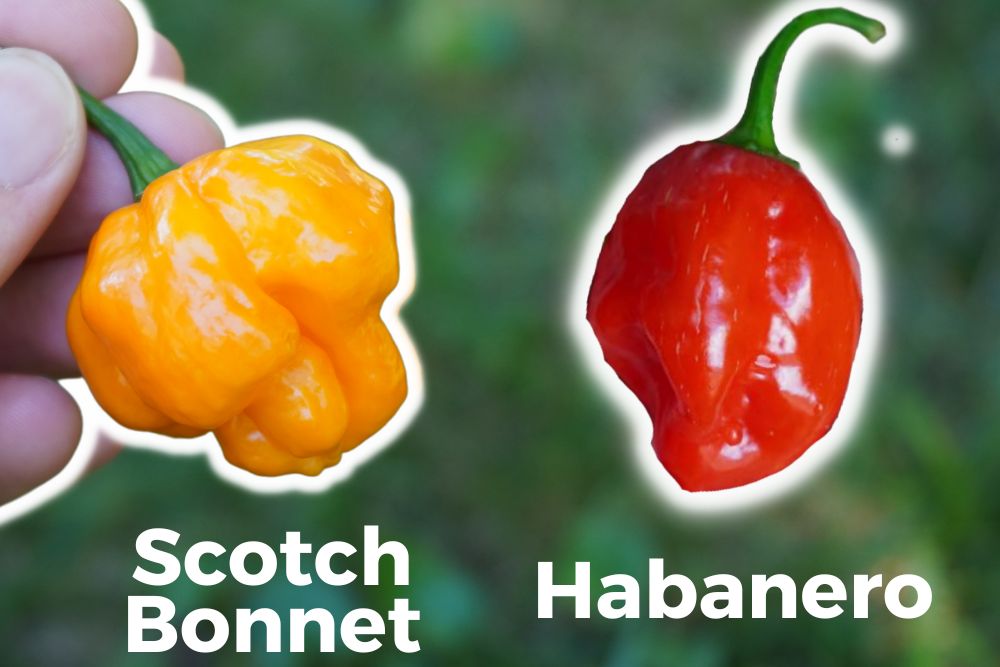
Habanero and Scotch bonnet are often treated as interchangeable. They share similar heat levels, look alike, and even come from the same pepper family. Many recipes casually say “use habanero or Scotch bonnet” as if the result will be the same.
It won’t.
If you care about flavor, aroma, balance, and sauce style, these peppers behave very differently. This guide is a flavor-first comparison, not a Scoville flex. We’ll break down how each pepper actually tastes, how they perform in hot sauce, and which one to choose depending on your goal.
If you’ve ever wondered why two sauces with the same SHU taste completely different, this is why.
Quick Snapshot: Habanero vs Scotch Bonnet

| Category | Habanero | Scotch Bonnet |
|---|---|---|
| Heat | 100k–350k SHU | 100k–350k SHU |
| Flavor profile | Fruity, citrusy, floral | Sweet, tropical, rounded |
| Sweetness | Medium | Higher |
| Aroma | Sharp, bright | Soft, aromatic |
| Garlic compatibility | Moderate | Excellent |
| Fruit sauces | Excellent | Exceptional |
| Savory sauces | Very good | Limited |
| Fermentation | Gets fruitier | Gets sweeter |
| Best use | All-around sauces | Caribbean & tropical |
Same heat range. Very different personalities.
Understanding the Shared DNA (Why They’re Confused)
Habanero and Scotch bonnet are both part of the Capsicum chinense species. That explains:
-
Similar heat levels
-
Similar wrinkled shapes
-
Similar aroma strength
But within that species, cultivar genetics change sugar levels, aromatic compounds, and how heat presents on the tongue.
Think of them like:
-
Habanero = dry white wine
-
Scotch bonnet = tropical cocktail
Flavor Breakdown: What They Actually Taste Like
🌶️ Habanero Flavor Profile

Primary notes
-
Apricot
-
Mango skin
-
Citrus peel
-
Light floral heat
How the flavor hits
-
Fruity aroma first
-
Bright flavor on the tongue
-
Heat builds quickly
-
Clean, lingering finish
Habanero’s defining trait is clarity. You can taste what else is in the sauce.
🌶️ Scotch Bonnet Flavor Profile


Primary notes
-
Tropical fruit
-
Bell pepper sweetness
-
Banana / melon undertones
-
Rounded warmth
How the flavor hits
-
Sweet aroma immediately
-
Flavor and heat arrive together
-
Softer burn
-
Shorter finish
Scotch bonnet tastes complete on its own — almost sauce-ready.
Sweetness vs Brightness (The Core Difference)
This is the most important distinction.
Habanero = Brightness
-
Higher perceived acidity
-
Sharper flavor edges
-
Works well with vinegar and citrus
-
Excellent contrast pepper
Scotch Bonnet = Sweetness
-
Higher natural sugar perception
-
Softer edges
-
Less need for added sugar
-
Dominant pepper flavor
Translation:
Habanero plays well with others. Scotch bonnet likes to be the star.
Garlic Compatibility (Huge for Sauce Makers)
Habanero + Garlic
-
Best with roasted or fermented garlic
-
Raw garlic can clash
-
Needs balance (fat, carrot, vinegar)
Scotch Bonnet + Garlic
-
Exceptional pairing
-
Sweetness softens garlic sharpness
-
Common in Caribbean sauces for a reason
If garlic is front-and-center, Scotch bonnet has an edge — but only in the right style.
Fruit-Forward Sauce Performance

Habanero in Fruit Sauces
-
Amplifies fruit brightness
-
Keeps sauce from tasting candy-sweet
-
Ideal for mango, pineapple, passionfruit
Scotch Bonnet in Fruit Sauces
-
Deepens sweetness
-
Feels richer and rounder
-
Can become dessert-like if overdone
Rule of thumb
-
Want balance? → Habanero
-
Want lush tropical sweetness? → Scotch bonnet
Savory & Non-Sweet Sauces
This is where the gap widens.
Habanero Wins At:
-
Garlic sauces
-
Carrot-based sauces
-
Vinegar table sauces
-
Green sauces (when unripe)
-
Fermented savory sauces
Scotch Bonnet Struggles With:
-
Heavy vinegar
-
Very savory profiles
-
Smoky sauces
-
Minimalist pepper-only sauces
Scotch bonnet almost expects sweetness. Without it, it can feel flat.
Fermentation Behavior (Often Overlooked)

Habanero Fermentation
-
Fruitiness increases
-
Heat smooths out
-
Aroma becomes more complex
-
Excellent long ferments
Scotch Bonnet Fermentation
-
Sweetness intensifies
-
Funk can overpower if over-fermented
-
Shorter ferments work best
Fermentation takeaway
-
Long ferment → Habanero
-
Short, controlled ferment → Scotch bonnet
Heat Perception (Same SHU, Different Feel)
Although they share the same Scoville range, they feel different.
Habanero Heat
-
Faster onset
-
More direct burn
-
Lingers longer
-
Feels “hotter” to many people
Scotch Bonnet Heat
-
Softer entry
-
Heat wrapped in sweetness
-
Shorter duration
-
Feels more approachable
This is why Scotch bonnet sauces are often described as hot but friendly.
Which Pepper Is More Versatile?
Habanero: The All-Around Workhorse
Choose habanero if you want:
-
One pepper for many sauces
-
Broad customer appeal
-
Flexibility across styles
-
Easier scaling and reformulation
Scotch Bonnet: The Specialist
Choose Scotch bonnet if you want:
-
Authentic Caribbean flavor
-
Tropical sweetness
-
A signature sauce identity
-
Less need for added sugar
Common Substitution Mistakes
❌ Swapping 1:1 without adjusting sugar
✔ Reduce sweetness when replacing bonnet with habanero
❌ Using Scotch bonnet in vinegar-heavy sauce
✔ Increase fruit or fat to balance
❌ Treating habanero like a superhot
✔ Use it as a flavor pepper, not a stunt
Best Use-Case Scenarios
Choose Habanero If You’re Making:
-
Flagship hot sauce
-
Garlic hot sauce
-
Fermented hot sauce
-
Multi-SKU product line
-
Bright, balanced sauces
Choose Scotch Bonnet If You’re Making:
-
Jamaican-style sauces
-
Pineapple or mango sauces
-
Caribbean jerk sauces
-
Coconut-based sauces
-
Sweet-heat table sauces
Final Verdict: Flavor-First Answer
This isn’t about which pepper is “better.”
It’s about what you want people to taste first.
If you want clarity, balance, and versatility — choose habanero.
If you want sweetness, warmth, and tropical identity — choose Scotch bonnet.
They share heat.
They do not share purpose.
Master both — but don’t confuse them.
Try our Hot Sauce Line


