


If you could only choose one pepper to build a hot sauce brand around, it would be the habanero.
Not the hottest. Not the trendiest. But hands-down the most versatile, reliable, and commercially successful hot sauce pepper in the world.
While many articles obsess over Scoville Heat Units (SHU), they miss what actually matters in sauce-making: flavor chemistry, balance, fermentation behavior, and mass appeal. This guide breaks down why habanero outperforms every other pepper across almost every hot sauce category—from tropical to garlic, green to fermented.
If you want a sauce that people buy again, this is the pepper to understand.
What Makes a Pepper Truly “All-Around”?
To earn the title of best all-around hot sauce pepper, a chili must:
-
Taste good raw, cooked, and fermented
-
Pair with sweet, savory, acidic, and fatty foods
-
Scale from mild-medium to extreme heat
-
Appeal to both casual consumers and heat lovers
-
Stay stable in color, aroma, and texture
Very few peppers check all those boxes.
Habanero does.
Meet the Habanero


Scoville Heat: 100,000–350,000 SHU
Origin: Yucatán Peninsula
Primary Flavor Notes: Apricot, mango, citrus, floral
Common Colors: Orange, red, chocolate, white, peach
Despite its reputation, habanero isn’t just about heat. In fact, its flavor shows up before the burn, which is rare in peppers at this level.
1. Habanero Has Real Flavor (Not Just Heat)
Most peppers fall into one of two camps:
-
Mild with flavor
-
Hot without flavor
Habanero is the rare exception.
Why habanero tastes different
Habaneros contain high levels of fruity esters—aromatic compounds that give notes of:
-
Tropical fruit
-
Citrus peel
-
Floral sweetness
This is why habanero works in:
-
Mango sauce
-
Garlic sauce
-
Carrot-based sauce
-
Vinegar-forward sauce
-
Creamy sauces
-
Oil-based sauces
If a pepper tastes good before it burns, it belongs in sauce.
Habanero passes that test.
2. It Works in More Sauce Styles Than Any Other Pepper
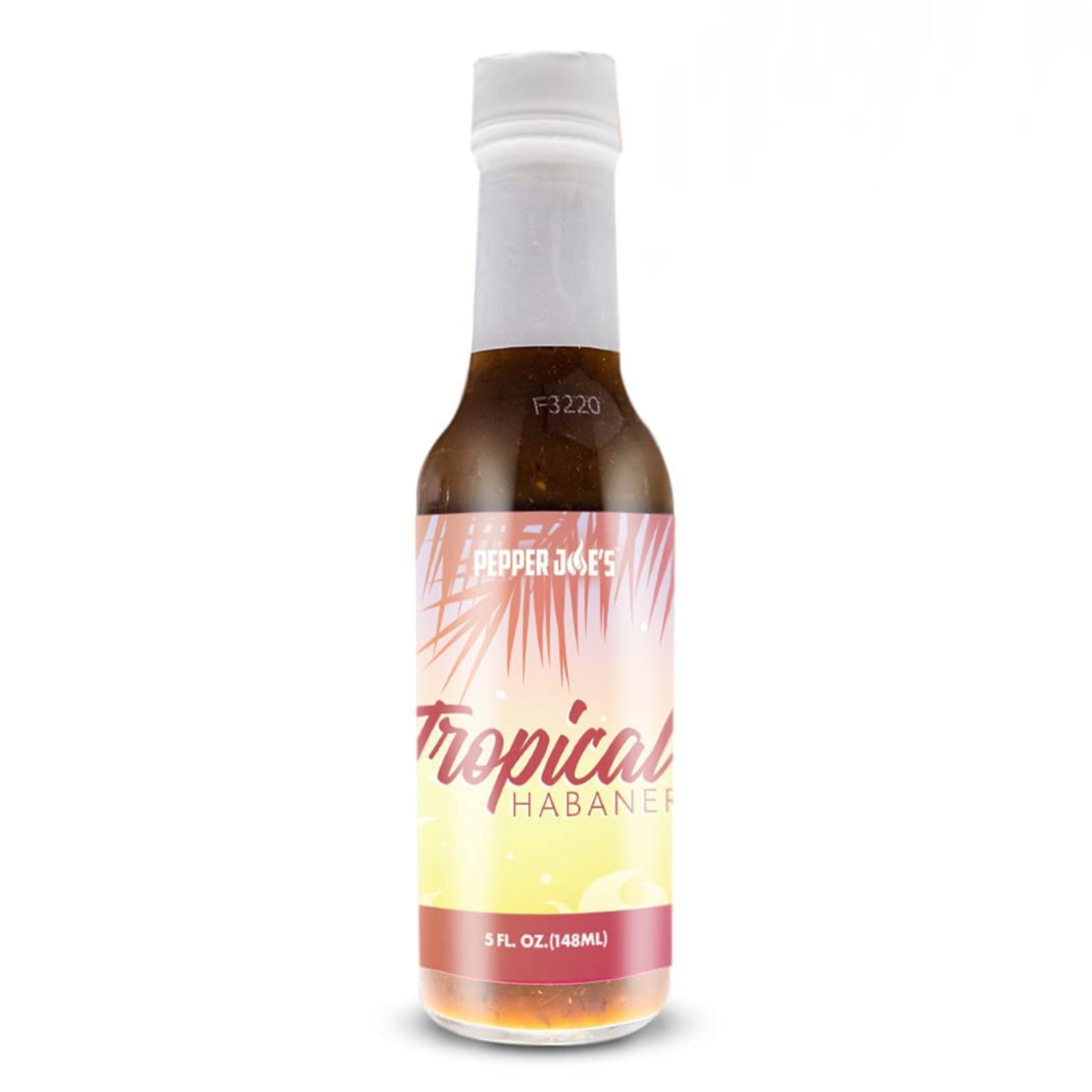
🌴 Tropical Sauces


-
Mango
-
Pineapple
-
Papaya
-
Passionfruit
-
Orange
Habanero doesn’t fight fruit—it amplifies it.
🧄 Garlic-Forward Sauces


Used correctly (≤15–30%), habanero adds warmth and aroma without overpowering garlic—especially when garlic is roasted or fermented.
🌱 Green Sauces
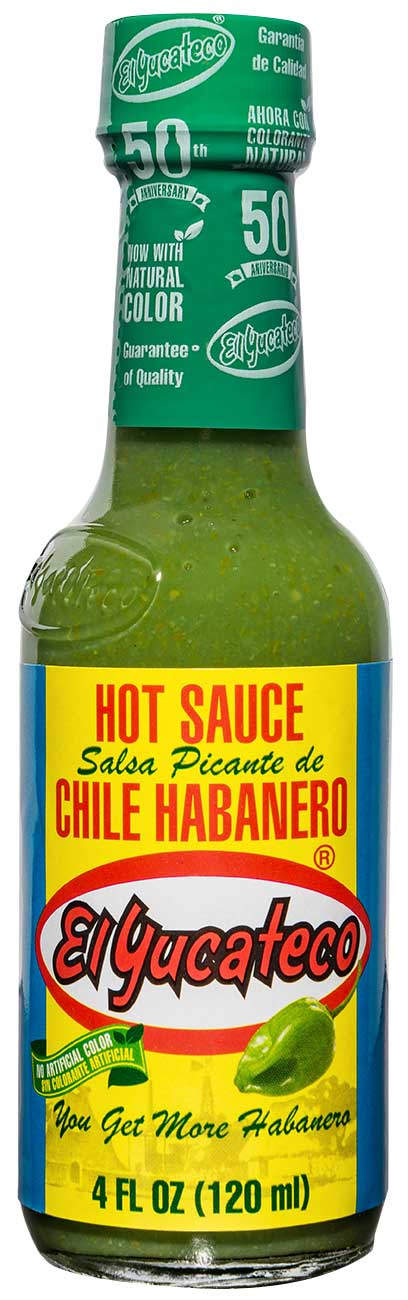
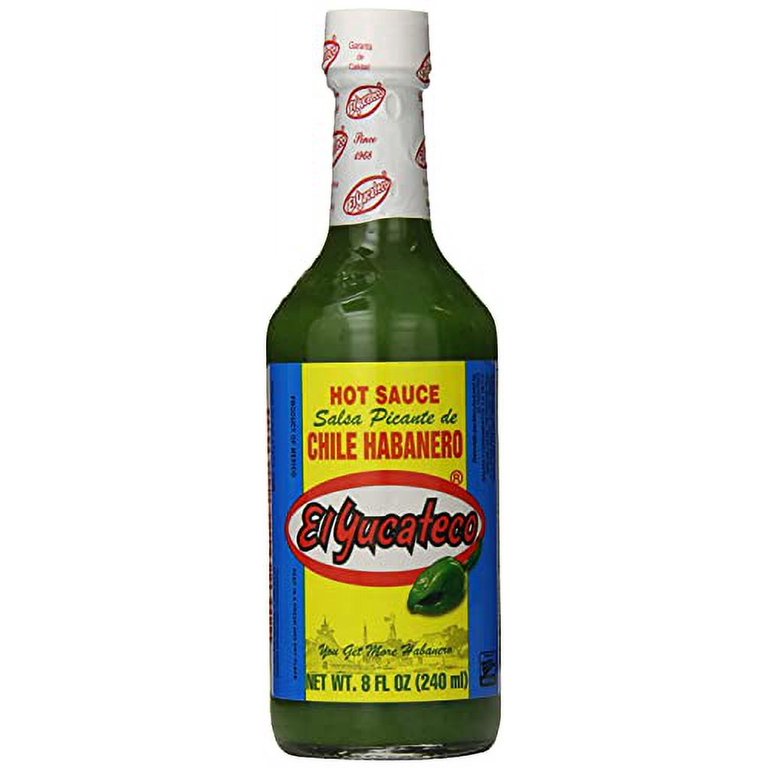
Unripe green habaneros bring sharp, bright heat that pairs well with:
-
Lime
-
Cilantro
-
Tomatillo
🔥 Fermented Hot Sauces
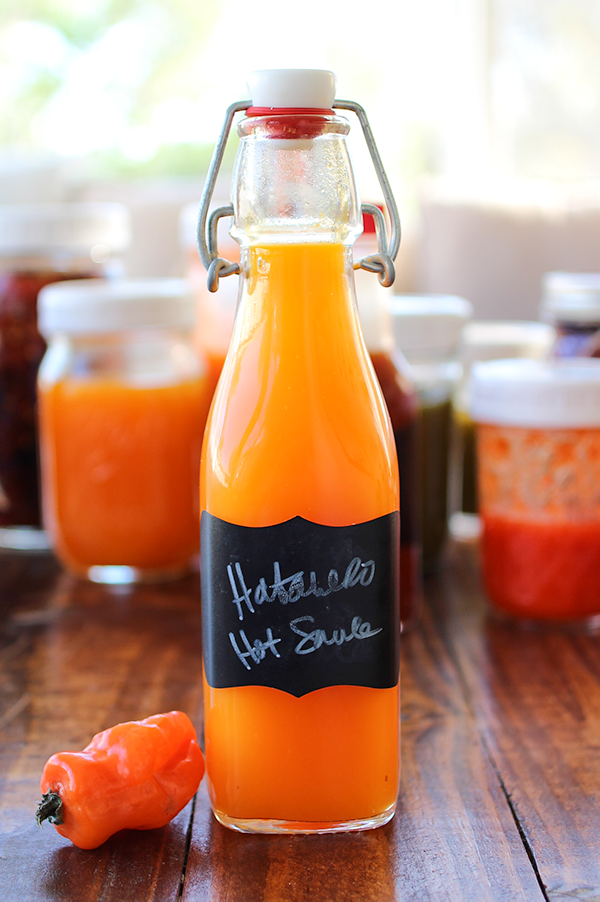
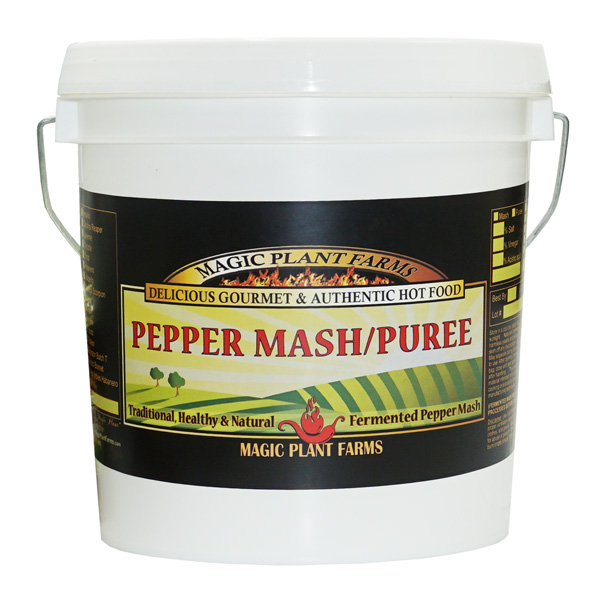
Habanero gets better with fermentation:
-
Fruitiness increases
-
Heat smooths out
-
Acidity enhances aroma
Very few peppers improve this much after fermentation.
3. The Heat Is Strong—but Forgiving
On paper, habanero looks intimidating.
In practice, it’s ideal.
Why habanero heat works
-
Immediate warmth, not delayed shock
-
Smooth curve, not jagged spikes
-
Lingering glow, not throat punch
This allows you to:
-
Dilute heat with fruit, carrot, vinegar, or oil
-
Scale intensity without ruining flavor
-
Create sauces that feel hot but stay enjoyable
Compare that to:
-
Ghost pepper → overwhelming
-
Cayenne → flat heat
-
Serrano → sharp, short burn
Habanero sits perfectly in the middle.
4. It’s the Most Forgiving Pepper for Recipe Development
If you’re experimenting, habanero gives you margin for error.
Habanero tolerates:
-
Over-blending
-
Over-fermentation
-
High vinegar ratios
-
Sweeteners (honey, sugar, agave)
-
Fat (oil, dairy, egg yolk)
Many peppers turn bitter, muddy, or metallic under these conditions.
Habanero stays clean.
5. Color That Sells on the Shelf
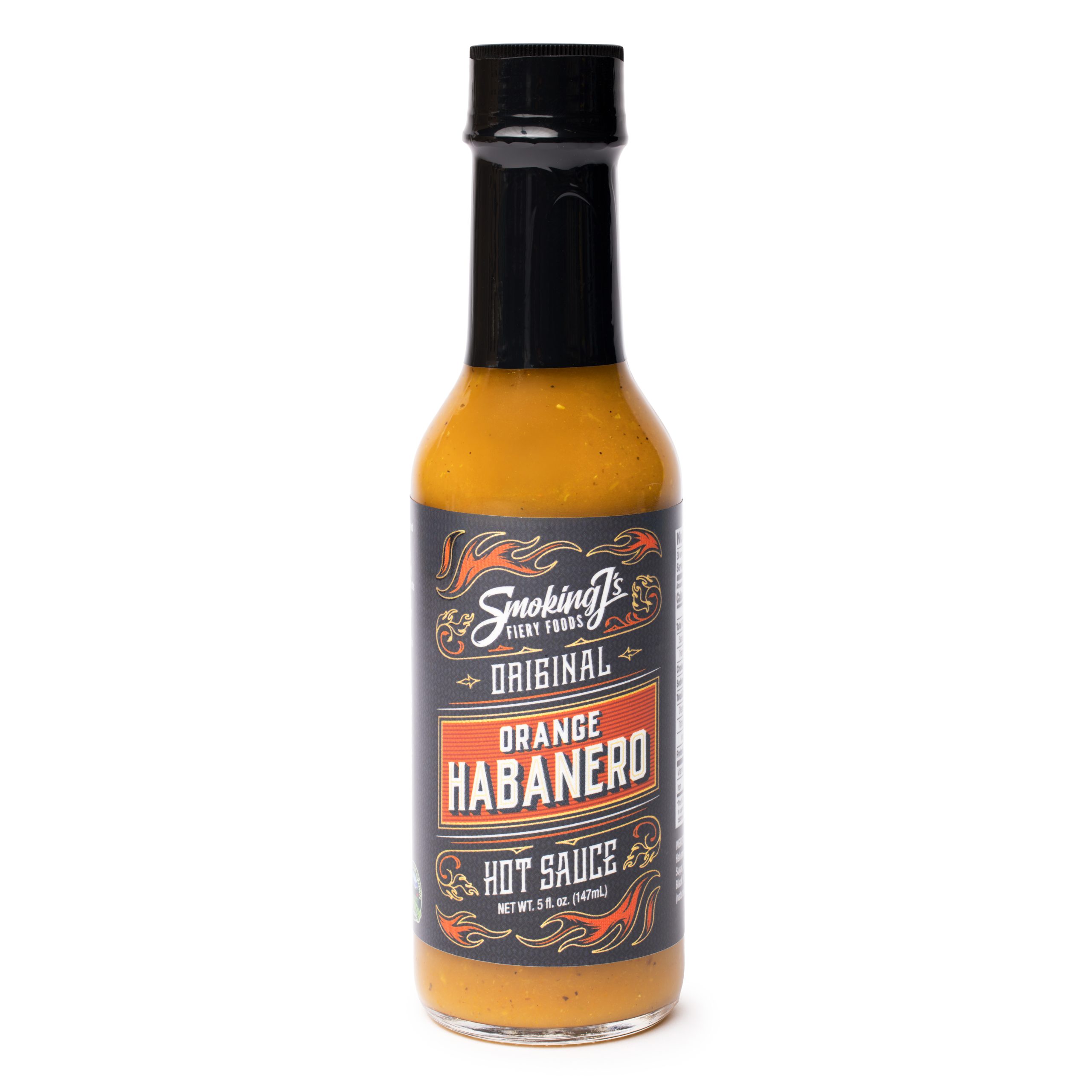

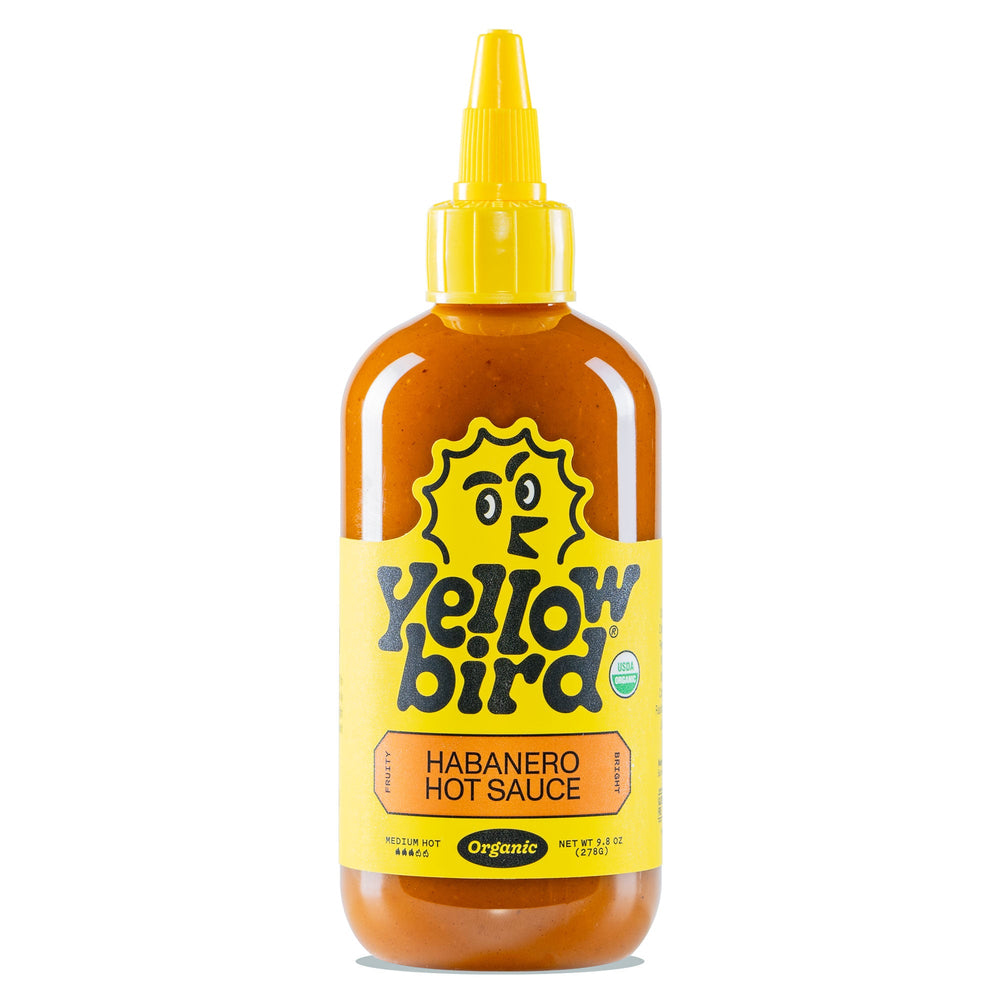
Color matters for conversion—online and in stores.
Habanero delivers:
-
Bright orange (most iconic)
-
Vibrant red
-
Golden yellow
-
Deep chocolate brown
These colors:
-
Signal heat visually
-
Photograph extremely well
-
Stay stable over time
For branding, habanero is a cheat code.
6. It Scales from Mild to Extreme Without Changing Identity
You can use habanero at:
-
5% → mild, flavorful sauce
-
25% → medium-hot bestseller
-
60%+ → heat-seeker sauce
The sauce still tastes like itself at every level.
Most peppers lose identity when diluted or overused.
7. It’s Proven by the Market (Not Just Chefs)
Look at top-selling sauces across categories:
-
Mango habanero
-
Carrot habanero
-
Garlic habanero
-
Fermented habanero
-
Smoky habanero
This isn’t coincidence—it’s repeatable success.
Habanero hits the sweet spot between:
-
Flavor
-
Heat
-
Familiarity
-
Excitement
That’s why it dominates shelves.
Common Mistakes When Using Habanero (And How to Avoid Them)
❌ Using too much raw garlic
✔ Roast or ferment garlic first
❌ Treating it like a superhot
✔ It’s a flavor pepper, not a stunt
❌ Pairing with grassy greens
✔ Use citrus, carrot, fruit, or vinegar
❌ Ignoring membrane control
✔ Remove membranes to fine-tune heat
Best Habanero Pairings (Quick Reference)
| Ingredient | Result |
|---|---|
| Mango | Sweet heat classic |
| Carrot | Smooth, savory base |
| Garlic | Bold, addictive |
| Pineapple | Bright tropical |
| Vinegar | Clean table sauce |
| Lime | Sharp, fresh |
| Honey | Balanced heat |
Final Verdict: Why Habanero Wins
If you strip away hype, trends, and SHU flexing, the answer is clear:
Habanero is the most complete hot sauce pepper ever grown.
It’s flavorful, versatile, forgiving, scalable, fermentable, and proven.
Whether you’re:
-
A home sauce maker
-
A Shopify brand
-
A restaurant
-
Or building your flagship product
Start with habanero. Master it. Then branch out.
Try our Hot Sauce Line


