


Hot sauce didn’t start in a factory — it started with people, peppers, and preservation. Long before labels and Scoville numbers, cultures around the world were crushing chiles with salt, fermenting them for survival, and discovering that heat could transform food.
This is the complete history of hot sauce around the world — where it began, how it spread, and why nearly every cuisine today has its own fiery signature.

The Origin of Heat: Chili Peppers in the Americas
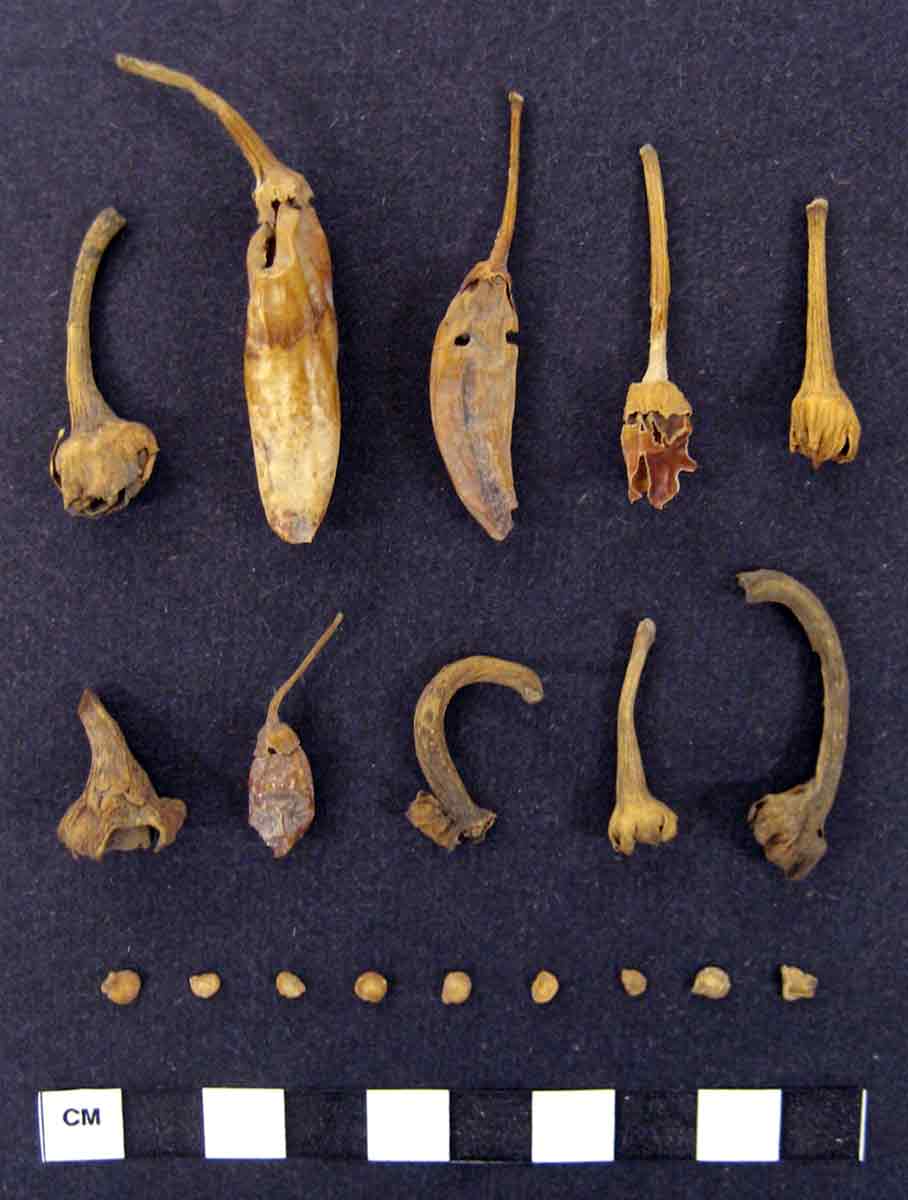
All true hot sauces trace back to chili peppers, which are native to the Americas. Archaeological evidence shows chiles were cultivated as early as 6,000–7,000 years ago in regions that are now Mexico, Central America, and South America.
Early Uses of Chiles
-
Crushed into pastes
-
Mixed with water or vinegar-like ferments
-
Used for flavor, preservation, and medicine
Ancient civilizations didn’t just tolerate spice — they valued it.
Mesoamerica: The First Hot Sauces
🌶️ Aztecs & Mayans
The Aztecs and Mayans were likely the first hot sauce makers.
They created early chile sauces using:
-
Fresh or dried chiles
-
Salt
-
Tomatoes
-
Herbs
These sauces were poured over meats, grains, and vegetables — not unlike modern hot sauce.
🔥 For the Aztecs, chiles were so important they were used as taxes and currency.
The Columbian Exchange: How Heat Went Global
Everything changed in the late 1400s.
When Christopher Columbus reached the Americas, he encountered chili peppers and brought them back to Europe. This began the Columbian Exchange, one of the most influential food migrations in history.
Within decades, chiles spread to:
-
Europe
-
Africa
-
India
-
Southeast Asia
-
China
🌍 Chili peppers adapted quickly, and local cultures made them their own.
Europe: Vinegar, Preservation & Early Bottling
In Europe, chiles were paired with vinegar, which:
-
Preserved sauces longer
-
Fit existing pickling traditions
-
Created the foundation for modern vinegar-based hot sauce
By the 18th and 19th centuries, pepper sauces were common in England and France, often sold as tonics or digestive aids.
This influence later shaped Louisiana-style hot sauces in the United States.
The Caribbean: Heat Meets Fruit & Fermentation
The Caribbean developed some of the most flavorful hot sauces in the world.
Caribbean Hot Sauce Traditions
-
Scotch bonnet peppers
-
Tropical fruits (mango, papaya, pineapple)
-
Mustard, vinegar, and fermentation
These sauces were bold, fragrant, and fiery — designed to complement seafood and grilled meats.
🔥 Caribbean sauces helped define the fruit-forward heat style still popular today.
Africa: Peri-Peri & Pepper Pastes
Chiles thrived in Africa’s climate.
African Contributions
-
Peri-peri (piri piri) sauces in Mozambique and Angola
-
Pepper pastes blended with citrus, garlic, and oil
-
Sauces used as both marinades and condiments
African hot sauces emphasized heat plus aroma, influencing modern grilling sauces worldwide.
Asia: Chili Sauces Become Staples
Asia didn’t just adopt chiles — it reinvented them.
🌶️ Southeast Asia
-
Chili pastes and sambals
-
Fermented chili sauces
-
Fish sauce + chile combinations
🌶️ China
-
Chili oil
-
Chili crisp
-
Fermented bean-and-chile sauces
🌶️ Korea
-
Gochujang, a fermented chili paste used for centuries
Asian chili sauces are often:
-
Less vinegary
-
More savory
-
Built for cooking, not just finishing
The United States: Birth of Modern Hot Sauce
Louisiana & the South
In the 1800s, hot sauce as we know it began to take shape in the American South.
Key factors:
-
Access to vinegar
-
Abundant cayenne peppers
-
French and Caribbean culinary influence
By the late 1800s:
-
Bottled hot sauces became commercially available
-
Louisiana-style sauces dominated
🔥 This era set the template for mass-produced hot sauce.
20th Century: Industrialization & Global Brands
As food manufacturing grew, hot sauce became:
-
Shelf-stable
-
Widely distributed
-
Standardized
Iconic styles emerged:
-
Louisiana-style vinegar sauces
-
Mexican chili sauces
-
Asian chili-garlic sauces
Hot sauce transitioned from regional condiment to global pantry staple.
The Craft Hot Sauce Renaissance (2000s–Present)
In the last two decades, hot sauce has exploded.
Why?
-
Interest in global flavors
-
Small-batch food culture
-
Obsession with heat levels
-
Online chilihead communities
Modern craft makers focus on:
-
Unique pepper varieties
-
Flavor-first recipes
-
Transparent ingredients
🔥 Hot sauce is no longer just “hot” — it’s culinary.
Hot Sauce Today: A Global Language of Flavor
Today, hot sauce represents:
-
Cultural identity
-
Personal taste
-
Culinary creativity
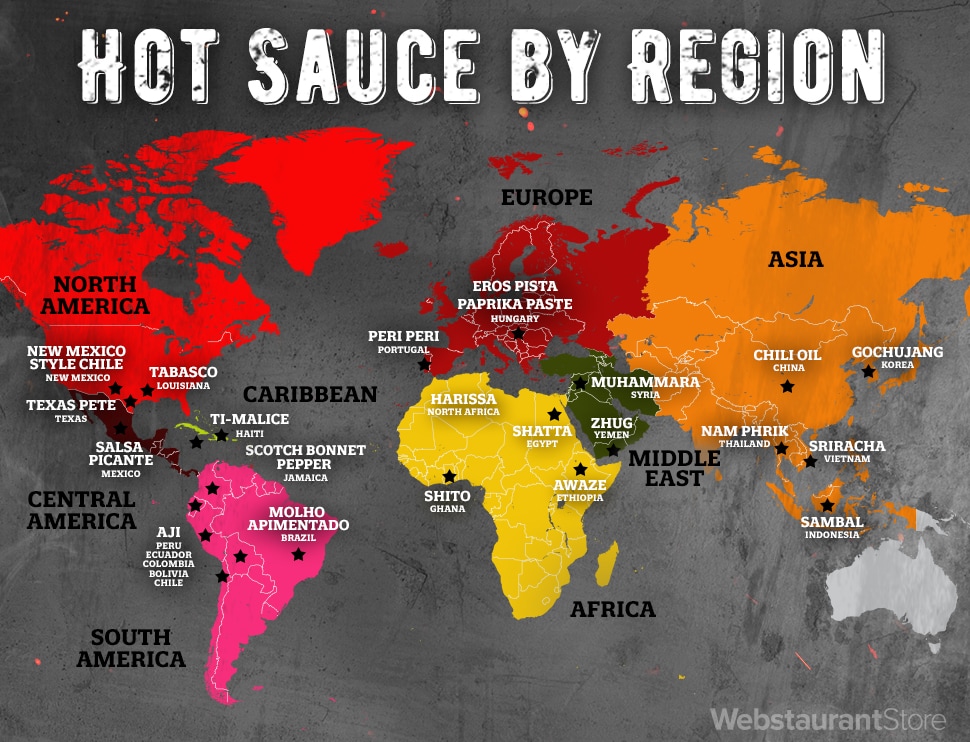
From Mexican salsas to Korean gochujang, from Caribbean scotch bonnet blends to African peri-peri, hot sauce tells a story of migration, adaptation, and shared love of flavor.
Frequently Asked Questions (FAQ)
Where did hot sauce originate?
In Mesoamerica, thousands of years ago.
Why do so many cultures use chili peppers?
They grow easily, preserve food, add flavor, and stimulate appetite.
Is vinegar-based hot sauce traditional?
Yes — especially in Europe and the southern United States.
Why is hot sauce popular worldwide today?
Global food exchange, cultural curiosity, and flavor-driven cooking.
Final Thoughts
The history of hot sauce around the world is the history of people sharing ideas through food. What began as crushed chiles for survival became one of the most beloved condiments on Earth.
Every bottle of hot sauce carries centuries of tradition — and a reminder that heat, when balanced with flavor, brings people together 🌶️🌍


