


Most guides on how to ferment hot sauce tell you what should happen.
Very few tell you what to do when things go wrong.
This guide fills the gaps other websites miss: real smells, real textures, real mistakes, and exact fixes. Whether you’re fermenting your first jar or troubleshooting a batch that looks… suspicious, this is the most practical, kitchen-tested resource you’ll find.
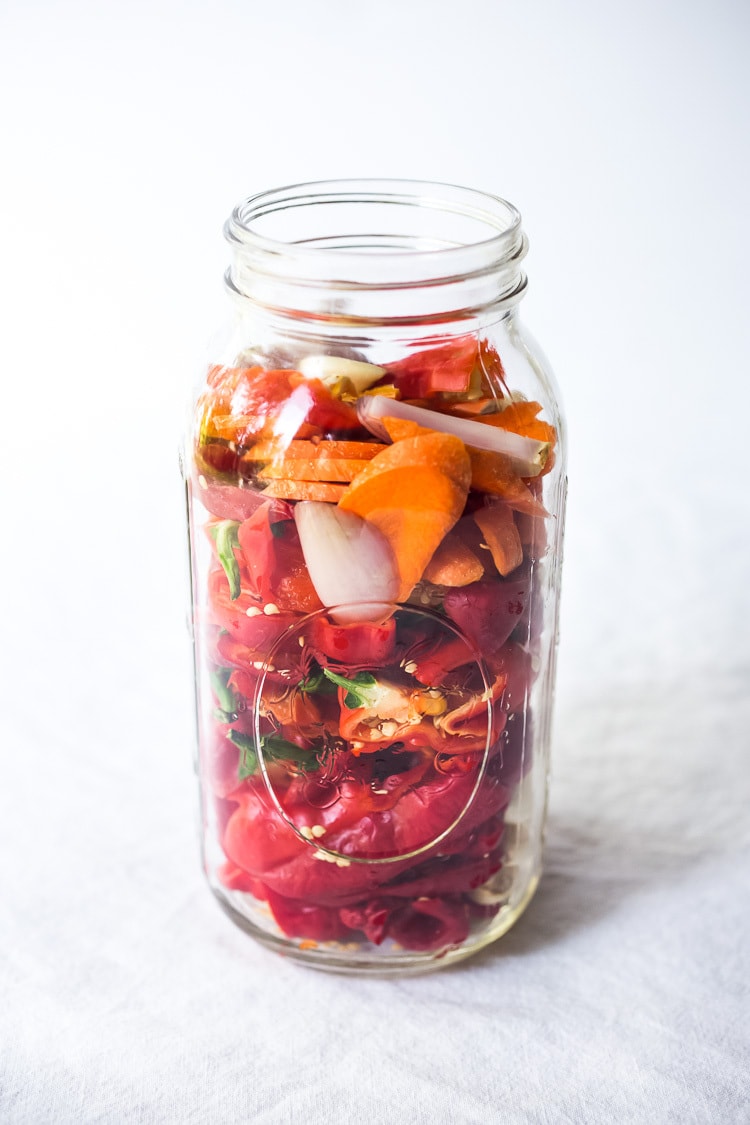
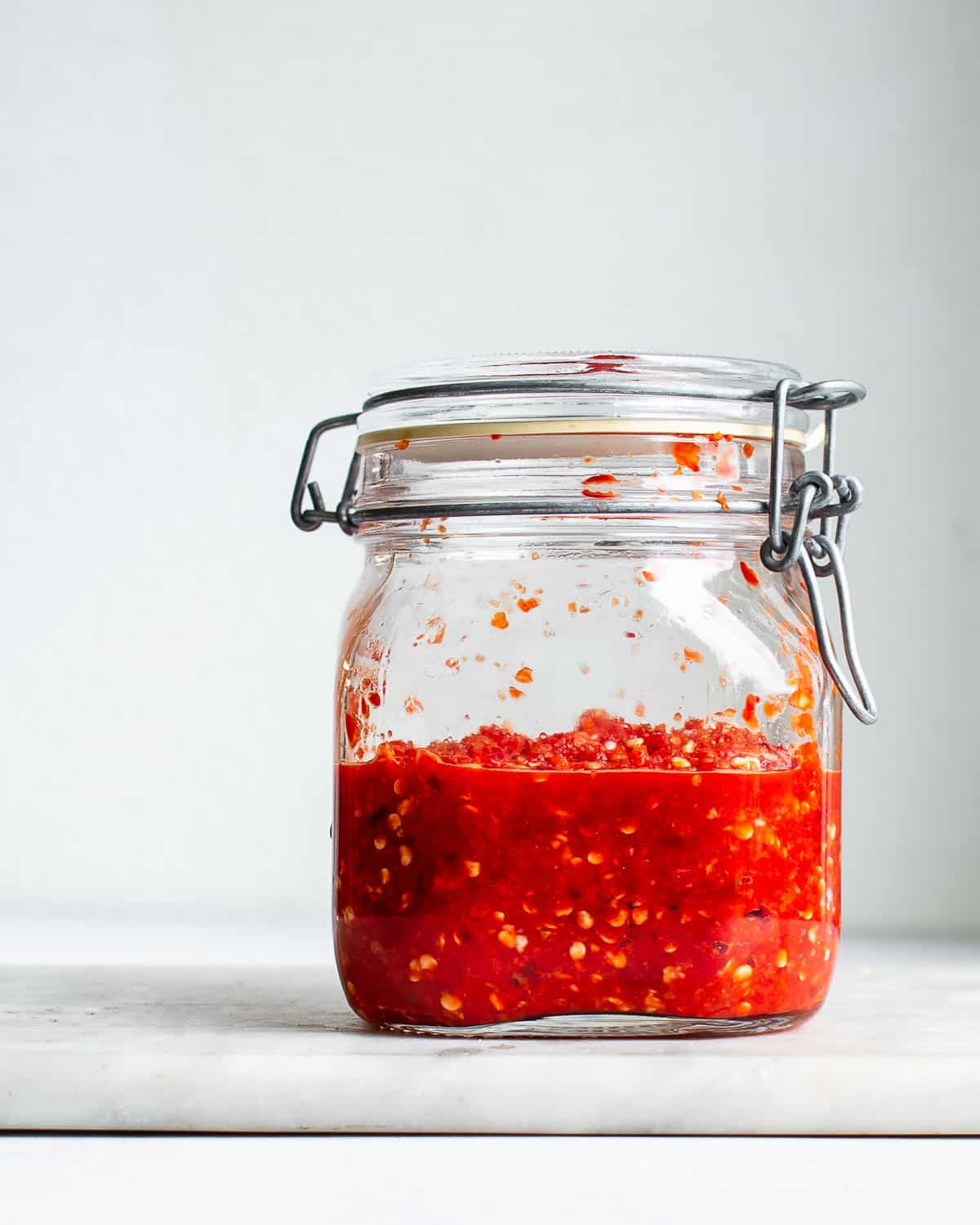
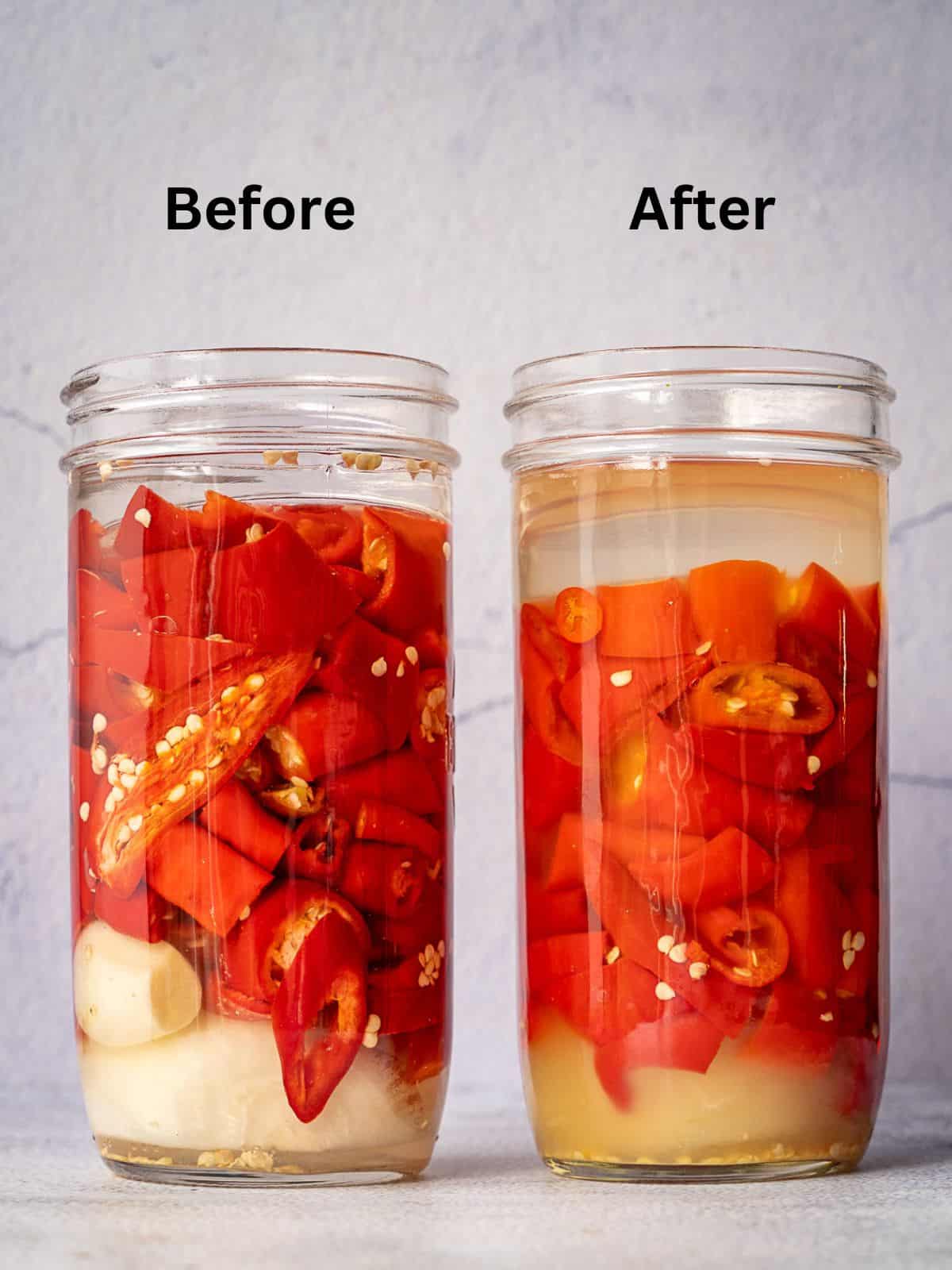
Why Ferment Hot Sauce in the First Place?
Fermentation isn’t just tradition — it’s chemistry.
Fermented hot sauce has:
-
Smoother, longer-lasting heat
-
Deeper umami flavor
-
Natural preservation (low pH)
-
Less harsh acidity than vinegar-only sauces
🔥 Fermentation transforms peppers instead of just suspending them in acid.
Fermentation Basics (Quick, Correct Overview)
Hot sauce fermentation is lacto-fermentation, powered by naturally occurring lactic acid bacteria.
They:
-
Consume sugars in peppers
-
Produce lactic acid
-
Lower pH (making sauce shelf-stable)
-
Suppress harmful bacteria
No yeast packets. No starter cultures required.
Step 1: Choose the Right Peppers (This Matters More Than You Think)
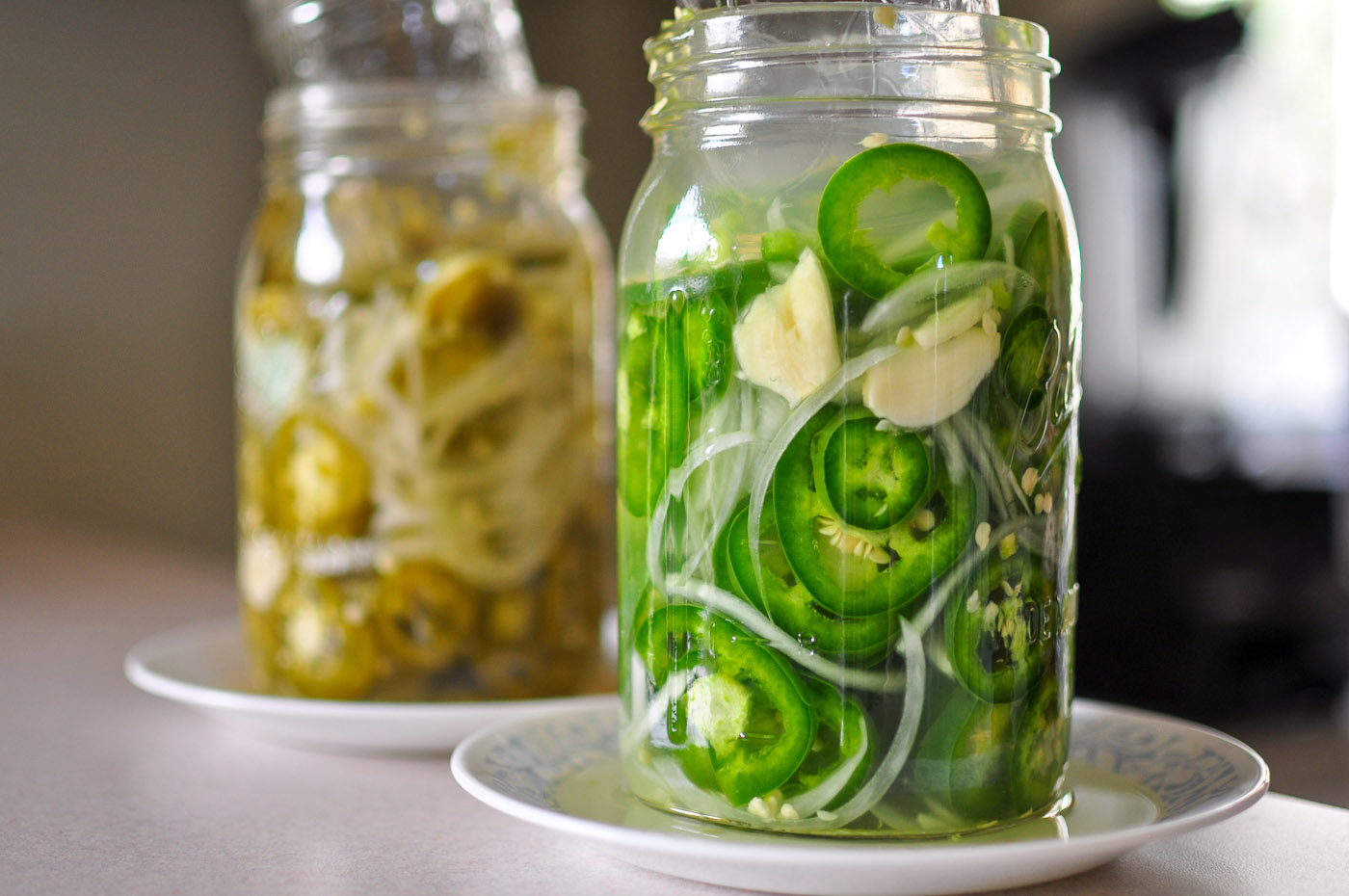

Best peppers for fermentation (reliable & forgiving):
-
Habanero (best overall)
-
Fresno
-
Jalapeño
-
Scotch bonnet
Avoid at first:
-
Very low-sugar peppers alone (green bell only)
-
Dried peppers without rehydration
-
Super-hots without blending (harder to control)
🔥 Sugar content = better fermentation.
Step 2: Brine vs Mash (Most Guides Don’t Explain the Tradeoff)
Option A: Brine Fermentation (Best for Beginners)
How it works:
Whole or chopped peppers submerged in saltwater.
Pros
-
Harder to mess up
-
Less oxidation
-
Easier mold control
Cons
-
Slightly less intense pepper flavor
Option B: Mash Fermentation (More Flavor, More Risk)
How it works:
Peppers blended with salt into a thick mash.
Pros
-
Stronger flavor
-
Faster fermentation
Cons
-
Easier to trap oxygen
-
Requires more attention
👉 If this is your first ferment: choose brine.
Step 3: Salt Percentage (The #1 Failure Point)
Most failed ferments trace back to incorrect salt.
Safe, Proven Ranges
-
2% salt → Faster ferment, more active
-
2.5% salt → Best balance (recommended)
-
3% salt → Slower, safer, more forgiving
Formula:
⚠️ Use non-iodized salt only (sea salt or kosher).
Step 4: Setup & Fermentation Environment


What you need:
-
Glass jar
-
Fermentation weight (or clean alternative)
-
Airlock lid or loose lid burped daily
Ideal conditions:
-
Temp: 65–75°F (18–24°C)
-
Dark location
-
No direct sunlight
What Should Happen (Normal Signs)
Within 2–5 days:
-
Bubbles rising
-
Cloudy brine
-
Slight sulfur smell (normal early)
-
Peppers floating (needs correction)
🔥 Activity = success.
REAL TROUBLESHOOTING (What Other Guides Skip)
This is the section most blogs don’t give you.
❗ Problem: White Film on Top (Kahm Yeast)


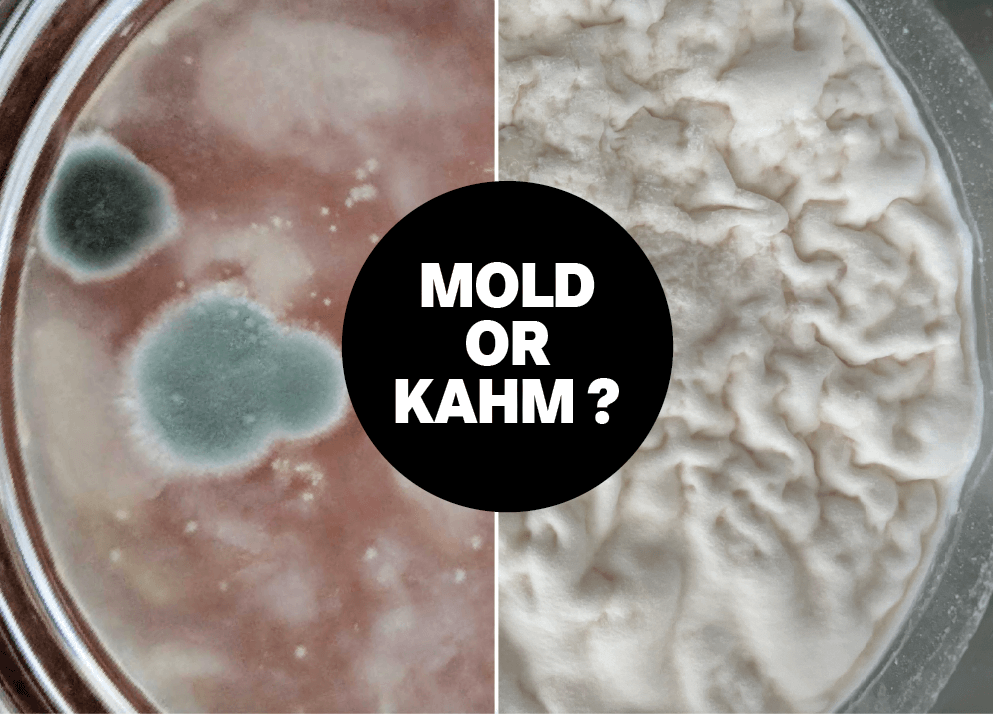
What it is:
Kahm yeast — harmless but undesirable.
How to identify:
-
White or off-white
-
Thin, flat, dusty
-
Smells yeasty or bready
What to Do
✅ Skim it off
✅ Increase salt slightly next time
✅ Ensure peppers are fully submerged
❌ Do NOT stir it in
Is it safe?
Yes — but flavor may dull.
🚫 Problem: Fuzzy or Colored Growth (REAL Mold)
How to identify:
-
Blue, green, black, pink
-
Fuzzy or hairy
-
Smells rotten or cheesy (bad way)
What to Do
❌ THROW IT OUT
❌ Do not scrape
❌ Do not taste
🔥 Mold penetrates below the surface.
❗ Problem: Ferment Smells Like Rotten Eggs (Sulfur)
Cause:
-
Normal early-stage bacteria activity
-
Often happens days 2–4
What to Do
✅ Wait 2–3 more days
✅ Gently swirl jar (do not open unnecessarily)
If smell persists past day 7, discard.
❗ Problem: No Bubbles / Dead Ferment
Common causes:
-
Too much salt
-
Too cold
-
Chlorinated water
-
Old peppers
Fix
-
Move to warmer area
-
Use filtered water next time
-
Blend in a fresh pepper to restart (advanced)
❗ Problem: Peppers Floating Above Brine

Why it matters:
Floating peppers = mold risk.
Fix
-
Add fermentation weight
-
Add more brine (same salt %)
-
Push down daily if needed
❗ Problem: Sauce Tastes Bitter
Causes:
-
Over-fermentation (months unattended)
-
Too many seeds
-
Green/unripe peppers
-
Oxidation exposure
Fix
-
Blend with fruit (mango, pineapple)
-
Add small amount of vinegar
-
Strain seeds next batch
How Long Should You Ferment Hot Sauce?
| Time | Result |
|---|---|
| 7–14 days | Bright, fresh |
| 2–4 weeks | Balanced (best for most) |
| 1–3 months | Deep, complex |
| 6+ months | Funky, risky |
👉 2–4 weeks is the sweet spot for most sauces.
Step 5: Blending & Finishing (Critical Step)
Once fermentation is complete:
-
Strain (reserve brine)
-
Blend peppers
-
Add brine gradually to desired thickness
-
Optional: add vinegar (small amount)
-
Blend smooth
-
Taste → adjust salt or acid
🔥 Never boil fermented sauce — it kills complexity.
Step 6: pH & Safety (What Pros Check)
Target pH:
-
≤ 4.0 (safe)
-
≤ 3.5 (excellent shelf stability)
If you don’t have a pH meter:
-
Strong sour smell
-
No sweetness
-
Stable for weeks refrigerated
Storage & Shelf Life
-
Refrigerated: 6–12 months
-
Room temp (low pH): months (use caution)
-
Always use clean utensils
Common Fermentation Myths (Debunked)
❌ “You need vinegar to be safe”
❌ “Fermentation always smells bad”
❌ “Mold can be scraped off”
❌ “More salt = better flavor”
✅ Balance + cleanliness = success.
Quick Fermentation Checklist (Save This)
-
✔ Fresh peppers
-
✔ 2–2.5% non-iodized salt
-
✔ Peppers fully submerged
-
✔ Airlock or daily burping
-
✔ Patience (don’t rush)
Final Thoughts: Fermentation Is Forgiving — If You Know What to Watch For
Most failed ferments aren’t bad luck — they’re unrecognized warning signs. When you understand what’s normal, what’s fixable, and what’s unsafe, fermented hot sauce becomes one of the most reliable and rewarding things you can make.
Flavor deepens. Heat smooths. Sauce levels up 🌶️🧪🔥
Try our Hot Sauce Line


