


Hot sauce is one of the most beloved condiments in the world — but beyond flavor and heat, people often ask whether hot sauce is actually good for you. The short answer is yes, it can be healthy, depending on the type you choose and how you use it. In this guide, we back everything with high-authority sources so you know what benefits are real and what claims are overstated.
🧪 What Makes Hot Sauce Spicy (And Why It Matters)
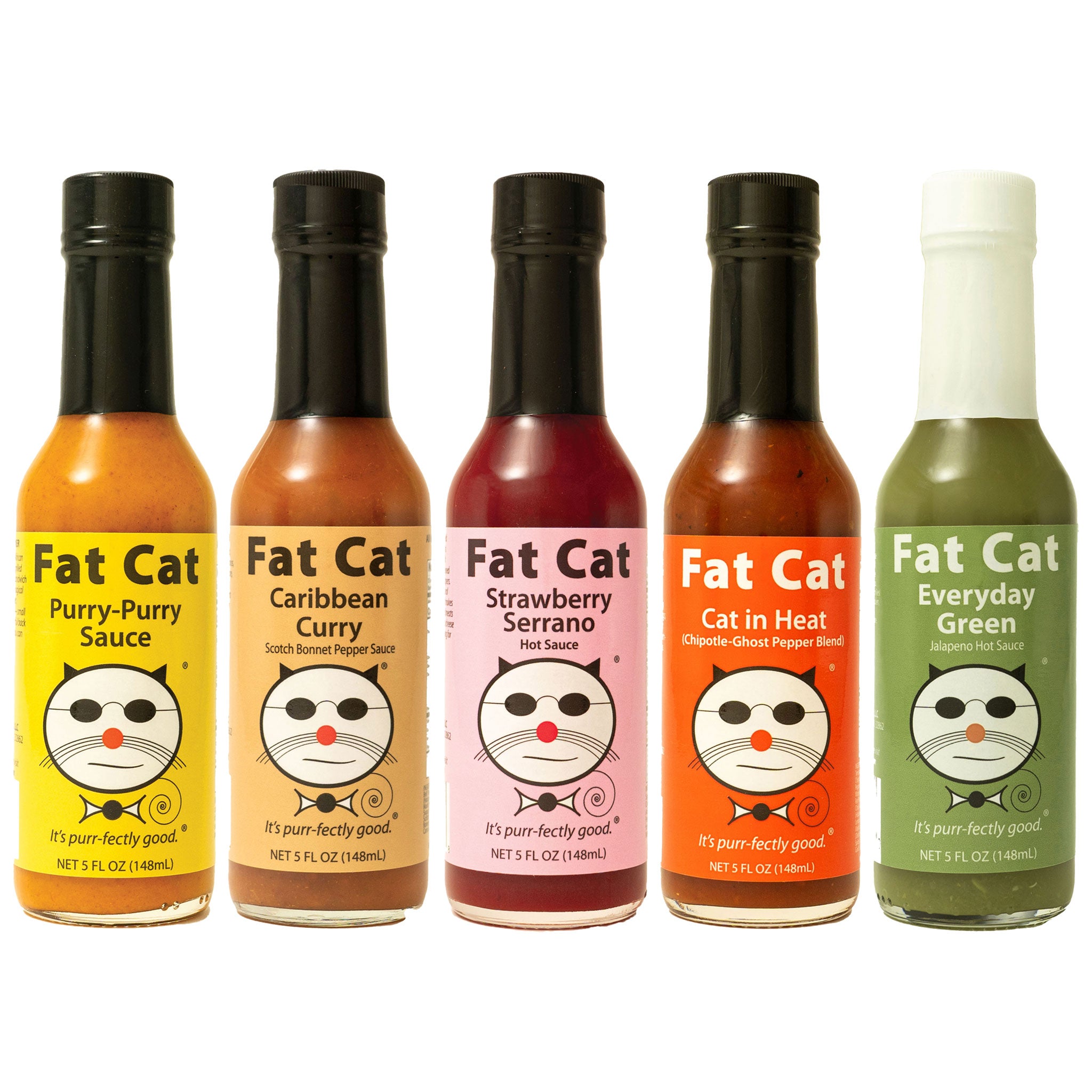


Hot sauce gets its heat from capsaicin, a compound found in chili peppers. Capsaicin doesn’t actually burn you — it triggers nerve receptors (TRPV1) in your mouth and skin that interpret the sensation as heat. This same compound is what drives many health claims about spicy food. NIST+1
🌶️ Hot Sauce Is Low-Calorie and Nutrient-Dense
Most traditional hot sauces are made from simple ingredients: chili peppers, vinegar, salt, and sometimes garlic or spices.
-
They are very low in calories.
-
They contain no fat or sugar in small servings.
-
Some contain vitamin C and other antioxidants from peppers. Healthline
This means hot sauce can boost flavor without adding calories, especially compared to creamy or sugary condiments like ranch or barbecue sauce.
✔️ Potential Health Benefits of Hot Sauce
1. 🌡️ Metabolism Boost & Appetite Regulation
Capsaicin has been studied for its effect on metabolism: it may increase energy expenditure and fat oxidation, and potentially reduce appetite. While foods alone aren’t a weight-loss solution, adding spice can support a healthy eating pattern. PMC
2. ❤️ Heart Health Support
Some research suggests chili peppers and capsaicin may have beneficial effects on cardiovascular health, including improved circulation and potential cholesterol regulation — though more research in humans is needed. PMC
3. ☺️ Pain Relief & Neurological Effects
Capsaicin is used in medical settings for topical pain relief (e.g., creams for arthritis or nerve pain). Its action on pain receptors can reduce sensitivity with controlled use. NCBI
4. 🦠 Anti-Inflammatory Properties
Peppers and capsaicin show anti-inflammatory activity in cell and animal studies. Chronic inflammation is linked with many health conditions, so foods that help modulate inflammation can be beneficial. Healthline
🧠 Heat Tolerance: Why Your Body Gets Used to Spice
The brain and nervous system adapt over time. Regular exposure to spicy foods can make them feel more tolerable, because heat sensitivity decreases with repeated stimulation of TRPV1 receptors. This means many people enjoy stronger sauces over time without increased discomfort. American Chemical Society
⚖️ What Hot Sauce Doesn’t Do
It’s important to set realistic expectations:
❌ Hot sauce is not a magic weight-loss bullet.
Capsaicin alone doesn’t cause significant weight loss without broader diet changes. NCBI
❌ Not all health claims are proven.
Some commercial articles exaggerate benefits like “detoxing” or “curing disease.”
⚠️ Possible Downsides
🧁 High Sodium Content
Many hot sauces are high in sodium, and excessive sodium intake is linked to high blood pressure and cardiovascular risk. If you’re on a low-sodium diet, read labels carefully. Healthline
🍽️ Digestive Sensitivity
For individuals with GERD, IBS, or gastritis, spicy foods — including hot sauce — can trigger discomfort like heartburn or stomach pain. Wikipedia
🥗 How to Choose a Healthy Hot Sauce
When selecting a hot sauce that supports health goals, look for:
✔ Simple, recognizable ingredients
✔ Low added sugar
✔ Moderate sodium
✔ No artificial colors or preservatives
Many craft and fermented sauces fit this profile, and fermentation can add tang and complexity without unhealthy additives. ONIMA PANTRY
🧠 What Research Really Says
For deeper dives into the science of spicy foods and capsaicin:
👉 National Institutes of Health (NIH/NCBI) — Capsaicin pharmacology and pain applications: Capsaicin – StatPearls NCBI
👉 Healthline — Evidence-based overview of hot sauce benefits and downsides: Hot Sauce: Nutrients, Benefits, and Downsides Healthline
👉 PMC (medical archive) — Spicy food and health outcomes study: Spicy Food and Chili Peppers and Multiple Health Outcomes PMC
🧠 Final Takeaway
Is hot sauce healthy?
Yes — when consumed in moderation and chosen wisely, hot sauce can be part of a balanced diet — offering flavor, metabolism support, inflammation modulation, and even some pain-relief benefits thanks to capsaicin.
Just keep these tips in mind:
-
Use it as a flavor enhancer, not a health cure
-
Pick sauces with simple, wholesome ingredients
-
Watch sodium if you’re sensitive
-
Enjoy the heat — it’s part of the experience 🌶️🔥
Try our Hot Sauce Line


