


Korean chili peppers — most commonly known as gochugaru — are one of the most misunderstood ingredients in the spicy food world. They look fiery, but they’re not brutal. They taste complex, but not overwhelming. And they’re the backbone of some of the most iconic Korean dishes on the planet.
This complete guide explains Korean chili peppers (gochugaru) in detail: what they are, how hot they really are, how they taste, how they differ from other chili flakes, and the best ways to use them in cooking and sauces.


What Are Korean Chili Peppers (Gochugaru)?
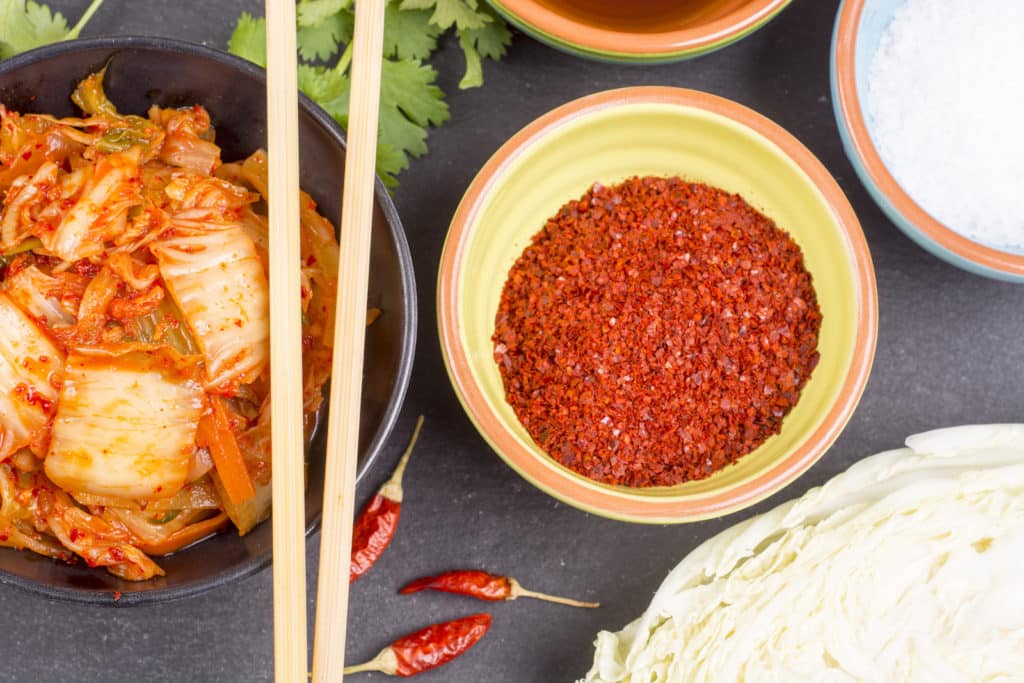
Gochugaru (고추가루) translates literally to “chili powder” in Korean, but it’s very different from standard chili powder blends.
It’s made from:
-
Korean red chili peppers (gochu)
-
Sun-dried or air-dried
-
Seeds partially removed
-
Ground into coarse flakes or fine powder
Unlike Western chili powders, gochugaru is:
-
Pure chili (no cumin, garlic, or fillers)
-
Mild to medium in heat
-
Naturally sweet and smoky
🔥 Gochugaru is essential to Korean cuisine — not optional.
How Hot Is Gochugaru? (Scoville Scale)
Gochugaru typically ranges between:
4,000–8,000 Scoville Heat Units (SHU)
That puts it roughly on par with:
-
Jalapeños (2,500–8,000 SHU)
-
Mild serrano blends
Heat Characteristics
-
Gentle upfront warmth
-
Slow, even burn
-
No harsh spike
-
Minimal aftershock
👉 Translation: It adds warmth and depth, not pain.
What Does Gochugaru Taste Like?
This is where gochugaru shines.
Flavor Profile
-
Mildly sweet
-
Slightly smoky
-
Earthy and clean
-
Low bitterness
-
Rounded heat
Unlike cayenne or crushed red pepper flakes, gochugaru tastes intentional, not aggressive.
🔥 Many people describe it as “warm and comforting spice.”
Gochugaru vs Crushed Red Pepper vs Cayenne
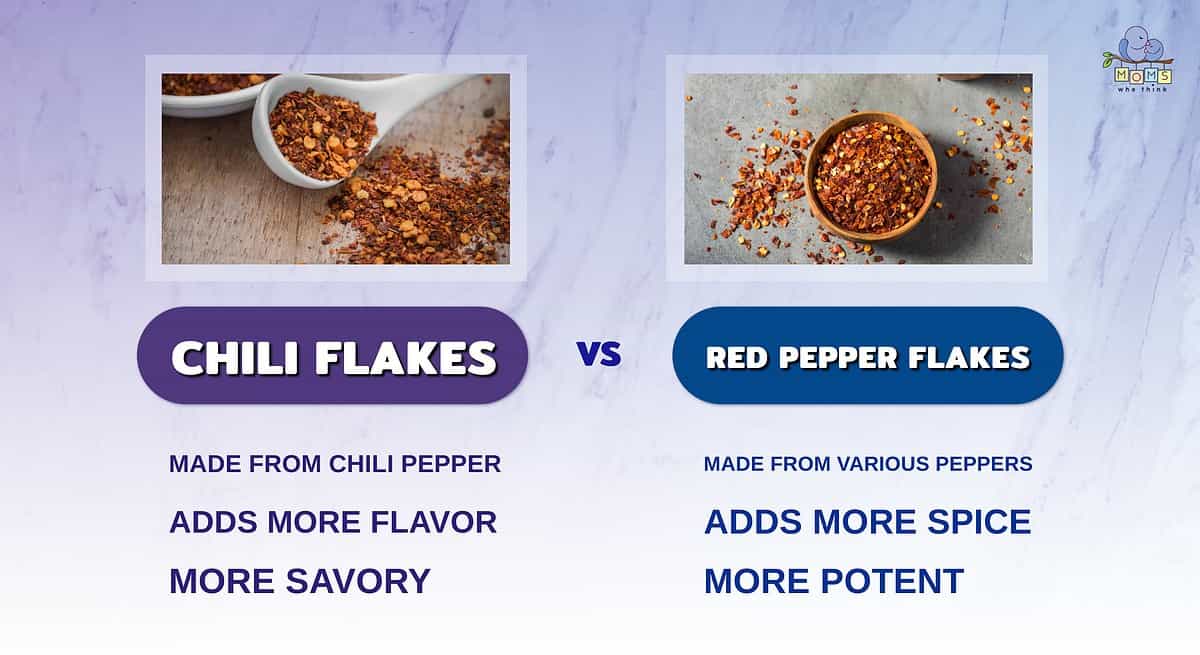
Gochugaru
-
Mild–medium heat
-
Sweet, smoky flavor
-
Large, uniform flakes
-
Minimal bitterness
Crushed Red Pepper
-
Inconsistent heat
-
Sharp, sometimes bitter
-
Mixed pepper varieties
-
Often harsher
Cayenne
-
Much hotter
-
Thin, sharp burn
-
One-dimensional heat
👉 If cayenne shouts, gochugaru speaks calmly and confidently.
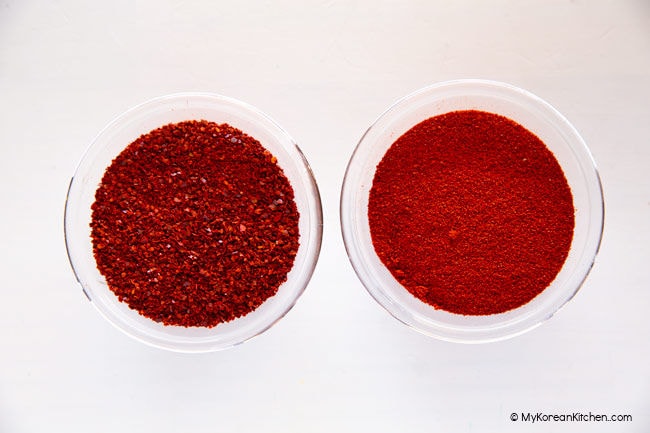
Fine vs Coarse Gochugaru: What’s the Difference?
Coarse Gochugaru
-
Flaky texture
-
Used for kimchi
-
Visual impact
-
Gentle heat release
Fine Gochugaru
-
Powdery texture
-
Used in sauces and soups
-
More even heat
-
Stronger color payoff
🔥 Most Korean kitchens keep both on hand.
What Is Gochugaru Used For?
🥬 Kimchi (The Most Famous Use)
Gochugaru provides:
-
Color
-
Fermentation-friendly heat
-
Balanced flavor
Without gochugaru, kimchi isn’t kimchi.
🍲 Gochujang (Korean Chili Paste)
Gochugaru is blended with:
-
Fermented soybeans
-
Rice syrup
-
Salt
This creates gochujang, one of the world’s most complex chili pastes.
🍜 Korean Soups & Stews
Used in:
-
Kimchi jjigae
-
Sundubu jjigae
-
Ramyeon
Adds warmth without overpowering broth.
🍗 Marinades & Sauces
Perfect for:
-
Grilled meats
-
Fried chicken sauces
-
Spicy glazes
🔥 Gochugaru pairs exceptionally well with garlic, soy sauce, and sesame oil.
Can Gochugaru Be Used in Hot Sauce?
Absolutely — and it’s underrated.
Why Gochugaru Works in Hot Sauce
-
Balanced heat
-
Rich red color
-
Low bitterness
-
Smooth mouthfeel
Best used in:
-
Fermented hot sauces
-
Korean-inspired sauces
-
Mild daily-driver sauces
👉 It’s ideal for flavor-forward, low-aggression hot sauces.
Is Gochugaru Healthy?
Yes, in moderation.
Gochugaru contains:
-
Capsaicin (mild levels)
-
Vitamins A & C
-
Antioxidants
It’s also:
-
Low calorie
-
Low sodium
-
Free of additives (when pure)
🔥 Because the heat is mild, it’s easier on digestion than many chili powders.
How to Store Gochugaru Properly
To preserve flavor and color:
-
Store in an airtight container
-
Keep away from light and heat
-
Refrigerate or freeze for long-term storage
Fresh gochugaru should smell sweet and peppery, not dusty or bitter.
Common Mistakes When Using Gochugaru
❌ Treating it like cayenne
❌ Using Western chili powder as a substitute
❌ Overcooking it in dry heat
❌ Buying old, brownish flakes
🔥 Color matters — bright red = fresh.
Frequently Asked Questions (FAQ)
Is gochugaru very spicy?
No — it’s mild to medium with smooth heat.
Can I substitute crushed red pepper for gochugaru?
Not ideally. Flavor and heat are very different.
Is gochugaru smoked?
Traditionally sun-dried, not heavily smoked.
Does gochugaru ferment well?
Yes — it’s ideal for fermented foods.
Final Thoughts
Korean chili peppers (gochugaru) prove that spice doesn’t need to hurt to be powerful. With gentle heat, natural sweetness, and incredible versatility, gochugaru is one of the most flavor-forward chili peppers in the world.
If you care about balance, fermentation, and depth — not just Scoville numbers — gochugaru deserves a permanent place in your kitchen 🌶️🔥🇰🇷
Try our Hot Sauce Line


