


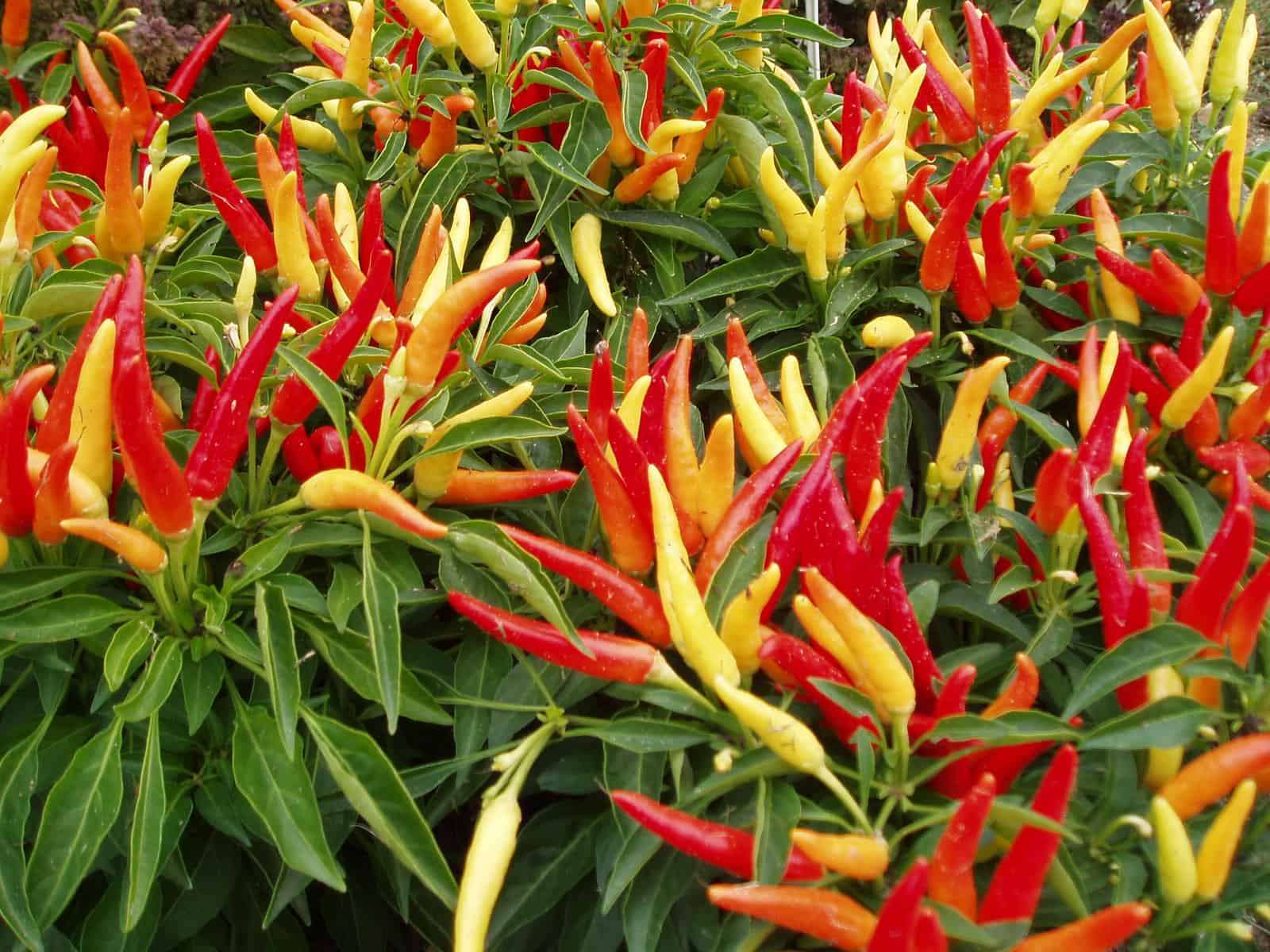


Peppers Ranked: Mild to Superhot
Heat Levels Explained, Flavor Profiles, and What to Cook With Each
Not all chili peppers are about pain.
Some are sweet and grassy. Some are smoky and earthy. Some bring slow warmth. Others bring full-body fire. Understanding how peppers progress from mild to superhot — and what each one is actually good for cooking — is the difference between flavor mastery and kitchen regret.
This guide ranks peppers from mild → superhot, explains:
-
How hot each pepper really feels (not just SHU numbers)
-
What each pepper tastes like
-
What foods they pair best with
-
Simple recipe ideas for every heat level
Whether you’re new to spice or chasing serious heat, this is your complete, practical pepper roadmap.
How pepper heat actually works (quick primer)
Pepper heat is measured in Scoville Heat Units (SHU) — but that number doesn’t tell the whole story.
Why?
-
Fat, sugar, and acid change how heat is perceived
-
Some peppers hit fast and fade
-
Others build slowly and linger
-
Flavor intensity can mask or amplify heat
Think of SHU as range, not experience.
🟢 MILD PEPPERS (0 – 2,500 SHU)
Flavor without burn

Bell Pepper (0 SHU)
Flavor: sweet, crisp, vegetal
Heat: none
Best uses:
-
Salsas
-
Stuffed peppers
-
Fajitas
-
Roasted veggie dishes
Easy recipe:
Roast bell peppers with olive oil, garlic, and salt. Blend into a smoky red sauce base (zero heat, all flavor).
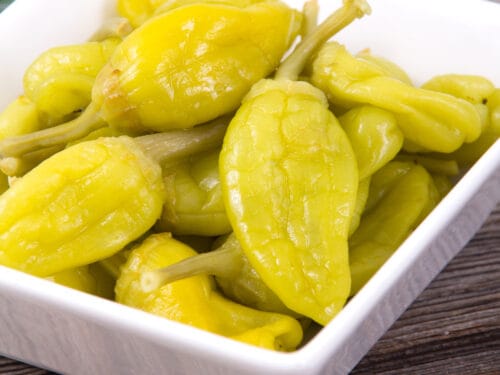
Pepperoncini (100–500 SHU)
Flavor: tangy, slightly sweet
Heat: whisper
Best uses:
-
Pickling
-
Sandwiches
-
Italian-style sauces
Easy recipe:
Chop pepperoncini into mayo + lemon + garlic for a zippy sandwich spread.
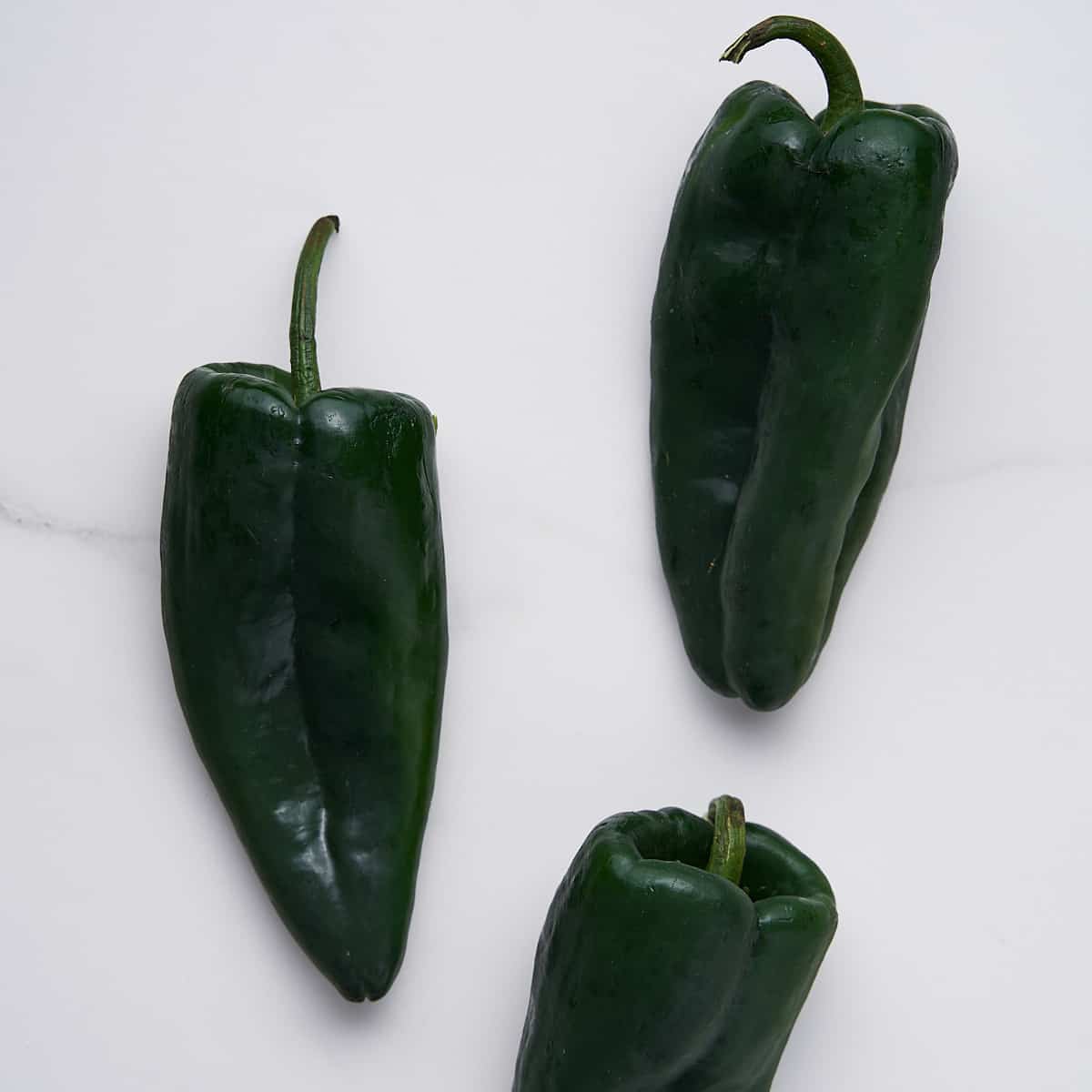
Poblano (1,000–1,500 SHU)
Flavor: earthy, dark green, mildly smoky
Heat: gentle warmth
Best uses:
-
Chiles rellenos
-
Roasted sauces
-
Soups & stews
Easy recipe:
Roast poblanos, blend with cream and garlic for a silky green enchilada sauce.
🟡 MEDIUM PEPPERS (2,500 – 10,000 SHU)
Noticeable heat, big flavor
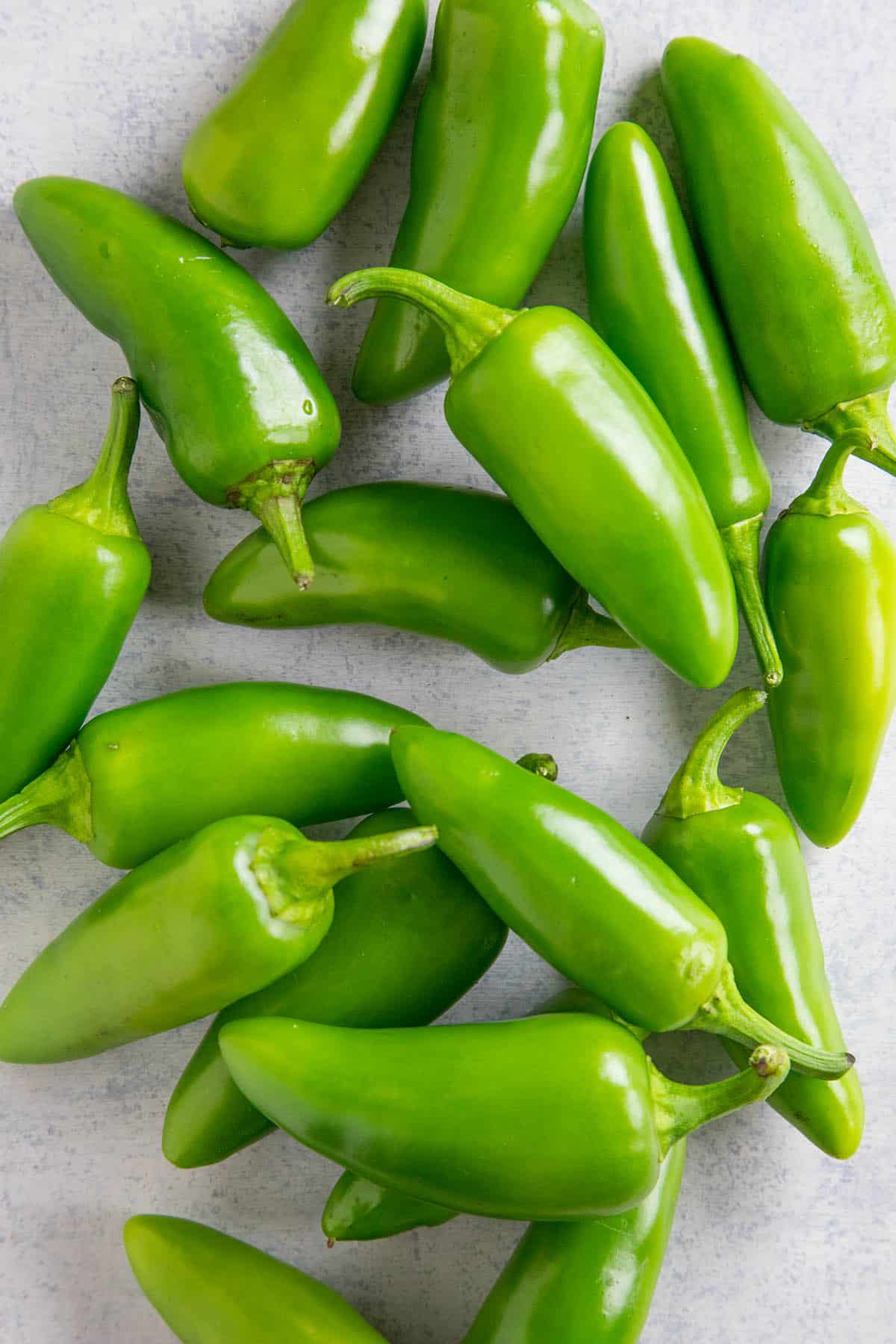
Jalapeño (2,500–8,000 SHU)
Flavor: fresh, grassy, bright
Heat: mild-to-medium
Best uses:
-
Hot sauce
-
Salsas
-
Nachos
-
Burgers
Easy recipe:
Blend jalapeños, garlic, vinegar, and salt for a clean, everyday green sauce.
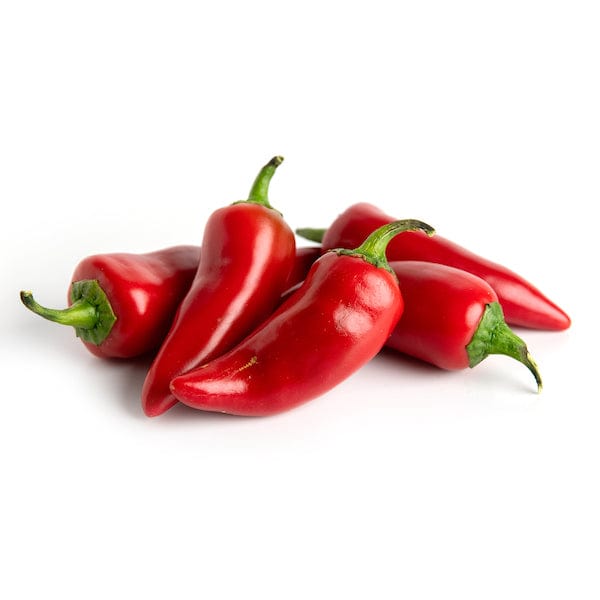
Fresno (2,500–10,000 SHU)
Flavor: brighter and fruitier than jalapeño
Heat: similar, slightly sharper
Best uses:
-
Red hot sauces
-
Pickling
-
Tacos
Easy recipe:
Simmer Fresnos with apple cider vinegar and honey for a balanced red table sauce.
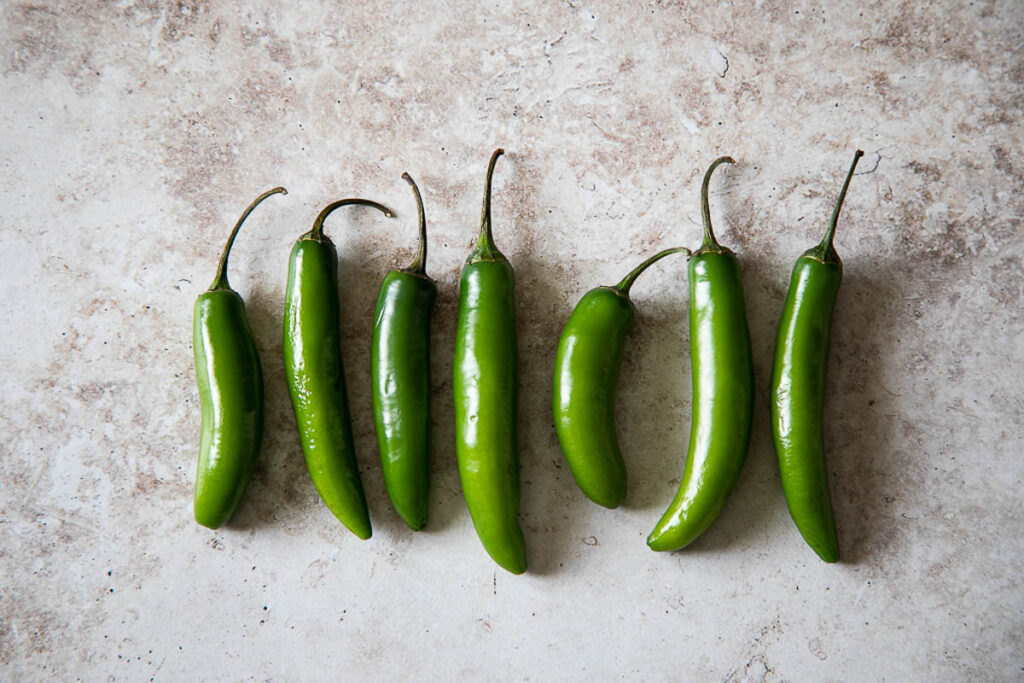
Serrano (6,000–10,000 SHU)
Flavor: clean, sharp, chile-forward
Heat: quick, assertive
Best uses:
-
Salsa verde
-
Pico de gallo
-
Eggs & breakfast dishes
Easy recipe:
Blend serranos, tomatillos, onion, and lime for classic salsa verde.
🔴 HOT PEPPERS (10,000 – 100,000 SHU)
Heat with character
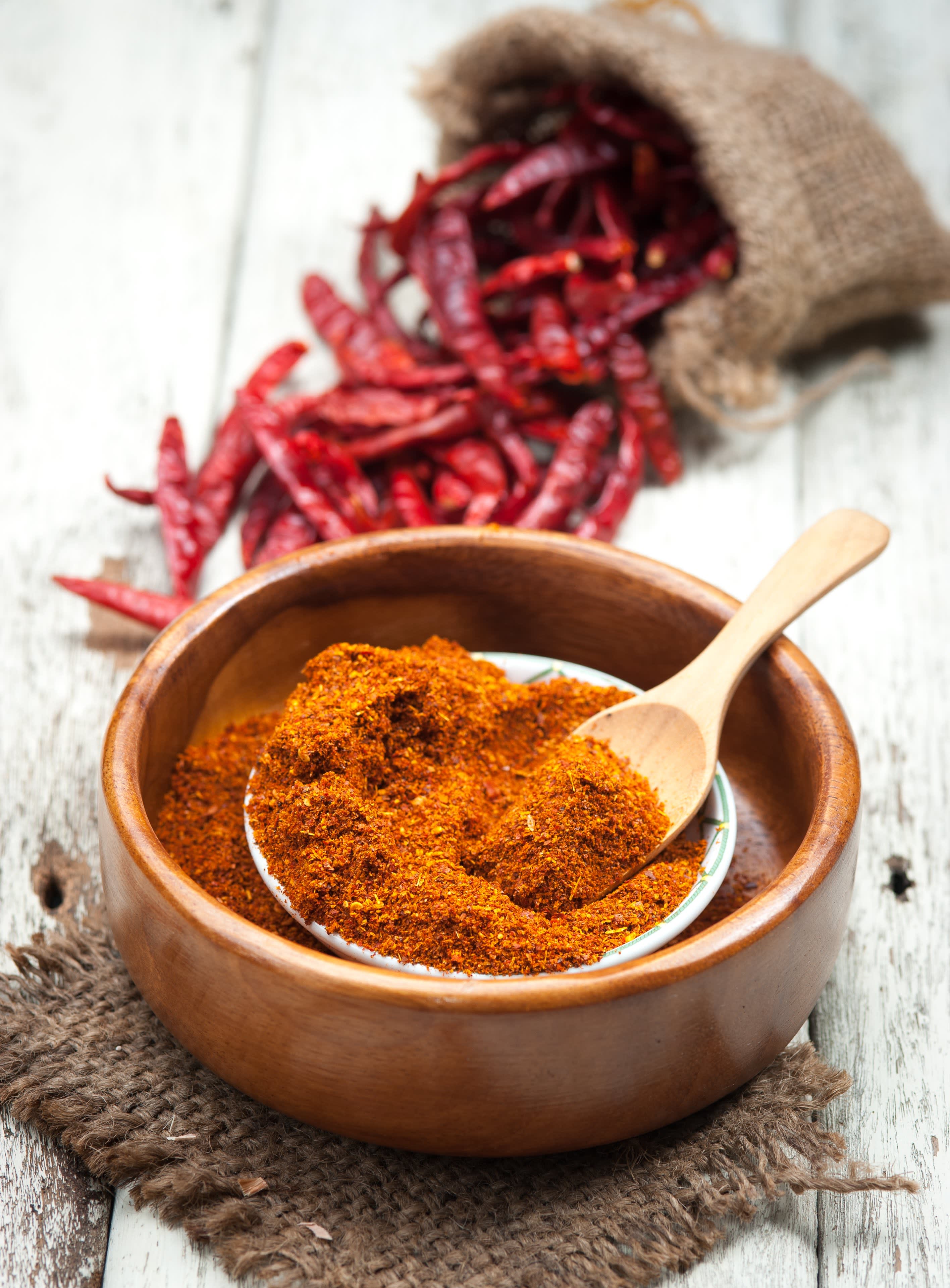
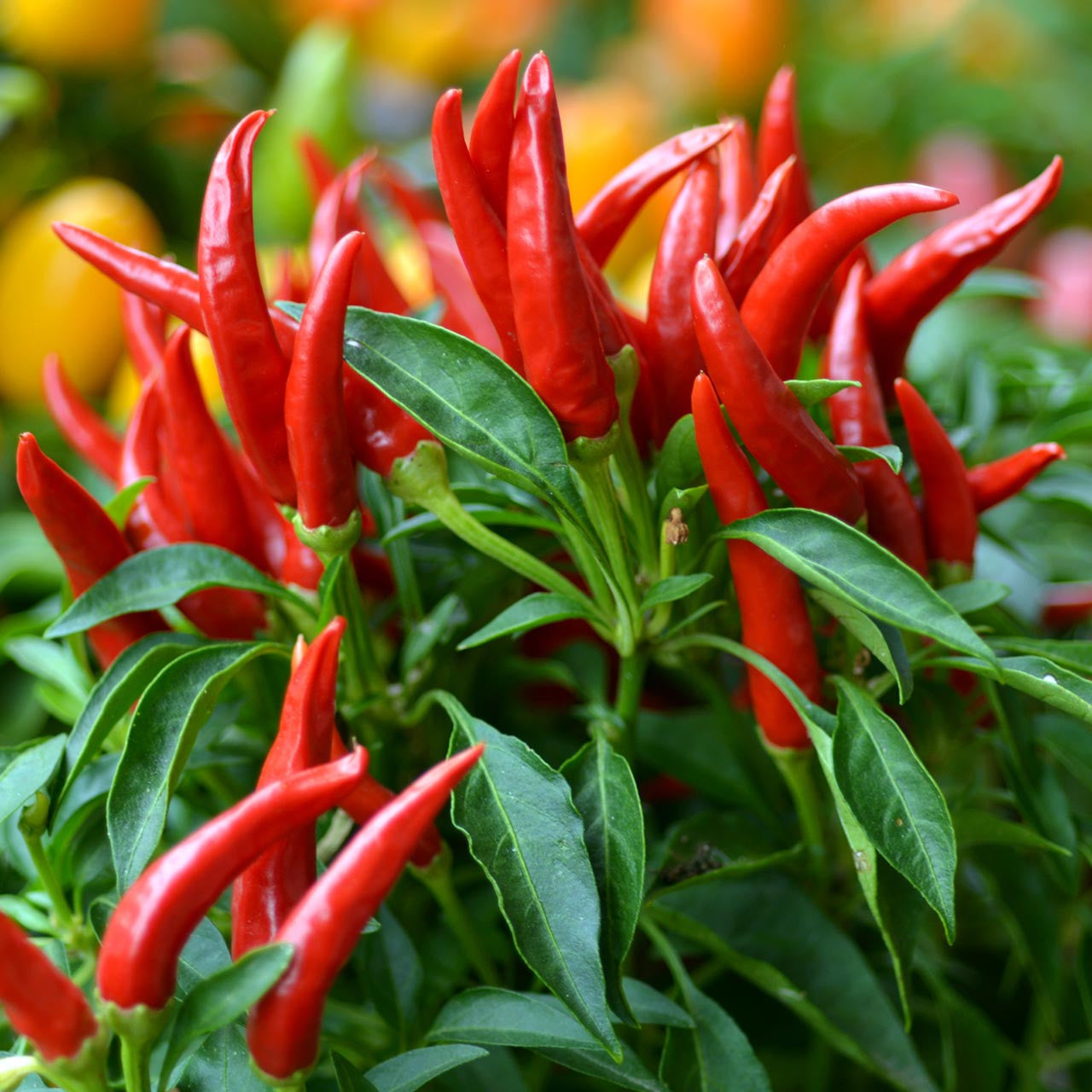

Cayenne (30,000–50,000 SHU)
Flavor: neutral, earthy
Heat: steady, building
Best uses:
-
Dry rubs
-
Vinegar hot sauces
-
Soups
Easy recipe:
Infuse cayenne into vinegar for a classic Louisiana-style sauce.
Thai Chili (50,000–100,000 SHU)
Flavor: sharp, direct
Heat: fast and punchy
Best uses:
-
Stir-fries
-
Chili oil
-
Noodles
Easy recipe:
Simmer Thai chilis in oil with garlic to make a spicy finishing oil.
Chipotle (Smoked Jalapeño)
Flavor: smoky, rich, slightly sweet
Heat: medium
Best uses:
-
BBQ sauces
-
Marinades
-
Chili
Easy recipe:
Blend chipotle in adobo with tomato paste and honey for smoky wing sauce.
Habanero (100,000–350,000 SHU)
Flavor: fruity, citrusy, floral
Heat: intense but flavorful
Best uses:
-
Caribbean sauces
-
Fruit-based hot sauces
-
Pork & chicken
Easy recipe:
Blend habanero, mango, lime, and salt for sweet-heat perfection.
🔥 SUPERHOT PEPPERS (350,000+ SHU)
Use with intention
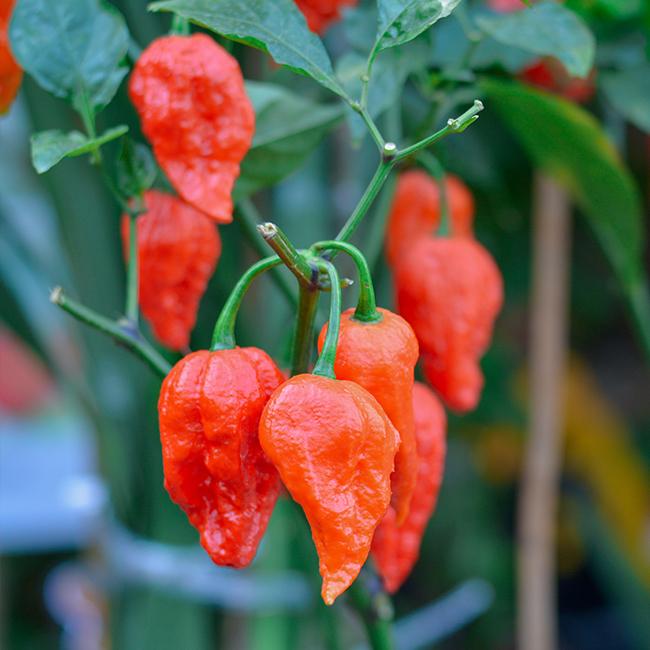

Ghost Pepper (Bhut Jolokia) (800,000+ SHU)
Flavor: smoky, earthy
Heat: slow build → long burn
Best uses:
-
Hot sauces (small amounts)
-
Chili
-
Powder blends
Easy recipe:
Add ½ pepper to a full pot of chili for deep heat without insanity.
Trinidad Scorpion (1,200,000+ SHU)
Flavor: sharp, aggressive
Heat: fast and punishing
Best uses:
-
Extreme sauces
-
Heat boosters
Easy recipe:
Blend a sliver into a large batch of sauce — never solo.
Carolina Reaper (2,000,000+ SHU)
Flavor: surprisingly fruity
Heat: explosive, lingering
Best uses:
-
Drops, not pours
-
Challenge sauces
-
Heat layering
Easy recipe:
Infuse reaper into vinegar, then strain — use by the drop.
How to choose the right pepper (without ruining dinner)
Choose by food, not ego
-
Eggs & veggies → mild to medium
-
Meat & fat → medium to hot
-
Sauces & blends → hot to superhot (controlled)
Balance heat with:
-
Fat (butter, oil, dairy)
-
Sweetness (fruit, honey)
-
Acid (vinegar, citrus)
This keeps spice enjoyable, not painful.
Pepper heat cheat sheet
| Heat Level | Best For |
|---|---|
| Mild | Everyday cooking, sauces, family meals |
| Medium | Salsas, tacos, breakfast |
| Hot | Hot sauce lovers, wings, BBQ |
| Superhot | Heat layering, drops, novelty |
Final thoughts: peppers are flavor tools, not weapons
The best cooks don’t chase heat — they design it.
When you understand:
-
Where heat comes from
-
How it builds
-
What flavors live inside each pepper
You stop asking “How hot is this?”
…and start asking “What will this do to the dish?”
Try our Hot Sauce Line


