


Few chili peppers are as instantly recognizable — or as misunderstood — as Scotch bonnet peppers. Famous for their fruity aroma, vibrant heat, and central role in Caribbean cooking, Scotch bonnets are not just “hot peppers.” They are flavor peppers first.
In this complete guide, we’ll break down Scotch bonnet peppers in detail: how hot they really are, what they taste like, how they compare to habaneros, and the best ways to use them in cooking and hot sauce.

What Are Scotch Bonnet Peppers?
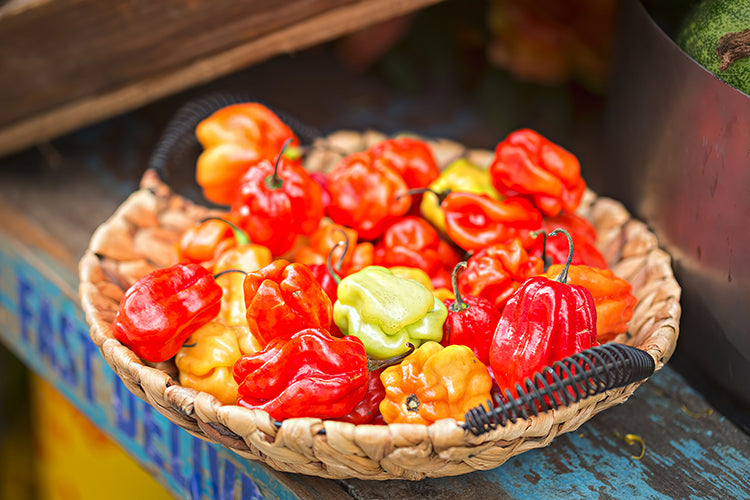
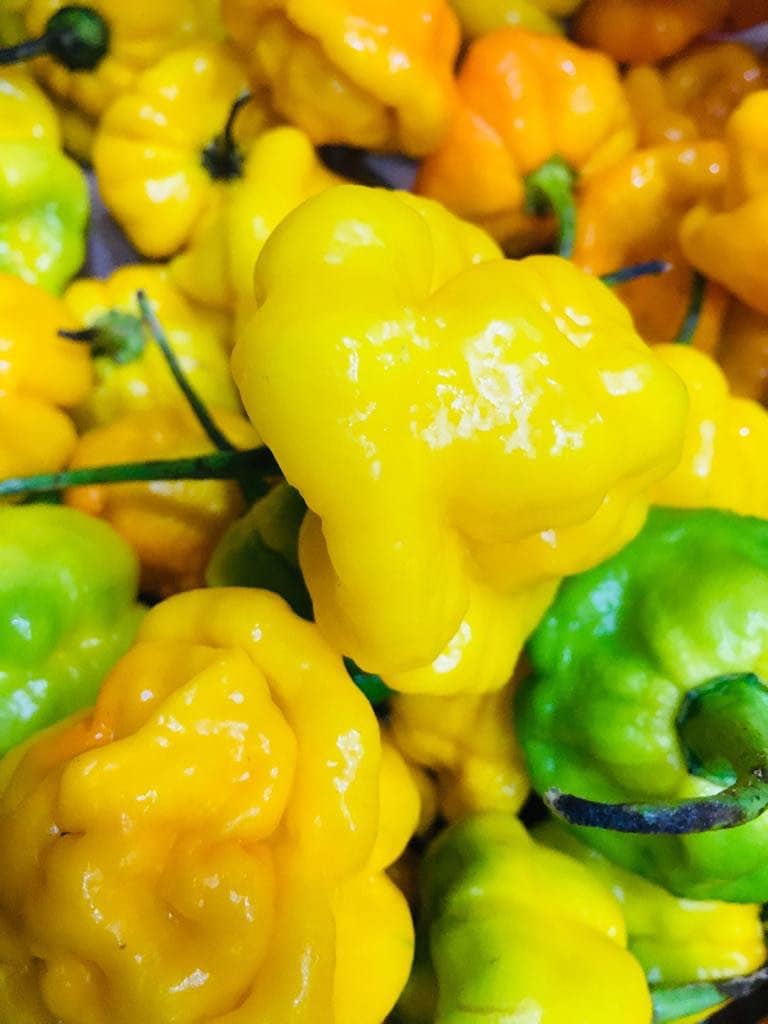
Scotch bonnets are small, wrinkled chili peppers traditionally grown throughout the Caribbean, especially in Jamaica, Trinidad, and Barbados. Their name comes from their shape, which resembles a traditional Scottish tam o’ shanter hat.
They are a cornerstone of Caribbean cuisine and appear in:
-
Jerk seasoning
-
Pepper sauces
-
Marinades
-
Stews and rice dishes
🔥 In Caribbean cooking, Scotch bonnets aren’t optional — they’re essential.
How Hot Are Scotch Bonnets? (Scoville Scale)
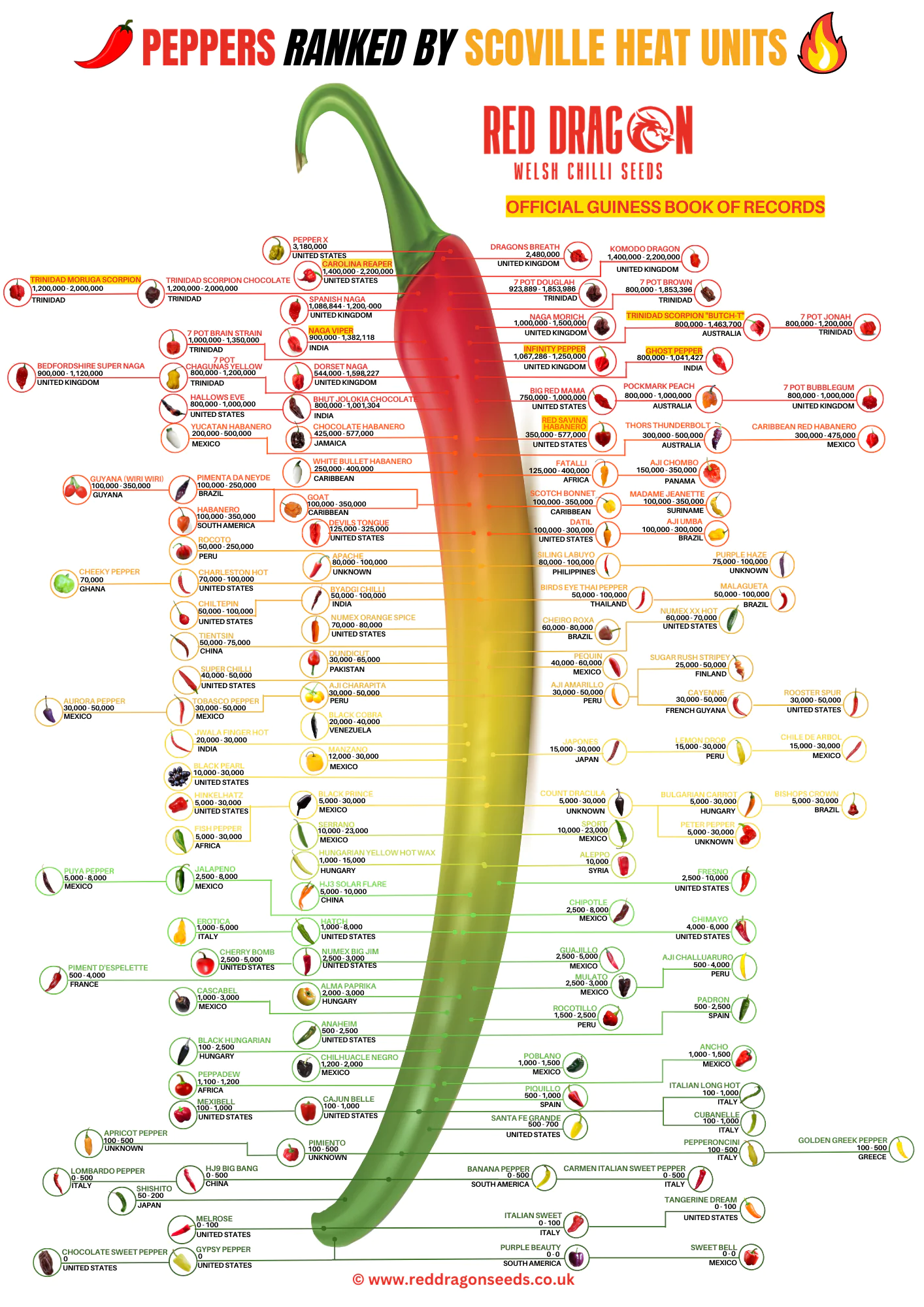
Scotch bonnet peppers typically measure:
100,000–350,000 Scoville Heat Units (SHU)
That places them in the same heat range as habaneros.
Heat Characteristics
-
Strong upfront heat
-
Smooth, rounded burn
-
Lingering warmth
-
Rarely sharp or metallic
👉 While undeniably hot, Scotch bonnet heat is balanced and enjoyable when used correctly.
What Do Scotch Bonnet Peppers Taste Like?
This is where Scotch bonnets truly stand apart.
Flavor Profile
-
Brightly fruity
-
Slightly sweet
-
Tropical notes (mango, pineapple)
-
Floral aroma
-
Low bitterness
🔥 Many chefs describe Scotch bonnets as “sweet heat” peppers.
Unlike harsher super-hot chilies, Scotch bonnets enhance food instead of dominating it.
Scotch Bonnet vs Habanero: What’s the Difference?
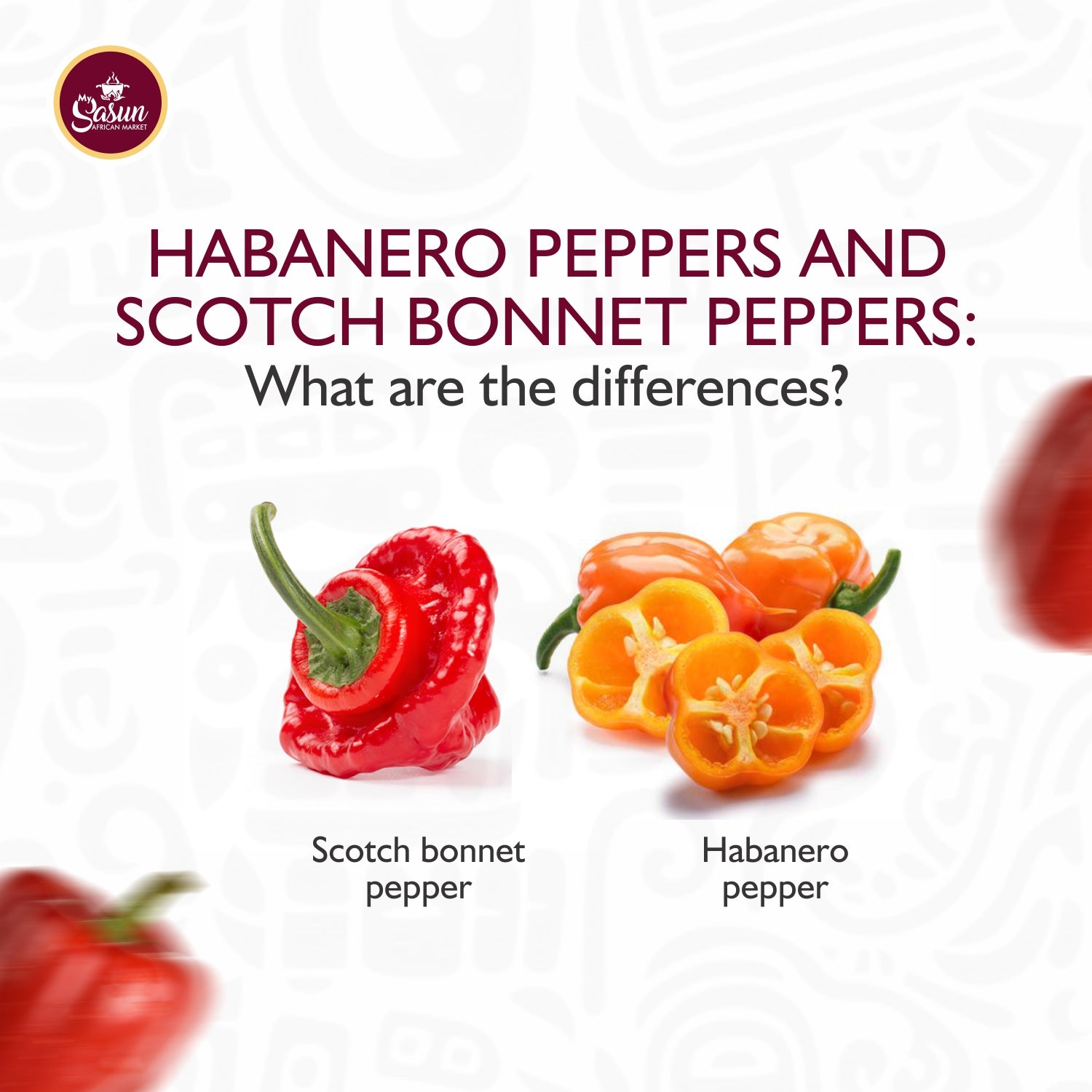

While they share similar heat levels, they are not interchangeable.
Scotch Bonnet
-
Sweeter, more tropical
-
More aromatic
-
Central to Caribbean cuisine
Habanero
-
Citrus-forward
-
Slightly sharper heat
-
Common in Mexican & global hot sauces
👉 If habanero tastes bright and citrusy, Scotch bonnet tastes round, fruity, and island-sweet.
Why Scotch Bonnets Are Perfect for Hot Sauce
Scotch bonnets are considered one of the best peppers in the world for hot sauce.
Why They Shine
-
High heat without harshness
-
Natural sweetness reduces need for sugar
-
Strong aroma carries through fermentation
-
Works beautifully with fruit and vinegar
🔥 Many classic Caribbean pepper sauces rely almost exclusively on Scotch bonnets.
Best Uses for Scotch Bonnet Peppers
🌶️ Hot Sauce & Pepper Sauce
Scotch bonnet hot sauces are:
-
Bright
-
Fruity
-
Bold
-
Addictive
They pair perfectly with vinegar, mustard, garlic, and tropical fruit.
🍗 Jerk Chicken & Marinades
Scotch bonnets are essential to authentic jerk seasoning, providing heat that cuts through:
-
Allspice
-
Thyme
-
Garlic
-
Smoke
🍤 Seafood & Fish
Scotch bonnet heat complements:
-
Shrimp
-
Lobster
-
Snapper
-
Fish stews
🔥 Especially good with citrus and coconut.
🍚 Rice, Beans & Stews
Used whole or pierced, Scotch bonnets:
-
Infuse flavor without overpowering
-
Add aroma without extreme heat
A traditional Caribbean technique.
Can Scotch Bonnets Be Fermented?
Absolutely — and they ferment beautifully.
Fermentation Benefits
-
Smooths heat
-
Deepens fruitiness
-
Adds savory complexity
-
Improves shelf life
🔥 Fermented Scotch bonnet sauces are among the most complex and crave-worthy hot sauces available.
Fresh vs Cooked Scotch Bonnet Flavor
Fresh
-
Brighter
-
More floral
-
Sharper heat
Cooked
-
Sweeter
-
Milder heat perception
-
Richer aroma
🔥 Cooking tames the heat but amplifies sweetness.
Are Scotch Bonnets Healthy?
In moderation, yes.
They contain:
-
Capsaicin (metabolism support)
-
Vitamins A & C
-
Antioxidants
Because their flavor is strong, you often need less to get satisfaction.
Handling & Safety Tips
Scotch bonnets are hot — respect them.
⚠️ Always:
-
Wear gloves when cutting
-
Avoid touching eyes or skin
-
Wash hands thoroughly
A little goes a long way.
Common Mistakes With Scotch Bonnets
❌ Treating them like jalapeños
❌ Substituting habanero blindly
❌ Using too much at once
❌ Ignoring their sweetness
🔥 Balance is key.
Frequently Asked Questions (FAQ)
Are Scotch bonnets hotter than habaneros?
No — they’re similar in heat, but Scotch bonnets taste sweeter.
Can I substitute habanero for Scotch bonnet?
In a pinch, yes — but expect different flavor.
Are Scotch bonnets good for beginners?
They’re hot, but approachable in small amounts.
Do Scotch bonnets work in mild sauces?
Yes — when diluted, their flavor still shines.
Final Thoughts
Scotch bonnet peppers are proof that heat and flavor don’t have to compete. With tropical sweetness, smooth burn, and unmatched aroma, they are one of the most culinary-focused hot peppers in the world.
If you want bold heat that tastes as good as it burns, Scotch bonnets belong in your kitchen — and your hot sauce lineup 🌶️🔥🏝️
Try our Hot Sauce Line


