


If you’ve ever wondered how hot a pepper really is, the answer lives on the Scoville Scale. From sweet bell peppers to face-melting Carolina Reapers, the Scoville Scale remains the global standard for measuring chili heat — and in 2025, it’s more relevant than ever.
This Complete Scoville Scale Guide (2025 Update) explains how the scale works, which peppers rank where, how hot sauce SHU differs from raw peppers, and how to actually use Scoville ratings to choose the right heat level for you.
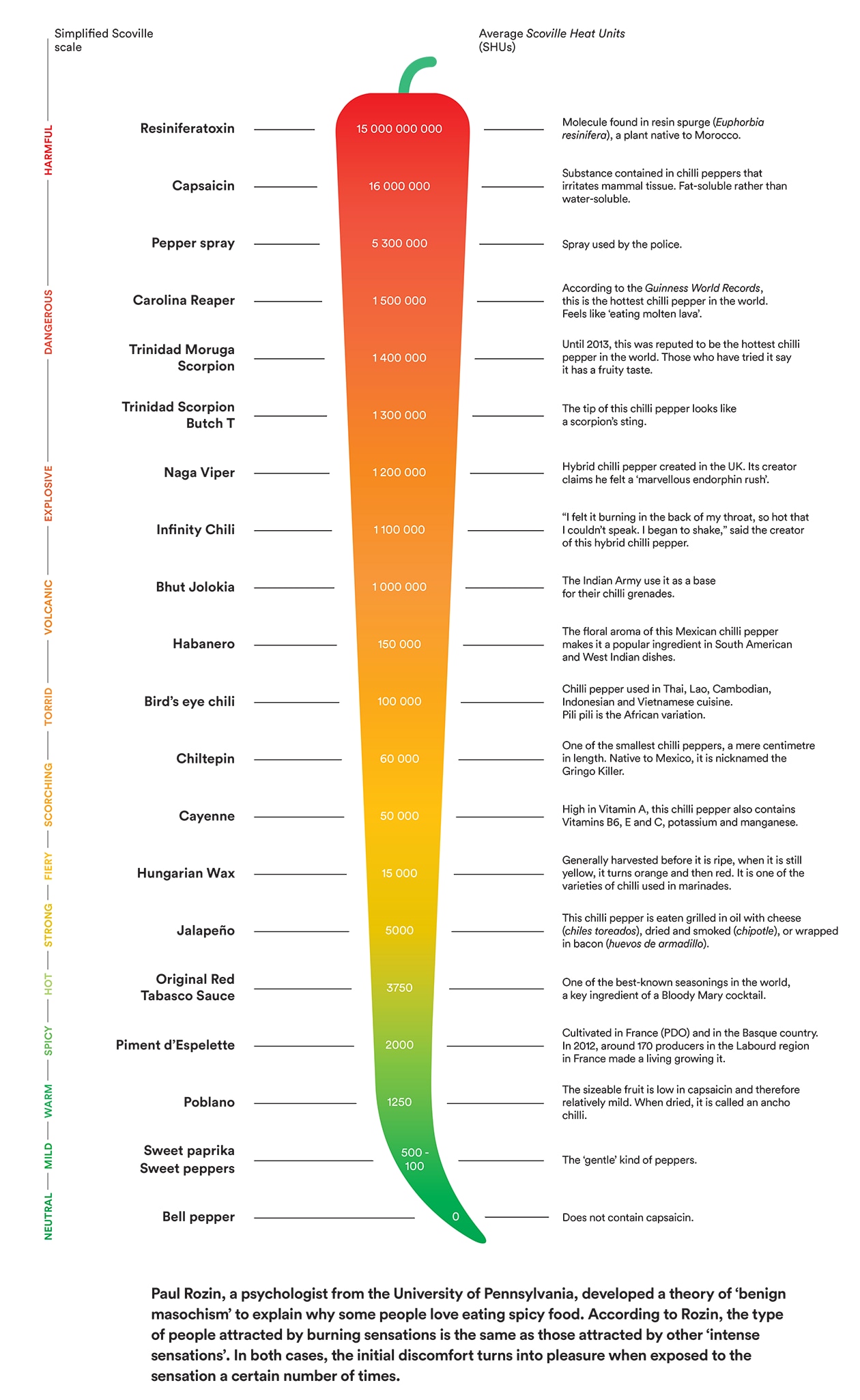


What Is the Scoville Scale?
The Scoville Scale measures the heat of chili peppers and hot sauces in Scoville Heat Units (SHU). It represents the concentration of capsaicin, the compound that triggers the burning sensation we associate with spicy food.
Originally developed in 1912 by Wilbur Scoville, the scale measured heat by diluting pepper extracts until tasters could no longer detect spice. Today, modern lab testing makes Scoville ratings far more accurate.
How Scoville Heat Units (SHU) Are Measured Today
Modern Scoville ratings are determined using High-Performance Liquid Chromatography (HPLC), which measures capsaicin concentration precisely.
What This Means in 2025
-
No human taste testers required
-
Consistent, repeatable results
-
Accurate comparisons across peppers and sauces
🔥 SHU now reflects true chemical heat, not personal tolerance.
The Complete Scoville Scale (2025 Pepper Rankings)
🟢 No Heat
-
Bell Pepper — 0 SHU
🟡 Mild Peppers (0–10,000 SHU)
-
Pepperoncini — 100–500 SHU
-
Poblano — 1,000–2,000 SHU
-
Jalapeño — 2,500–8,000 SHU
Best for beginners and daily use.
🟠 Medium Peppers (10,000–100,000 SHU)
-
Serrano — 10,000–23,000 SHU
-
Fresno — 2,500–10,000 SHU
-
Cayenne — 30,000–50,000 SHU
Balanced heat with strong flavor.
🔴 Hot Peppers (100,000–350,000 SHU)
-
Habanero — 100,000–350,000 SHU
-
Scotch Bonnet — 100,000–350,000 SHU
🔥 The sweet spot for flavor-forward hot sauce.
☠️ Super-Hot Peppers (1,000,000+ SHU)
-
Ghost Pepper (Bhut Jolokia) — ~1,000,000 SHU
-
Trinidad Moruga Scorpion — 1,200,000–2,000,000 SHU
-
Carolina Reaper — 1,600,000–2,200,000+ SHU
⚠️ Use with caution. Gloves recommended.
Is the Carolina Reaper Still the Hottest Pepper in 2025?
Yes — Carolina Reaper remains the officially recognized hottest pepper by Guinness World Records.
However, experimental peppers and unstable hybrids occasionally test higher. These are not officially recognizedunless stabilized and verified.
🔥 Expect Reaper-level heat to remain the benchmark for extreme spice.
Hot Sauce vs Raw Peppers: Why SHU Feels Different
A critical misunderstanding:
Hot sauce SHU ≠ pepper SHU
Why?
Hot sauce includes:
-
Vinegar or fermentation
-
Salt
-
Fruit or sugar
-
Oil or water
These ingredients dilute capsaicin, meaning a habanero hot sauce is far milder than a raw habanero.
👉 A sauce made with a 1,000,000 SHU pepper may only test at 50,000–150,000 SHU.
Why Some Sauces Feel Hotter Than Their SHU
Perceived heat depends on more than numbers.
Heat Feels Hotter When:
-
Sauce is thin
-
Vinegar is high
-
No fat or sugar is present
-
Heat hits quickly
Heat Feels Smoother When:
-
Sauce is fermented
-
Fat or fruit is added
-
Texture is thicker
🔥 This is why fermented sauces often feel gentler at the same SHU.
Scoville Scale by Sauce Category
Mild Hot Sauces
-
Green chili sauces
-
Fermented mild blends
Medium / Hot Sauces
-
Cayenne sauces
Extra Hot Sauces
-
Ghost pepper blends
-
Scorpion sauces
-
Reaper sauces (diluted)
How to Use the Scoville Scale to Choose the Right Sauce
Ask yourself:
-
Do I want daily heat or occasional fire?
-
Will I pour this sauce or blend it?
-
Do I want flavor first or heat first?
Quick Recommendation
-
Under 10,000 SHU: Everyday use
-
10,000–100,000 SHU: Most meals
-
100,000+ SHU: Accent heat only
Common Scoville Scale Myths (Debunked)
❌ Higher SHU always means better sauce
❌ Vinegar creates heat
❌ Seeds are the hottest part
❌ You can’t build tolerance
✅ Flavor matters more than numbers
✅ Capsaicin lives in the pepper membrane
✅ Heat tolerance grows over time
Frequently Asked Questions (FAQ)
Is Scoville the only heat scale?
Yes — it’s the global standard.
Can sauces be hotter than peppers?
Only if they use capsaicin extract.
Do dried peppers get hotter?
No — heat concentrates, but SHU stays the same.
Does cooking reduce SHU?
Slightly — fat and dilution reduce perceived heat.
Final Thoughts
The Scoville Scale isn’t about bragging rights — it’s a tool. When you understand SHU ranges and how ingredients affect heat, you can choose hot sauces and peppers that match your taste instead of punishing it.
In 2025, the best spicy food still follows one rule:
Flavor first. Heat second. Always. 🌶️🔥


