


Smoking a pepper doesn’t just “add smoke.”
It fundamentally changes the pepper’s chemistry, flavor structure, heat perception, and culinary role. That’s why smoked peppers like chipotle, smoked ghost pepper, or smoked paprika don’t taste like their fresh counterparts at all — even when the pepper variety is identical.
This is a flavor-first, science-backed guide to what actually happens when you smoke a pepper, why some peppers transform beautifully while others fall flat, and how to use smoked peppers correctly in sauces, rubs, and everyday cooking.
If you’ve ever wondered why smoked peppers taste deeper, sweeter, or hotter — or why they sometimes taste bitter and ashy — this explains it.
Smoking a Pepper: The Big Picture
When you smoke a pepper, three major processes happen at once:
-
Moisture loss (dehydration)
-
Smoke compound absorption
-
Heat perception reshaping
Each one changes how the pepper behaves on your tongue — and together, they create an entirely new ingredient.
1. Moisture Loss: Why Smoked Peppers Taste “Concentrated”


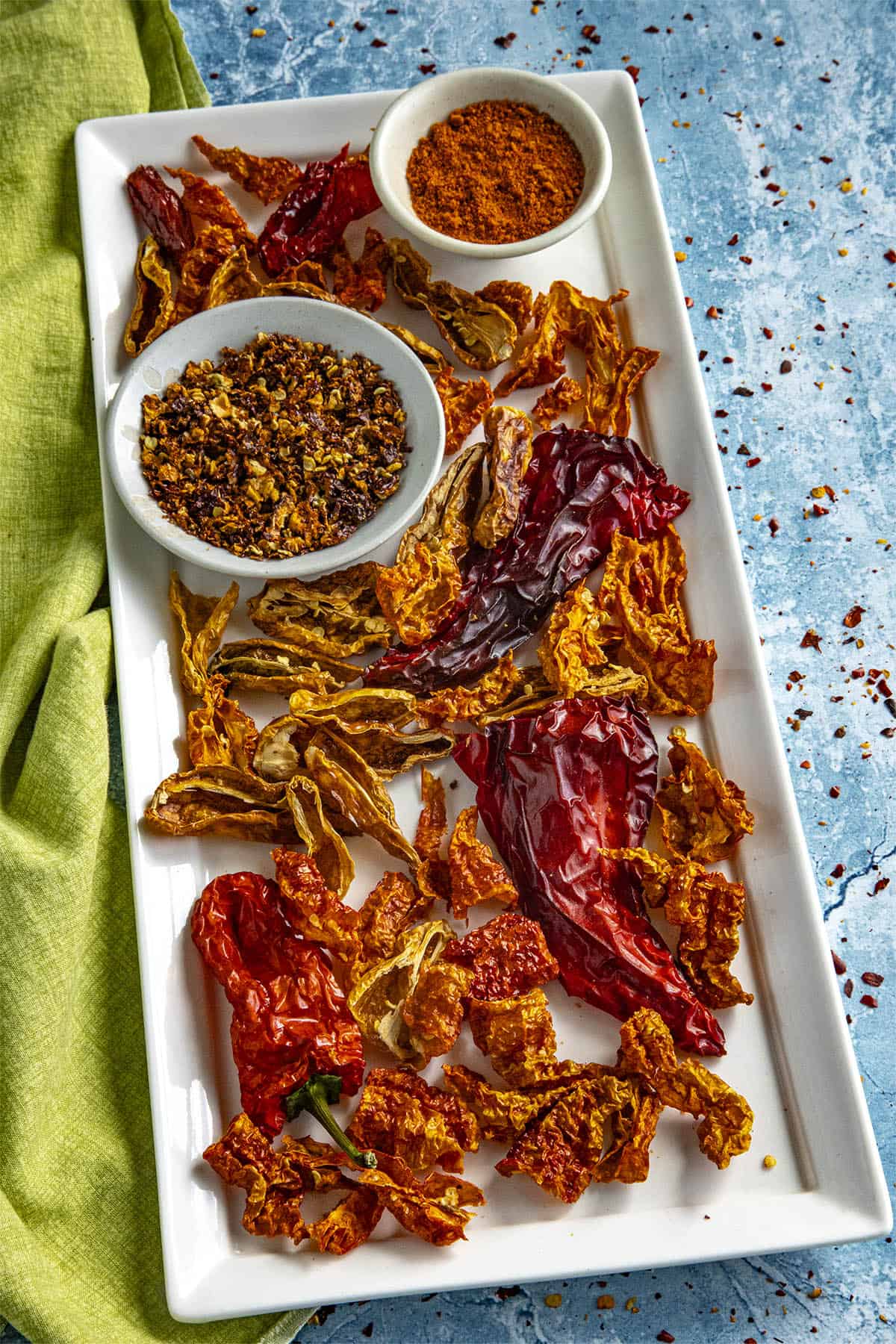
Fresh peppers are mostly water. Smoking gently removes that water over time.
What dehydration does
-
Concentrates sugars
-
Intensifies capsaicin
-
Densifies aroma compounds
-
Thickens texture when rehydrated or blended
Result:
A smoked pepper tastes richer and heavier, even if no sugar or fat is added.
Why smoked peppers feel hotter (even at the same SHU)
Capsaicin doesn’t evaporate — water does.
So as moisture drops:
-
Capsaicin becomes more concentrated
-
Heat lingers longer
-
Burn feels deeper and slower
This is why smoked peppers often feel hotter than fresh ones, even though the SHU number hasn’t changed.
2. Smoke Absorption: The Flavor Shift Most People Miss
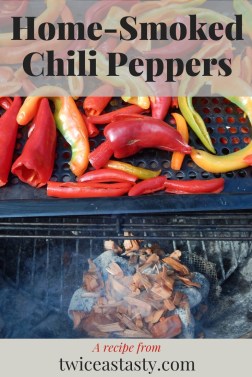
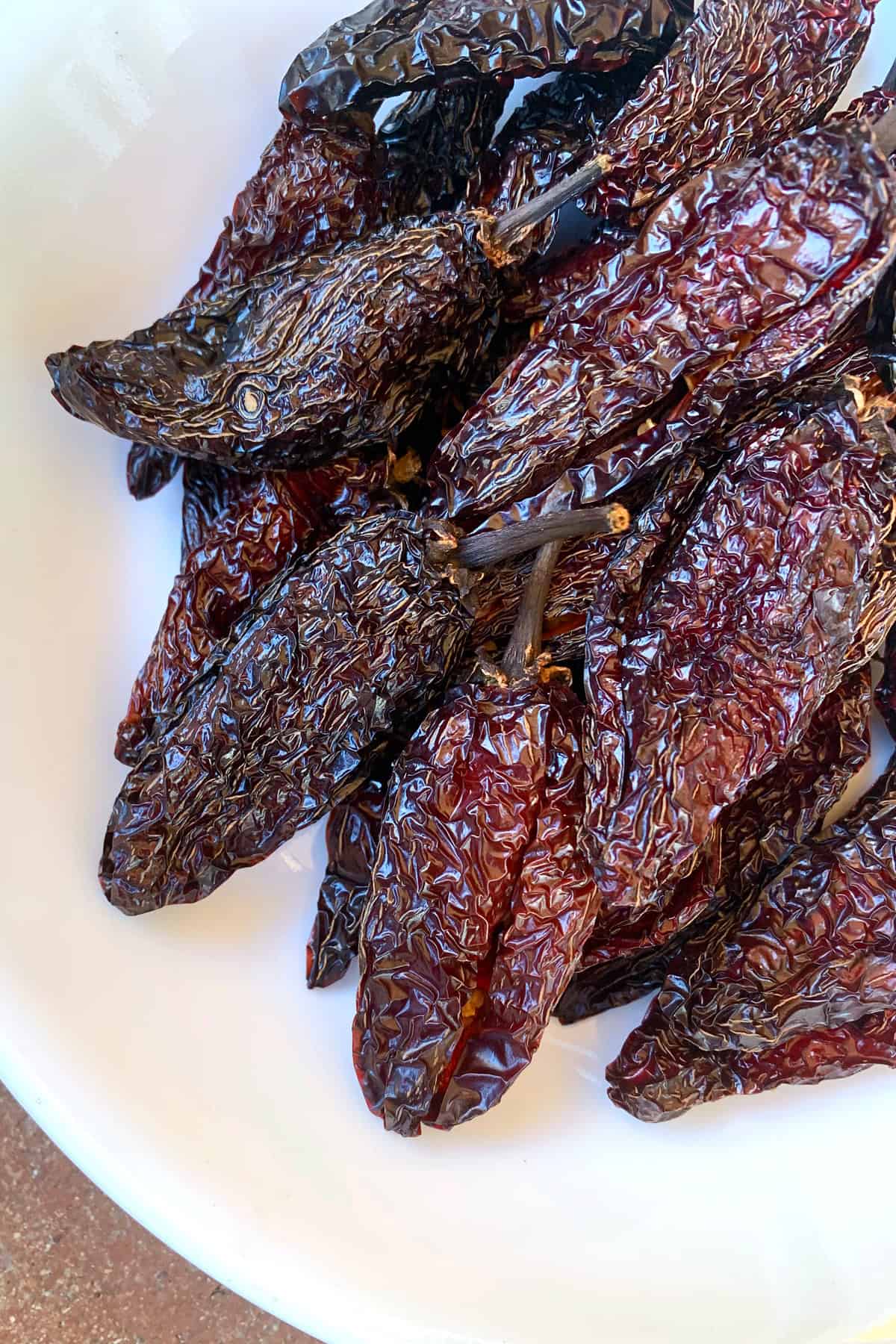

Smoke isn’t one flavor. It’s a complex mix of aromatic compounds, including:
-
Phenols (smoky, medicinal)
-
Aldehydes (sweet, woody)
-
Ketones (buttery, caramel-like)
-
Organic acids (tangy, sharp)
Peppers are uniquely good at absorbing these compounds because:
-
Their skins are thin
-
Their oils bind smoke molecules
-
Capsaicin carries aroma deep into the palate
What smoke replaces
Smoking suppresses brightness and replaces it with:
-
Earthiness
-
Bitterness (in small amounts)
-
Sweet depth
-
Savory “bass notes”
That’s why smoked peppers:
-
Lose grassy or fruity sharpness
-
Gain BBQ-friendly character
-
Feel more “meaty” and savory
3. Sugar Transformation: Why Smoked Peppers Taste Sweeter (Without Sugar)
Even though smoking doesn’t caramelize sugars the way high heat does, it changes how sugars are perceived.
What’s happening
-
Dehydration increases sugar concentration
-
Smoke compounds trigger sweetness perception
-
Bitterness balances sharp heat
Net effect:
Smoked peppers often taste rounder and slightly sweet, even when no sugar is present.
This is why:
-
Chipotle tastes sweeter than fresh jalapeño
-
Smoked ghost pepper has molasses-like depth
-
Smoked paprika tastes rich without being sugary
4. Heat Behavior Changes (The Most Important Difference)
Fresh pepper heat and smoked pepper heat are not the same experience.
Fresh pepper heat
-
Fast onset
-
Sharp peak
-
Shorter duration
Smoked pepper heat
-
Slower onset
-
Lower perceived peak
-
Much longer linger
This matters for food pairing.
Smoked heat:
-
Feels warmer
-
Builds with each bite
-
Doesn’t shock the palate
That’s why smoked peppers work so well in:
-
BBQ
-
Braises
-
Chili
-
Long-cooked sauces
How Smoking Changes Different Pepper Types
Not all peppers smoke equally well.
🟢 Green peppers (jalapeño, serrano, poblano)
-
Lose grassy notes
-
Gain savory depth
-
Can turn bitter if over-smoked
Best outcome: Chipotle (smoked jalapeño)
Risk: Ashy bitterness if smoked too hot
🔴 Red peppers (Fresno, cayenne, habanero)
-
Sweetness becomes more pronounced
-
Heat smooths out
-
Color darkens
Best outcome: Smoked Fresno, smoked cayenne
Use case: Red sauces, garlic sauces, rubs
☠️ Superhots (ghost, scorpion, reaper)
-
Fruitiness collapses
-
Smoke dominates
-
Heat lingers dramatically
Best outcome: Accent use only
Common mistake: Using them as a base
Smoked superhots are power tools, not everyday ingredients.
Wood Choice Matters More Than Pepper Choice
Different woods change the final flavor as much as the pepper itself.
| Wood | Flavor Effect | Best Peppers |
|---|---|---|
| Apple | Mild, sweet | Jalapeño, Fresno |
| Cherry | Slightly fruity | Habanero |
| Hickory | Strong, classic | Cayenne, ghost |
| Oak | Clean, balanced | Most peppers |
| Mesquite | Intense, bitter | Use sparingly |
Rule of thumb:
The hotter the pepper, the milder the wood should be.
Fresh vs Smoked vs Smoked-Then-Dried
These are three different ingredients.
Fresh pepper
-
Bright
-
Sharp
-
Acid-friendly
Smoked (still moist)
-
Savory
-
Soft heat
-
Best for sauces and mashes
Smoked + dried
-
Concentrated
-
Shelf-stable
-
Ideal for powders and rubs
Chipotle is smoked and dried — that’s why it’s so potent.
How Smoking Changes Sauce Behavior
Smoking affects more than flavor — it changes structure.
In sauces, smoked peppers:
-
Thicken more naturally
-
Reduce need for sugar
-
Pair better with fat
-
Clash with high vinegar
Key insight:
Smoked peppers prefer fat and sweetness, not sharp acid.
That’s why they shine in:
-
BBQ sauce
-
Chili oil
-
Garlic sauces
-
Tomato-based sauces
And struggle in:
-
Thin vinegar sauces
-
Bright green sauces
-
Citrus-heavy blends
Common Smoking Mistakes (And How to Avoid Them)
❌ Smoking too hot
✔ Keep temps low (160–200°F)
❌ Over-smoking
✔ Less smoke, longer time
❌ Using aggressive wood
✔ Match wood to pepper heat
❌ Treating smoked peppers like fresh
✔ Adjust acid, sugar, and ratios
❌ Using smoked superhots as a base
✔ Always blend with milder peppers
When You Shouldn’t Smoke a Pepper
Smoking is not always the answer.
Avoid smoking if you want:
-
Bright citrus flavor
-
Fresh green sauces
-
Tropical fruit dominance
-
Sharp vinegar punch
Smoke adds gravity. Some dishes need lift instead.
Why Smoked Peppers Feel “Comforting”
There’s a psychological component, too.
Smoke signals:
-
Cooked food
-
Fire and warmth
-
Slow preparation
-
Savory depth
That’s why smoked peppers feel:
-
Familiar
-
Hearty
-
Satisfying
They turn spice into comfort, not challenge.
Final Takeaway
Smoking a pepper doesn’t just add smoke.
It:
-
Concentrates heat
-
Suppresses brightness
-
Deepens sweetness
-
Extends the finish
-
Changes how food feels over time
If you remember one thing:
Fresh peppers shout. Smoked peppers hum.
Use smoked peppers when you want depth, warmth, and memory — not flash.
Try our Hot Sauce Line


