


Ever wondered what actually makes hot sauce spicy? It’s not the vinegar. It’s not the peppers themselves. And it’s definitely not “heat” in the temperature sense. The burning sensation you feel when eating hot sauce comes down to one powerful compound and how your body reacts to it.
In this guide, we’ll explain what makes hot sauce spicy, how spice is measured, why different sauces feel hotter than others, and how ingredients like fat, acid, and sugar change the experience.

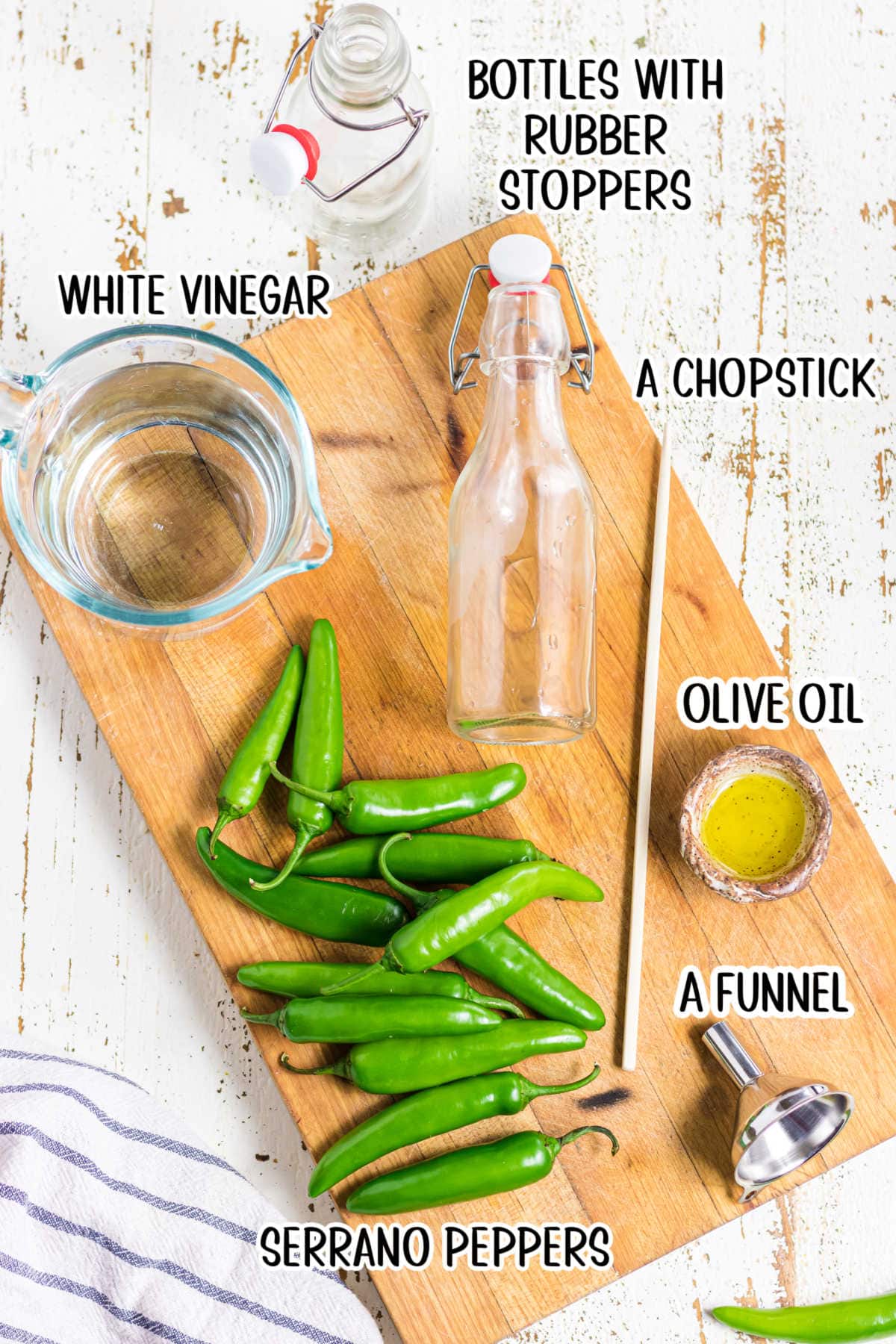

The Real Source of Spice: Capsaicin
The compound responsible for spiciness in hot sauce is capsaicin.
Capsaicin is a natural chemical found in chili peppers that:
-
Triggers pain receptors (not taste buds)
-
Mimics the sensation of heat
-
Causes the burning, tingling feeling associated with spicy food
🌶️ Important: Capsaicin doesn’t actually burn you — it tricks your brain into thinking you’re experiencing heat.
Where Capsaicin Lives in Peppers
Contrary to popular belief, capsaicin is not in the seeds.
It’s concentrated in:
-
The placenta (the white membrane inside the pepper)
-
The inner ribs of the pepper
The seeds absorb capsaicin by contact, which is why they seem spicy — but removing seeds alone doesn’t significantly reduce heat.
How Capsaicin Affects Your Body
Capsaicin activates TRPV1 receptors, which are designed to detect:
-
Heat
-
Physical abrasion
-
Chemical irritation
When these receptors fire, your brain interprets it as burning, even though no damage is occurring.
Common reactions include:
-
Sweating
-
Increased heart rate
-
Endorphin release
-
Runny nose
-
“Spice high”
🔥 This endorphin rush is why many people crave spicy food.
Why Some Hot Sauces Feel Hotter Than Others
Two hot sauces can have similar Scoville ratings but feel completely different. That’s because perceived heat depends on more than just capsaicin.
Factors That Increase Perceived Heat:
-
High acidity (vinegar-heavy sauces)
-
Low fat content
-
Thin, watery texture
-
Fast-hitting peppers (like ghost pepper)
Factors That Reduce Perceived Heat:
-
Fat (butter, oil, dairy)
-
Sugar or fruit
-
Thicker sauces
-
Fermentation
🔥 Example: A creamy habanero sauce may feel milder than a thin cayenne sauce — even if it contains more capsaicin.
What Peppers Make Hot Sauce Spicy?
Different peppers contain different capsaicin levels and flavor profiles.
Common Hot Sauce Peppers (By Heat)
-
Jalapeño: Mild heat, fresh flavor
-
Serrano: Mild–medium, clean bite
-
Habanero: Hot, fruity, citrusy
-
Ghost Pepper: Very hot, smoky
-
Carolina Reaper: Extremely hot, sweet
The hotter the pepper, the more capsaicin it contains — but flavor matters just as much as heat.
How the Scoville Scale Measures Spiciness
Spiciness is measured using the Scoville Scale, which assigns Scoville Heat Units (SHU) based on capsaicin concentration.
-
Bell pepper: 0 SHU
-
Jalapeño: 2,500–8,000 SHU
-
Habanero: 100,000–350,000 SHU
-
Ghost pepper: ~1,000,000 SHU
-
Carolina Reaper: 2,200,000+ SHU
Modern testing uses lab analysis rather than taste testing, making Scoville ratings far more accurate today.
Why Vinegar Doesn’t Make Hot Sauce Spicy
Vinegar adds sharpness, not spice.
However, vinegar can:
-
Intensify the perception of heat
-
Make sauces feel more aggressive
-
Highlight capsaicin burn
🔥 That’s why vinegar-heavy sauces often feel hotter than they really are.
Why Milk Helps but Water Doesn’t
Capsaicin is fat-soluble, not water-soluble.
This means:
-
Water spreads capsaicin around your mouth
-
Milk, butter, or yogurt dissolve it
🥛 Best spice relief: Dairy, fats, or starchy foods — not water.
Does Cooking Reduce Spiciness?
Yes — usually.
Cooking:
-
Breaks down capsaicin slightly
-
Distributes heat more evenly
-
Softens sharp edges
That’s why spicy stews and sauces often taste hotter the next day — flavors integrate, but capsaicin remains.
Natural vs Extract-Based Heat
Natural Pepper Heat
-
Comes from real peppers
-
Balanced with flavor
-
Builds gradually
Capsaicin Extract Heat
-
Extremely concentrated
-
Sharp, chemical burn
-
Little to no flavor
🔥 Most craft hot sauces avoid extracts because they sacrifice taste for shock value.
Frequently Asked Questions (FAQ)
Is spiciness a taste or a feeling?
It’s a sensation, not a taste — triggered by pain receptors.
Can you build tolerance to spicy food?
Yes. Regular exposure reduces receptor sensitivity.
Why do some people love spicy food?
Endorphins, adrenaline, and flavor complexity.
Is capsaicin dangerous?
In normal food amounts, it’s safe for most people.
Final Thoughts
Hot sauce is spicy because of capsaicin, but the experience of spice depends on balance. Ingredients like fat, acid, sweetness, and fermentation shape how heat hits — and whether it’s enjoyable or overwhelming.
Understanding what makes hot sauce spicy helps you choose (or create) sauces that deliver flavor first, heat second — the mark of truly great hot sauce 🌶️🔥


